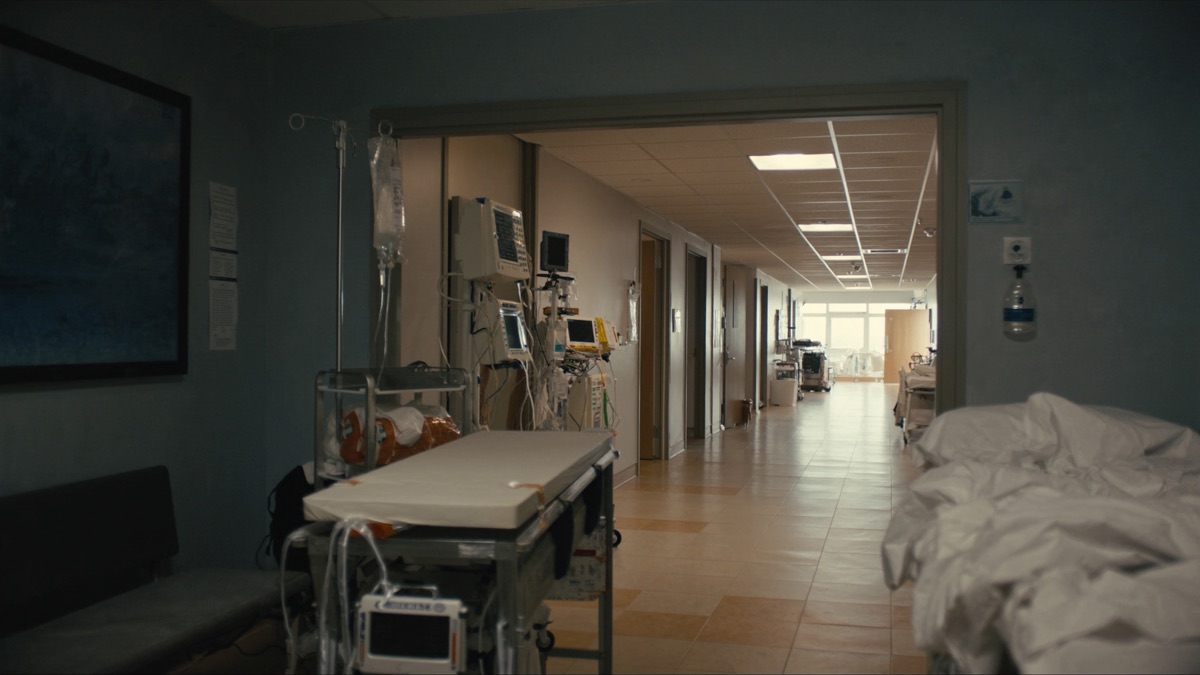
A defibrillator does not actually restart a heart that has stopped beating entirely; instead, it delivers a brief, powerful electric shock to a heart caught in a chaotic, disorganized rhythm, momentarily stopping all electrical activity at once so the heart's natural pacemaker cells get a chance to resume a normal beat. This distinction matters enormously in emergency medicine: defibrillation only works on specific dangerous rhythms, not on a heart that has gone completely flat, which is why the dramatic "clear!" moment shown in television dramas is only ever useful for certain kinds of cardiac emergencies.
Why a Heart in Fibrillation Cannot Pump Blood
A healthy heart contracts in a coordinated wave, with muscle fibers squeezing in careful sequence to push blood forward efficiently. During ventricular fibrillation, the heart's electrical signals become chaotic, causing individual muscle fibers to twitch randomly and independently rather than contracting together, so the heart quivers uselessly instead of pumping.
Without coordinated pumping, blood flow to the brain and vital organs stops almost immediately, and permanent brain damage can begin within just a few minutes, which is why every second between the onset of fibrillation and a defibrillating shock dramatically affects a patient's chances of survival.
How the Electric Shock Actually Resets the Heart's Rhythm
The defibrillator's shock passes a strong, brief burst of electrical current through the entire heart muscle simultaneously, forcing every muscle fiber to contract and then relax together at the exact same instant, essentially interrupting the chaotic electrical chaos entirely rather than trying to correct it directly.
With all the fibers reset to the same electrical state at once, the heart's natural pacemaker, a small cluster of specialized cells called the sinoatrial node, gets a clean opportunity to take back control and generate a normal, coordinated heartbeat, provided the underlying heart muscle is still healthy enough to respond.
Why Not Every Cardiac Arrest Rhythm Can Be Shocked
Defibrillation only works on two specific dangerous rhythms: ventricular fibrillation and pulseless ventricular tachycardia, both of which involve chaotic or dangerously fast electrical activity that a shock can interrupt. A heart that has stopped generating any electrical activity at all, a state called asystole, or flatline, cannot be helped by a shock at all.
For asystole and certain other non-shockable rhythms, chest compressions and medications like epinephrine are the only tools available to try to restart organized electrical activity, which is why automated external defibrillators are programmed to analyze the heart's rhythm first and refuse to deliver a shock if the rhythm is not one that a shock can actually fix.
How an Automated External Defibrillator Decides When to Shock
An automated external defibrillator, or AED, uses adhesive pads placed on the patient's chest to continuously record the heart's electrical activity, then runs that signal through a built-in algorithm trained to distinguish shockable chaotic rhythms from non-shockable ones, including a normal heartbeat that should never be shocked at all.
This algorithm is deliberately conservative, designed to avoid delivering an unnecessary or dangerous shock, and the device gives clear voice instructions guiding even an untrained bystander through the entire process, only allowing a shock to be delivered once its analysis confirms a genuinely shockable rhythm is present.
Why AEDs Are Now Common in Public Places
Survival rates for sudden cardiac arrest drop by roughly ten percent for every minute that passes without defibrillation, and ambulance response times often exceed that critical window, so public health authorities have pushed to place AEDs in airports, malls, gyms, schools, and offices where bystanders can use them immediately.
Because AEDs are designed to be usable by untrained members of the public with only voice guidance, studies have consistently shown that bystander defibrillation before paramedics arrive significantly improves survival outcomes, turning ordinary people into the first and most critical link in the emergency cardiac response chain.
How Much Electrical Energy a Defibrillator Actually Delivers
A typical external defibrillator shock delivers somewhere between one hundred fifty and three hundred sixty joules of energy, a substantial but carefully calibrated amount chosen to be strong enough to depolarize the entire heart muscle simultaneously without causing excessive tissue or thermal damage to the heart itself.
Modern devices use a biphasic waveform, meaning the current flows in one direction and then reverses, which research has shown is more effective at terminating dangerous rhythms at lower total energy levels than the older monophasic waveform devices, reducing the risk of skin burns and heart tissue damage.
Why Defibrillator Pads Are Placed in Specific Positions
Standard pad placement puts one pad on the upper right side of the chest, near the collarbone, and the other on the lower left side, below the armpit, a configuration chosen so the electrical current travels through the greatest possible mass of heart tissue on its path between the two pads.
Correct placement matters because current that skips over the heart rather than passing directly through it is far less likely to successfully terminate a dangerous rhythm, which is why AED pads are printed with clear diagrams and why training emphasizes proper positioning even under the stress of a real emergency.
How CPR and Defibrillation Actually Work Together
Chest compressions cannot restart a normal heart rhythm on their own, but they manually circulate a small amount of oxygenated blood to the brain and heart muscle, keeping tissue alive long enough for a defibrillator to arrive and for the shock to have a meaningful chance of success.
Emergency protocols call for compressions to continue right up until the moment a shock is delivered and to resume immediately afterward, since a single shock rarely restores an effective heartbeat instantly, and the combination of sustained compressions with a well-timed shock produces far better survival outcomes than either intervention delivered alone.
Why a Patient's Chest Sometimes Jolts Visibly During a Shock
The dramatic muscle jolt seen in movies and occasionally in real defibrillation happens because the electrical current passing through the chest also stimulates the large skeletal muscles overlying the ribcage, causing them to contract sharply and briefly at the exact moment of the shock, entirely separate from the heart itself.
This visible reaction is a side effect rather than the mechanism of treatment, and modern hospital defibrillators often deliver the shock in a way that minimizes unnecessary muscle stimulation, though some jolt is generally unavoidable given the amount of current required to reach and affect the heart muscle.
How an Implantable Defibrillator Works Inside the Body
Patients at high risk of recurring dangerous arrhythmias can receive a surgically implanted device called an implantable cardioverter-defibrillator, or ICD, roughly the size of a small stopwatch, placed under the skin near the collarbone with wire leads threaded directly into the heart to continuously monitor its rhythm.
When the ICD detects a dangerous rhythm, it can deliver a small internal shock within seconds, far faster than waiting for an external defibrillator to arrive, and many devices also attempt gentler pacing therapy first for certain rhythms before escalating to a full shock, giving patients round-the-clock protection wherever they go.
Why Wet Skin or Metal Jewelry Can Complicate a Shock
Water and sweat conduct electricity well, so a wet chest can cause the shock's current to spread across the skin's surface rather than concentrating through the chest into the heart, reducing the shock's effectiveness, which is why rescuers are trained to quickly dry a patient's chest before applying defibrillator pads.
Metal jewelry or medication patches positioned directly under a pad can similarly redirect current or, in rare cases, cause localized burns, so standard protocol calls for removing jewelry and any transdermal patches from the chest area and repositioning pads to avoid direct contact with metal objects before shocking.
How Defibrillators Are Tested and Maintained While Sitting Idle
Public AEDs sit unused for months or years at a time yet must work perfectly on the rare occasion they are needed, so most models run automatic self-diagnostic checks daily or weekly, testing battery charge, pad connectivity, and internal circuitry, displaying a simple visual indicator that confirms the device is ready.
Facilities responsible for maintaining public AEDs are typically required to log regular manual inspections and replace batteries and pads before their expiration dates even if the device has never been used, since a defibrillator that fails its self-test or has expired components during an actual cardiac arrest can cost a life.
Why Defibrillation Success Depends Heavily on Timing
The chance of successfully converting a shockable rhythm back to a normal heartbeat declines rapidly with every passing minute, since the heart muscle itself becomes progressively more oxygen-starved and less responsive to electrical correction the longer fibrillation continues without intervention.
This is why emergency medical systems track a metric called time to first shock as one of the most important predictors of cardiac arrest survival, and why community programs that place AEDs within a few minutes' reach of high-traffic public areas have measurably improved survival rates compared to areas without them.
How a Defibrillator Differs From a Pacemaker
A pacemaker delivers small, gentle, continuous electrical pulses to keep a heart beating at a steady, healthy rate when its natural rhythm is too slow or irregular, while a defibrillator delivers a single large shock only in response to a specific, dangerous chaotic rhythm, an entirely different function despite both devices using electrical stimulation of the heart.
Many modern implantable devices actually combine both functions in one unit, continuously pacing the heart when needed for a slow rhythm and standing ready to deliver a defibrillating shock instantly if a dangerous fibrillation event is detected, giving patients comprehensive protection from a range of different rhythm problems.
Why Defibrillators Were Once Only Found in Hospitals
Early defibrillators were large, complex machines that required trained medical personnel to interpret heart rhythms manually and operate the device correctly, confining their use to hospital emergency rooms and operating theaters where cardiologists and nurses were immediately available to make quick, informed decisions under pressure.
The development of automated rhythm-analysis algorithms in the late twentieth century transformed defibrillators from complex specialist tools into devices simple and safe enough for minimally trained laypeople to operate, a shift that directly enabled the widespread public placement of AEDs seen in airports, offices, and stadiums today.
How Rescuers Are Trained to Use a Defibrillator Safely
Basic AED and CPR certification courses teach rescuers to check for responsiveness and breathing, call for emergency help, begin chest compressions immediately, and apply defibrillator pads as soon as the device is available, all while emphasizing the critical safety step of ensuring no one is touching the patient at the moment a shock is delivered.
This safety step exists because the same electrical current that can reset a chaotic heart rhythm can also pass through anyone in physical contact with the patient during the shock, so trained rescuers are taught to visually confirm the area is clear and announce it loudly before pressing the shock button.
How Paramedics Decide Between Different Shock Energy Levels
Emergency protocols specify a starting energy level for the first shock and often call for stepping up the energy on subsequent shocks if the initial one fails to convert the rhythm, based on manufacturer guidance and clinical evidence about what balances effectiveness against unnecessary tissue stress for a given device's waveform.
Pediatric patients require dramatically lower energy levels scaled to body weight, and many modern AEDs include a pediatric mode or child-specific pads that automatically reduce the delivered energy, since a shock calibrated for an adult heart could cause serious harm if delivered at full adult energy to a small child.
Why Some People Survive Cardiac Arrest Without Any Brain Damage
The brain can tolerate only a few minutes without adequate blood flow before cellular damage begins, so survivors without lasting neurological injury are almost always people who received effective chest compressions and a well-timed shock within that critical early window, often thanks to a bystander or an easily accessible AED.
Post-resuscitation care also plays a major role, since many hospitals now use targeted temperature management, deliberately cooling a resuscitated patient's body for a period, to reduce brain inflammation and further limit neurological damage after blood flow has been restored following a successful defibrillation.
How Defibrillator Technology Has Shrunk Over the Decades
The earliest external defibrillators, developed in the mid-twentieth century, were bulky machines wheeled between hospital rooms, requiring direct paddle contact with a patient's bare chest and manual interpretation of a rhythm strip by a physician before every shock, limiting their use to well-equipped hospital settings.
Advances in battery technology, microprocessors, and adhesive pad design have shrunk defibrillators down to devices small enough to carry in a backpack or mount on a wall, a transformation that runs parallel to the broader miniaturization trend seen across nearly all portable medical electronics over the same period.
Why Good Samaritan Laws Encourage Bystanders to Act
Many countries and states have enacted Good Samaritan laws that protect bystanders from legal liability if they act in good faith to help someone in a medical emergency, including using a public AED, specifically to remove the fear of being sued as a barrier to people stepping in during a cardiac emergency.
Public health campaigns emphasize that hesitating out of fear of causing harm is generally far more dangerous than attempting CPR or using an AED, since a device that determines no shock is needed simply will not deliver one, and untrained bystanders following the device's voice prompts rarely cause additional injury.
Sources
- Wikipedia — defibrillation mechanism and clinical use
- American Heart Association — CPR and cardiac arrest survival guidelines
- Wikipedia — AED design and public placement
FAQ
Does a defibrillator restart a heart that has completely stopped?
No; it only works on chaotic rhythms like ventricular fibrillation. A fully flatlined heart, called asystole, cannot be helped by a shock at all.
How does the shock actually help the heart beat normally again?
It momentarily stops all electrical activity in the heart at once, giving the heart's natural pacemaker cells a clean chance to resume a coordinated, normal rhythm.
How does an AED know when it is safe to deliver a shock?
It analyzes the heart's electrical rhythm through chest pads using a built-in algorithm and only allows a shock when a genuinely shockable rhythm is detected.
Why has bystander CPR and AED use become so widely encouraged?
Survival drops roughly ten percent per minute without defibrillation, and bystanders can often act far faster than an arriving ambulance, meaningfully improving survival odds.
How much energy does a typical defibrillator shock deliver?
Usually between one hundred fifty and three hundred sixty joules, carefully calibrated to reset the heart's electrical activity without causing excessive tissue damage.
Why are defibrillator pads placed in specific chest positions?
The standard positions ensure the current travels through the greatest possible mass of heart tissue between the two pads, maximizing the shock's effectiveness.
Why do chest compressions matter if defibrillation is what fixes the rhythm?
Compressions manually circulate oxygenated blood to keep tissue alive until a shock can be delivered, since a shock alone rarely restores an effective heartbeat instantly.
What is an implantable cardioverter-defibrillator?
A surgically implanted device that continuously monitors heart rhythm and delivers an internal shock within seconds if it detects a dangerous chaotic rhythm.
Can wet skin affect how well a defibrillator shock works?
Yes; water conducts electricity across the skin's surface rather than concentrating current into the heart, which is why rescuers dry a patient's chest before applying pads.
How is a defibrillator different from a pacemaker?
A pacemaker delivers small continuous pulses to keep a slow heart beating steadily, while a defibrillator delivers one large shock only for a dangerous chaotic rhythm.
Why do public AEDs need regular self-testing even when never used?
They may sit idle for years yet must work perfectly in a rare emergency, so they run automatic checks on battery and circuitry to confirm readiness.
Why must everyone avoid touching the patient during a shock?
The same current that resets the heart's rhythm can pass through anyone in physical contact with the patient, so rescuers confirm the area is clear first.
Why were defibrillators once found only in hospitals?
Early devices required trained staff to manually interpret heart rhythms, until automated rhythm-analysis algorithms made them simple and safe enough for the public to use.
Does timing really make a big difference in defibrillation success?
Yes; the chance of success declines rapidly each minute, since the heart muscle becomes progressively less responsive to electrical correction the longer fibrillation continues untreated.
Do Good Samaritan laws protect bystanders who use a public AED?
In most places, yes; these laws shield anyone acting in good faith during a medical emergency from legal liability, specifically to encourage bystanders to act without fear.
About the Author
We reference Wikipedia and other authoritative sources to explain the background and current understanding of this topic.
Loved This Article?
Share it on WhatsApp → Share it on WhatsApp
Get more guides in your inbox — Subscribe to our newsletter for weekly surprising stories from Egypt, Saudi Arabia, Dubai, and beyond.