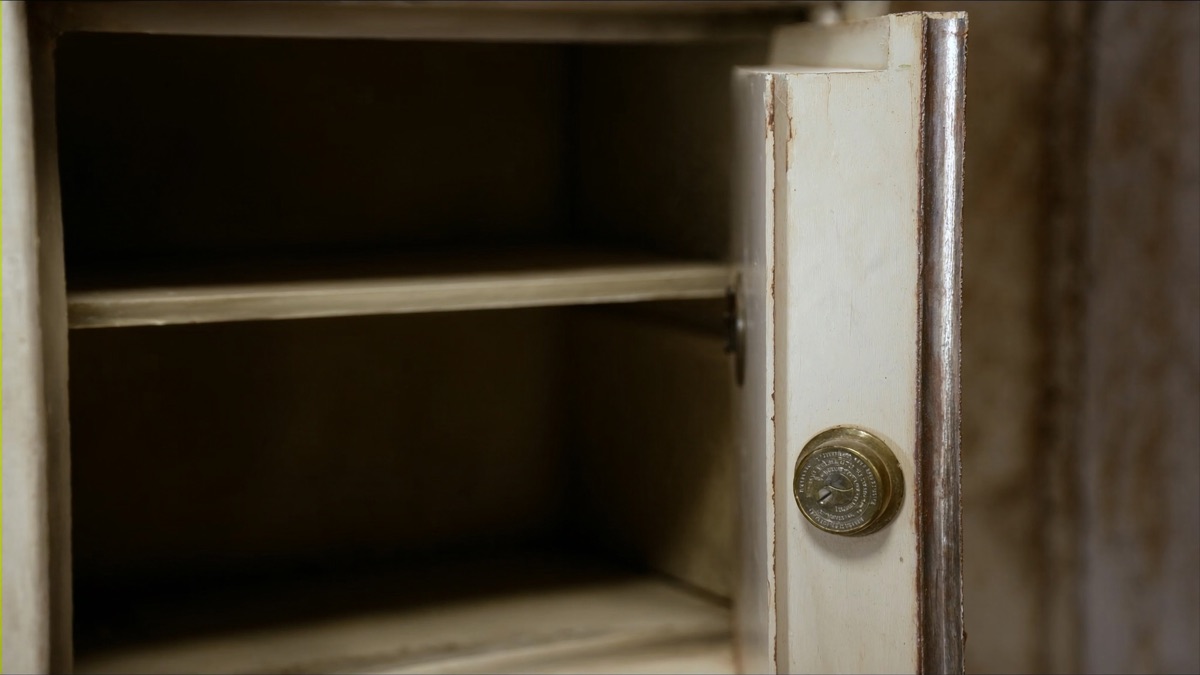
A standard pin tumbler lock, the most common lock mechanism in doors worldwide, works by using a set of spring-loaded pin pairs cut to different heights inside the lock body, and the correct key is simply the one physical shape that pushes every single pin pair to exactly the right height at once, letting an inner cylinder called the plug rotate freely. Every other incorrect key shape leaves at least one pin pair misaligned, and that single misaligned pin is enough to physically block the plug from turning at all.
Why a Standard Pin Tumbler Lock Depends on Tiny Height Differences
Inside the lock body sit multiple parallel pin stacks, each consisting of a bottom pin resting against the key and a top driver pin above it, pushed downward by a small coiled spring, with the boundary between the bottom and top pin in each stack needing to align exactly with the edge between the rotating plug and the fixed housing around it.
A correctly cut key raises each bottom pin to a precise height so that every single pin-pair boundary lines up exactly at what locksmiths call the shear line, and only when every pin in the entire lock reaches that shear line simultaneously can the plug rotate freely to retract the bolt.
How Key Cutting Actually Encodes the Correct Pin Heights
A key blank is cut with a series of ridges and valleys along its blade, and the depth of each individual cut corresponds directly to how far it needs to push a specific bottom pin upward inside the lock, meaning the key's physical shape is essentially a printed record of the exact pin heights that particular lock requires.
Locksmiths use a numeric code system, typically a sequence of digits each representing one cut's specific depth, to record, communicate, and precisely reproduce a given key's cuts, which is also how a locksmith can cut a replacement key directly from a code without needing the original key physically present.
Why Picking a Lock Exploits Tiny Manufacturing Tolerances
Lock picking works because no lock is manufactured with mathematically perfect precision; the pin chambers inside the plug are drilled with microscopic manufacturing variance, meaning one particular pin chamber always binds slightly tighter against the plug than the others when rotational tension is applied.
A lock picker applies gentle rotational pressure to the plug with a tension wrench while individually pushing each pin to its shear line with a pick, and because of that binding order, pins can typically be set one at a time in sequence rather than needing to be lifted all simultaneously by chance.
How Security Pins Were Specifically Designed to Defeat Picking
Standard security pins, like spool pins and serrated pins, are cut with an irregular shape rather than a simple cylinder, specifically so that when a lock picker pushes one to a false, incorrect shear-line position, the plug appears to rotate very slightly before catching and stopping again, a deceptive false feedback signal called a false set.
This false set forces a lock picker to recognize the deception and deliberately push the pin back down and retry rather than assuming a satisfying click means success, meaningfully increasing the skill and time required to pick a lock equipped with these security pin designs compared to standard smooth pins.
Why Master Key Systems Allow Multiple Different Keys to Work
A master key system deliberately adds an extra pin segment, splitting what would normally be a single bottom pin into two smaller pieces stacked together, creating a second valid shear-line position partway up the pin stack in addition to the lock's own individual change key position.
This design lets a building have dozens or even hundreds of individual doors, each opened by its own unique change key, while a single master key cut to hit every lock's secondary shear-line position simultaneously can open every one of those doors, a hierarchy that can be layered into sub-master and grand-master tiers for large institutions.
How Wafer Locks Differ Structurally From Pin Tumbler Locks
Wafer locks, commonly found in cabinet locks, car doors, and desk drawers, use flat, disc-shaped wafers instead of cylindrical pin stacks, with each wafer having a notch cut at a specific height that must align with the shear line the same way a pin tumbler's pin-pair boundary does.
Wafer lock mechanisms are generally simpler, smaller, and cheaper to manufacture than full pin tumbler locks, making them well-suited to lower-security applications, but that same structural simplicity also makes wafer locks noticeably easier to pick or bypass than a comparable pin tumbler design.
Why Disc Detainer Locks Are Considered More Pick-Resistant
Disc detainer locks use a stack of rotating discs, each with a notch positioned at a different rotational angle rather than a different linear height, and the correct key must simultaneously rotate every single disc to precisely align all of their notches into one continuous channel that a sidebar can then drop into.
This rotational rather than linear mechanism removes the individual, sequential binding-order feedback that lock pickers exploit on pin tumbler locks, since manipulating one disc's rotational angle provides far less useful tactile information about the correct angle of every other disc in the stack.
How Electronic Keypad Locks Replace Mechanical Pins With Circuitry
Electronic keypad locks verify a numeric code entered on a keypad against a code stored in the lock's internal memory, then trigger a small electric motor or solenoid to physically retract the bolt only when the entered code matches, eliminating physical key cutting entirely in favor of a code that can be instantly changed without any hardware modification.
Because changing the access code requires no physical rekeying at all, many commercial and rental properties favor electronic keypad or smart locks specifically for the ability to instantly revoke a previous occupant's access after they move out, rather than needing to physically replace lock cylinders.
Why Smart Locks Add Wireless Connectivity on Top of Electronic Access
Smart locks extend basic electronic keypad functionality with wireless connectivity, commonly Bluetooth or Wi-Fi, letting the lock communicate with a smartphone app to grant remote access, generate temporary time-limited codes for guests or service providers, and log a detailed history of exactly when the lock was opened and by which credential.
This connectivity does introduce a new potential attack surface that purely mechanical locks never had, namely software vulnerabilities or wireless signal interception, which is why security researchers evaluate smart locks against both traditional mechanical bypass techniques and modern cybersecurity threat models simultaneously.
How Bump Keys Exploit the Same Binding Physics as Lock Picking
A bump key is a specially cut key with all its cuts filed down to the maximum possible depth, inserted one notch short of fully seated in the lock, then struck sharply with a small tool while slight rotational tension is applied, transferring a sudden physical impact through the key into every bottom pin at once.
That impact briefly launches each bottom pin upward past the shear line in a tiny fraction of a second, and if rotational tension is applied at exactly the right moment during that brief window, the driver pins can be caught above the shear line long enough for the plug to rotate, all without needing to individually manipulate a single pin the way traditional picking does.
Why Anti-Bump Pins Were Developed as a Direct Countermeasure
Anti-bump pin designs use spring-loaded or specially weighted internal components engineered specifically to resist the sudden impulse transfer that a bump key relies on, either by adding extra mass that resists rapid acceleration or by using a spring rate tuned to dampen a sudden impact differently than the slow, deliberate pressure of a legitimate key insertion.
These anti-bump countermeasures exist as a direct response to bump keying becoming widely publicized and accessible, illustrating how lock security has historically evolved through this same repeated cycle: a bypass technique becomes known, and lock manufacturers engineer a specific mechanical countermeasure targeting exactly that technique.
How High-Security Locks Combine Multiple Defensive Features at Once
High-security lock cylinders typically combine several defensive features simultaneously rather than relying on just one, commonly pairing security pins that create false sets, hardened steel inserts that resist physical drilling attacks, and patented, restricted key blank shapes that require manufacturer authorization before any locksmith can legally cut a duplicate.
That restricted key control component matters as much as the mechanical pick-resistance itself, since a lock is only as secure as its ability to prevent unauthorized key duplication, and a patent on the key blank's cross-sectional shape can legally prevent competing manufacturers from producing compatible blanks for a set period.
Why Padlocks Face Different Structural Attack Vectors Than Door Locks
A padlock's external shackle, unlike an internally mounted door lock cylinder, is physically exposed and accessible from outside the locking mechanism itself, making padlocks vulnerable to attacks that a recessed door lock never has to withstand, like bolt cutters, shims worked directly between the shackle and body, or simple brute-force shackle prying.
Higher-security padlocks counter this exposure with hardened boron-alloy steel shackles resistant to cutting, close shackle designs that minimize the exposed gap available for shim insertion, and double-locking mechanisms that engage the shackle at both its heel and toe rather than just one side.
How Combination Locks Use Mechanical Logic Instead of a Physical Key
A mechanical combination lock uses a stack of rotating discs called wheels, each with a single notch, and dialing the correct sequence of numbers rotates each wheel to a specific angular position where all the notches align into a channel that lets a fence drop in and release the locking bolt.
Each wheel in the stack is only engaged and rotated by the wheel immediately adjacent to it after a certain number of full rotations, called the drive pin mechanism, which is precisely why entering numbers in the correct sequence and direction matters just as much as entering the correct numbers themselves.
Why Some Locks Use Magnetic Keys Instead of Cut Metal Ridges
Magnetic key locks embed a specific pattern of small magnets with alternating polarities directly into the key's blade, and the lock cylinder contains matching magnetic pin elements that get repelled or attracted into the correct position only when the key's exact magnetic pattern is presented, rather than being physically pushed by mechanical ridges.
Because magnetic keys have no mechanically cut ridges for a pick to physically manipulate, and because the exact magnet arrangement is difficult to duplicate without specialized equipment, this design offers meaningfully improved resistance to conventional lock picking compared to traditional pin tumbler mechanisms.
How Biometric Locks Replace Both Physical Keys and Numeric Codes
Biometric locks use a fingerprint sensor, and in higher-end systems occasionally an iris or facial recognition scanner, to compare a presented biological trait against enrolled templates stored securely in the lock's memory, unlocking only when the scan matches an enrolled and authorized identity closely enough to clear a set confidence threshold.
These systems eliminate the risks specifically associated with lost, stolen, or duplicated physical keys and shared numeric codes, though they introduce their own distinct vulnerabilities around sensor spoofing, enrollment database security, and what happens administratively when a biological trait itself changes or becomes temporarily unreadable, such as an injured finger.
Why Rekeying a Lock Is Different From Replacing It Entirely
Rekeying a standard pin tumbler lock means removing the old pin set from inside the plug and replacing it with a new set of pins cut to different heights matched to a brand new key, all without needing to physically replace the lock cylinder, faceplate, or bolt hardware itself.
This distinction matters practically because rekeying is typically far cheaper and faster than full lock replacement, and it is the standard security practice recommended after moving into a previously occupied home specifically to invalidate any copies of keys a former occupant might still possess.
How Locksmiths Legally Bypass Locks Without the Original Key
Professional locksmiths use several legitimate non-destructive bypass techniques beyond simple picking, including specialized key impressioning, where a blank key is inserted and gently manipulated to leave visible marks showing exactly where each cut needs to be filed, gradually revealing the correct key shape through repeated trial insertion.
Licensed locksmiths generally document identification and authorization before performing any lock bypass specifically to establish a legal record distinguishing legitimate access recovery from unauthorized entry, a professional and ethical distinction that separates licensed locksmithing from lock-bypass techniques used maliciously.
Why Lock Security Ratings Exist to Standardize Comparison
Independent testing organizations assign standardized security grades to commercial lock hardware based on measured resistance to specific physical attacks, including a set number of controlled strikes to a bolt, a defined torque applied to force a cylinder, and timed resistance against professional lock-picking attempts under laboratory conditions.
These standardized ratings let architects, insurers, and building owners compare locks objectively across different manufacturers using consistent, independently verified criteria, rather than relying solely on unverifiable manufacturer marketing claims about how secure a particular lock design supposedly is.
How 3D Printing Has Changed the Practical Security of Lock Designs
The rise of accessible 3D printing and precise scanning technology has made it meaningfully easier to reproduce certain lock components and even some restricted key blank shapes from photographs or physical measurements alone, somewhat eroding a security assumption that a patented or unusual physical shape alone was sufficient protection against unauthorized duplication.
In direct response, some newer high-security lock designs now incorporate electronic verification, unique per-unit serial-linked codes, or additional non-visible internal mechanical features specifically to remain secure even against an adversary who has successfully 3D-scanned or reverse-engineered the lock or key's external visible geometry.
Sources
- Encyclopaedia Britannica — Lock (Security Device)
- Locksmith Ledger International
- National Institute of Standards and Technology
FAQ
How does a pin tumbler lock actually know which key is correct?
The correct key pushes every bottom pin to a precise height so all the pin-pair boundaries align exactly at the shear line simultaneously, letting the plug rotate freely.
How does a key's physical shape encode the correct pin heights?
The depth of each cut on the key blade corresponds directly to how far it needs to push a specific bottom pin upward, making the key a physical record of the lock's required heights.
Why is lock picking possible at all if a lock is well made?
No lock is manufactured with mathematically perfect precision, so one pin chamber always binds slightly tighter than the others under tension, letting pins typically be set one at a time.
What is a false set in lock picking?
Security pins like spool pins are cut irregularly so the plug appears to rotate slightly at a false shear-line position before catching again, deceiving the picker into thinking they succeeded.
How does a master key open many different locks?
A master key system splits a bottom pin into two segments, creating a second valid shear-line position that a single master key can hit on every lock in the system simultaneously.
How do wafer locks differ from pin tumbler locks?
Wafer locks use flat notched discs instead of cylindrical pin stacks, making them simpler and cheaper but noticeably easier to pick than a comparable pin tumbler design.
Why are disc detainer locks harder to pick than pin tumbler locks?
They use rotational rather than linear alignment, removing the sequential binding-order feedback that pickers rely on, since manipulating one disc reveals little about the others.
How does a bump key open a lock without picking it?
It transfers a sudden physical impact through all the bottom pins at once, briefly launching them past the shear line so the plug can rotate if tension is timed correctly.
What are anti-bump pins designed to resist?
They use spring-loaded or weighted components engineered to resist the sudden impulse transfer a bump key relies on, dampening the impact differently than gradual legitimate pressure.
What makes a lock cylinder count as high security?
High-security cylinders typically combine security pins, hardened steel drill-resistant inserts, and patented restricted key blanks that require manufacturer authorization to duplicate.
Why are padlocks vulnerable to different attacks than door locks?
A padlock's shackle is physically exposed outside the mechanism, making it vulnerable to bolt cutters and shims that a recessed door lock cylinder never has to withstand.
Why does dialing direction matter on a combination lock, not just the numbers?
Each wheel is only engaged by the adjacent one after certain full rotations, called the drive pin mechanism, so correct sequence and direction matter as much as correct numbers.
How do magnetic key locks resist conventional picking?
They have no mechanically cut ridges for a pick to manipulate, relying instead on a magnetic pattern that is difficult to duplicate without specialized equipment.
What is the difference between rekeying a lock and replacing it?
Rekeying swaps the internal pin set to match a new key without replacing the cylinder or bolt hardware, making it cheaper and faster than a full lock replacement.
How do locksmiths legally bypass locks without the original key?
Techniques like key impressioning use a blank key that leaves visible marks showing where cuts need to be filed, gradually revealing the correct shape through trial insertion.
Why do standardized lock security ratings exist?
Independent testing organizations grade locks against measured resistance to specific attacks, letting architects and insurers compare hardware objectively instead of trusting marketing claims.
How has 3D printing affected lock security assumptions?
It has made reproducing some restricted key shapes from photographs or measurements easier, prompting newer high-security designs to add electronic verification beyond just physical shape.
About the Author
We reference Wikipedia and other authoritative sources to explain the background and current understanding of this topic.
Loved This Article?
Share it on WhatsApp → Share it on WhatsApp
Get more guides in your inbox — Subscribe to our newsletter for weekly surprising stories from Egypt, Saudi Arabia, Dubai, and beyond.