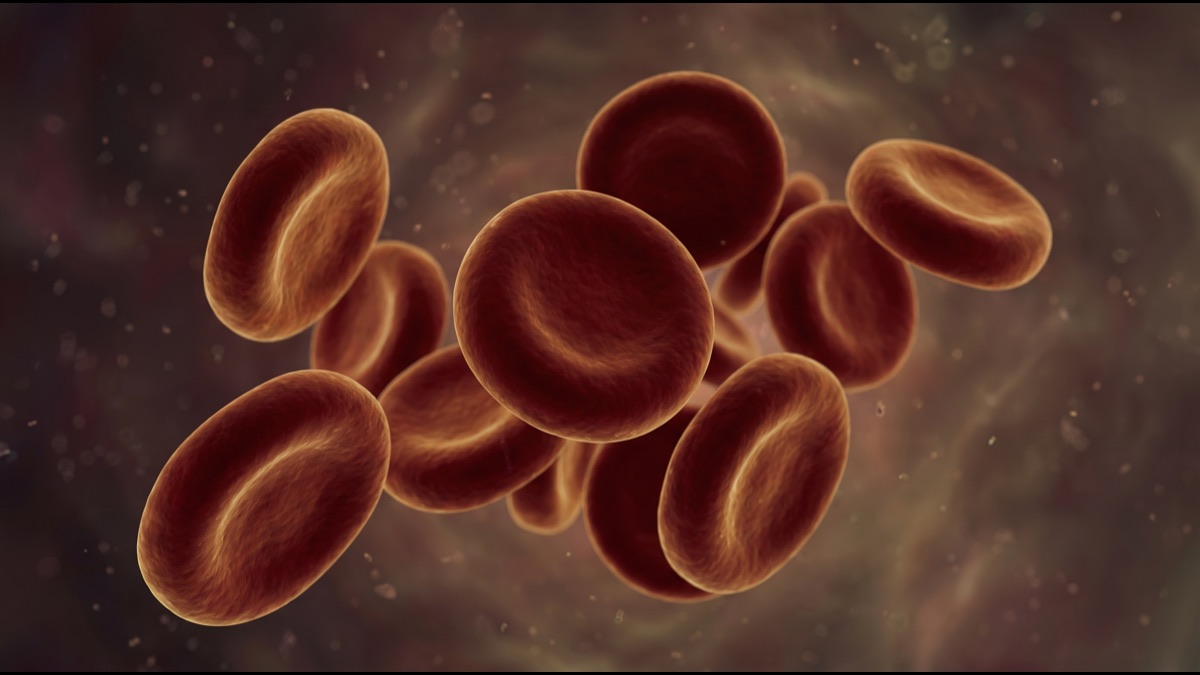
Human blood is grouped into types based on antigens — proteins and sugars — on the surface of red blood cells. The ABO system (A, B, AB, and O) combined with the Rh factor (positive or negative) produces the eight main blood types.
They were discovered by Austrian scientist Karl Landsteiner in 1901 — work that later won him the Nobel Prize and made safe blood transfusion possible for the first time.
The ABO and Rh Systems
Type A blood carries A antigens, Type B carries B antigens, Type AB carries both, and Type O carries neither.
The Rh factor is a separate protein: people who have it are Rh-positive, and those who don't are Rh-negative. Combining the two systems produces the eight familiar types: A+, A-, B+, B-, AB+, AB-, O+, and O-.
Why Type Matching Matters
Receiving mismatched blood triggers an immune attack because the body's antibodies recognize foreign antigens as invaders and attack the transfused cells.
O-negative is called the "universal donor" because it lacks A, B, and Rh antigens, making it the least likely to trigger a reaction in an emergency. AB-positive is the "universal recipient" since it already carries all three antigens and won't react against additional ones.
Sources
- Wikipedia — overview of the ABO blood group system
- American Red Cross — blood type and transfusion background
- Encyclopaedia Britannica — history and science of blood typing
FAQ
What is the rarest blood type?
AB-negative is generally the rarest, found in roughly 1% of people globally, though exact rates vary by population and ethnicity.
Why is O-negative called the universal donor?
Because its red cells carry none of the A, B, or Rh antigens, so most immune systems won't reject it in an emergency transfusion.
Can blood type change over a lifetime?
Extremely rarely, such as after certain bone marrow transplants — for the vast majority of people it stays fixed for life since it is genetically determined.
About the Author
We reference Wikipedia and the American Red Cross and Encyclopaedia Britannica to explain the background and current understanding of this topic.
Loved This Article?
Share it on WhatsApp → Share it on WhatsApp
Get more guides in your inbox — Subscribe to our newsletter for weekly surprising stories from Egypt, Saudi Arabia, Dubai, and beyond.