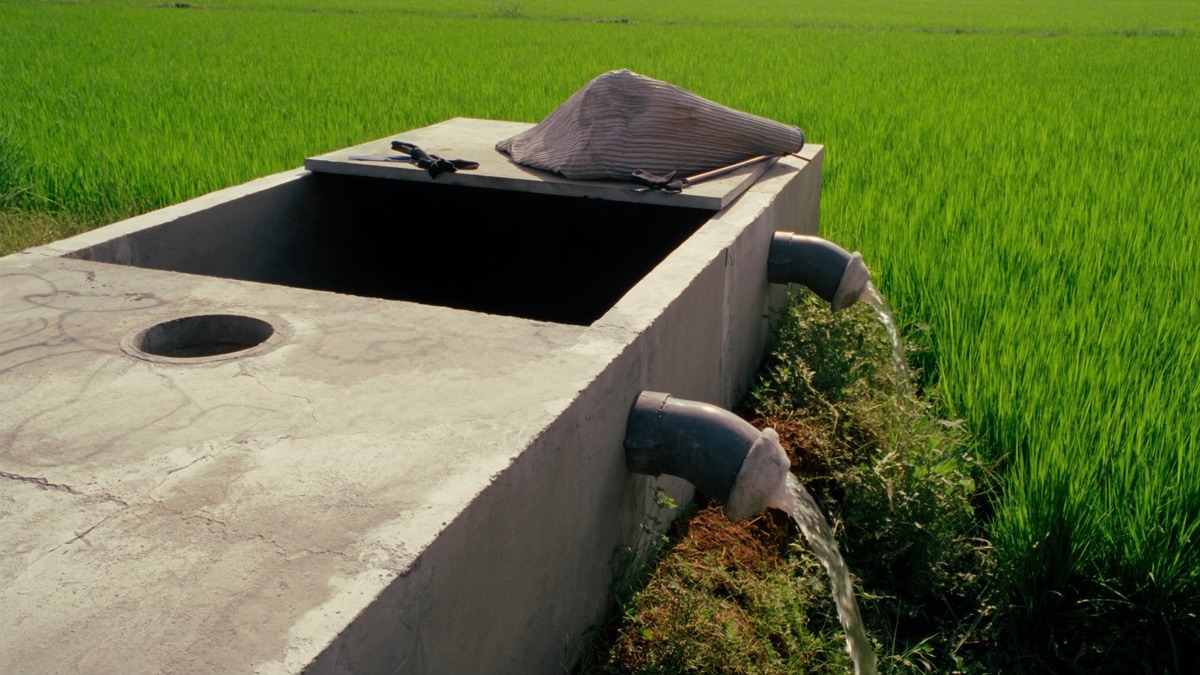
A septic tank treats household wastewater on-site by letting gravity and bacteria do the separating, without ever connecting to a municipal sewer line. Roughly a fifth of homes in the United States, and a much higher share of rural properties worldwide, rely on this quiet underground system that needs almost no power and very little maintenance if it is sized and used correctly.
What Actually Happens Inside a Septic Tank
Wastewater enters a buried, watertight tank and sits still long enough for gravity to do the first stage of separation: heavier solids sink to the bottom to form a layer called sludge, while fats, oils, and grease float to the top to form a layer called scum, leaving a relatively clear layer of liquid in the middle.
That middle liquid layer, technically called effluent, is what actually leaves the tank; the sludge and scum layers stay behind, trapped by internal baffles positioned specifically to block solids from washing straight through to the outlet pipe every time new wastewater enters.
The Role of Anaerobic Bacteria
Inside the tank, naturally occurring anaerobic bacteria — organisms that thrive without oxygen — slowly digest a portion of the trapped sludge and scum, breaking complex organic waste down into simpler compounds and gradually reducing the total solid volume that would otherwise need pumping out.
This bacterial digestion is why septic systems are sensitive to strong disinfectants and antibacterial products: a healthy colony does real treatment work continuously, and killing it off lets solids accumulate far faster than the tank was designed to handle.
Why the Drain Field Is the Real Filter
The clarified effluent leaving the tank still carries dissolved organic matter, nutrients, and pathogens, so it flows next into a drain field, also called a leach field: a network of perforated pipes buried in gravel-filled trenches spread across a section of the yard.
As effluent seeps out through the perforations and trickles down through the gravel and soil beneath it, a thin biological film of aerobic bacteria living on the soil particles does the final, most important stage of treatment, breaking down remaining contaminants before the water rejoins the natural groundwater cycle.
How Soil Type Determines System Design
Soil composition controls how a drain field actually gets designed, because sandy soil drains too fast for adequate filtering while dense clay drains too slowly and risks surfacing wastewater, so a percolation test measuring how quickly a test hole absorbs water is required before any system is installed.
Sites with genuinely poor soil, high water tables, or too little useable land for a standard trench system often need engineered alternatives such as raised mound systems, sand filters, or aerobic treatment units that add mechanical oxygen to speed bacterial breakdown before the water ever reaches native soil.
Sizing a Tank to the Household
Tank size is calculated primarily from the number of bedrooms in a home rather than the number of current occupants, since bedroom count is a reasonable proxy for the home's maximum realistic occupancy and future resale potential, with typical residential tanks ranging from roughly 750 to 1,500 gallons.
Undersizing a tank relative to actual water use is one of the most common causes of premature failure, because wastewater simply does not sit still long enough for proper solid separation before being pushed out toward the drain field.
Why Regular Pumping Is Non-Negotiable
Even with healthy bacterial digestion, some portion of sludge and scum never fully breaks down and steadily accumulates over years, gradually shrinking the clear liquid layer available for proper settling until solids risk escaping into the drain field.
A professional pump-out removes accumulated sludge and scum through an access port, and most residential systems need this every three to five years depending on tank size, household size, and habits, making it far cheaper than the drain field repairs that neglect eventually causes.
What Should Never Go Down the Drain
Cooking grease, coffee grounds, cigarette butts, cat litter, paper towels, and so-called flushable wipes resist bacterial breakdown and are among the leading causes of clogged pipes and premature drain field failure, regardless of what packaging claims about biodegradability.
Even septic-safe toilet paper and cleaning products only reduce risk rather than eliminate it, so the most reliable practice is treating the tank as a biological process to protect rather than a convenient disposal point for anything that happens to flush.
The Hidden Cost of Garbage Disposals
A kitchen garbage disposal roughly doubles the volume of solid waste entering a septic tank compared with scraping food scraps into the trash, since ground food particles still need to settle and digest just like any other solid.
Homes with a disposal unit typically need pumping on the shorter end of the recommended interval, and some septic professionals recommend avoiding disposal use for fibrous or fatty scraps entirely to reduce the added solids load.
How Tree Roots Cause Slow, Silent Damage
Tree and shrub roots are drawn toward the moisture and nutrients concentrated around drain field pipes and tank joints, and over years they can infiltrate small cracks or pipe seams, gradually widening them and disrupting the even distribution of effluent across the field.
Because root intrusion happens gradually underground, it is often invisible until a section of the drain field fails outright, which is why site plans and septic professionals recommend keeping large trees a safe distance — often 30 feet or more — from tank and field locations.
Reading the Warning Signs of a Failing System
Slow-draining sinks and toilets across multiple fixtures at once, gurgling drain noises, unusually lush or soggy patches of grass over the drain field, and any sewage odor in the yard are all classic early warning signs that a system is struggling before an outright backup occurs.
Catching these signs early and calling a professional for inspection is dramatically cheaper than waiting for a full backup into the house or a drain field collapse, since early intervention often means an extra pump-out rather than a full field replacement.
Concrete, Plastic, and Fiberglass Tank Materials
Concrete tanks remain the most common choice for their durability and resistance to floating out of the ground in high water tables, typically lasting 40 years or more, though they are heavier to install and can eventually develop cracks as they age.
Plastic and fiberglass tanks are lighter, resist corrosion from the mildly acidic environment inside a tank, and are easier to install on difficult sites, but they require careful backfilling and anchoring to prevent shifting or floating in saturated soil.
Alternative Systems for Difficult Sites
Where soil, space, or water table conditions rule out a conventional gravity drain field, aerobic treatment units actively pump oxygen into a secondary treatment chamber, accelerating bacterial breakdown enough to discharge cleaner effluent into a smaller drain field footprint.
Mound systems solve high water table problems by building an elevated bed of sand and gravel above natural grade, pumping effluent up into it so treatment happens in suitable soil rather than in the saturated ground beneath the original site.
Septic Inspections During Home Sales
Because a failing septic system can cost tens of thousands of dollars to replace, most real estate transactions in septic-served areas now include a dedicated septic inspection covering tank condition, sludge and scum levels, and a dye test to confirm the drain field is absorbing water properly.
Buyers who skip this inspection risk inheriting a system nearing the end of its service life with no visible warning, since a tank can look completely normal from the surface while its drain field is already failing underground.
Cold-Climate and Winter Considerations
In cold climates, snow cover actually helps insulate a septic system by trapping ground heat, so compacting snow over the tank or drain field by walking, parking, or plowing on top of it removes that insulation and raises the risk of freezing.
Systems used only seasonally, such as at vacation homes, are more vulnerable to freezing because there is no regular flow of warm wastewater keeping pipes and the tank itself above freezing temperature through the coldest stretches of winter.
Environmental and Public Health Regulations
Local health departments typically regulate septic system permits, siting distances from wells and water bodies, and design standards specifically because a failing system can contaminate groundwater and nearby surface water with bacteria, nitrogen, and other pollutants.
Regulations commonly require a minimum setback between a drain field and any drinking water well, often 50 to 100 feet depending on soil and local rules, precisely because contaminated groundwater from a nearby failing system is a well-documented public health risk.
Installation Cost Versus Municipal Sewer Connection
A new conventional septic system typically costs several thousand to over twenty thousand dollars depending on soil conditions, tank size, and whether an engineered alternative system is required, while connecting to a nearby municipal sewer line can cost even more once tap fees and trenching are included.
For genuinely rural properties far from any sewer infrastructure, a well-maintained septic system is usually both cheaper over its lifetime and more practical than extending miles of municipal pipe, which is why septic systems remain the default choice across most of rural America and much of the developing world.
How Long a Well-Maintained System Actually Lasts
A concrete or heavy-duty plastic tank can realistically last 20 to 40 years when pumped on schedule and protected from heavy machinery or vehicle traffic overhead, since the tank itself does relatively simple mechanical separation work rather than delicate biological filtering.
The drain field is typically the shorter-lived component because its soil-based biological filtering can degrade from age, root intrusion, or repeated overloading, meaning many homeowners will replace a drain field once or twice before ever needing to replace the tank itself.
Everyday Habits That Extend a System's Life
Spreading laundry loads throughout the week instead of running several large loads back-to-back gives the tank time to properly settle solids between surges, since a sudden large volume of water can stir up settled sludge and push it toward the outlet.
Keeping a simple written log of pump-out dates, avoiding harsh chemical drain treatments, and calling a professional at the first sign of slow drains are the three habits septic professionals most consistently point to as the difference between a system that lasts decades and one that fails early.
Permitting, Siting Rules, and Why They Exist
Before any septic system is installed, local health authorities typically require a permit application that includes soil testing results, a site plan showing distances from wells and surface water, and confirmation that the proposed tank and drain field size match the home's expected wastewater output.
These rules exist because a poorly sited or undersized system does not just risk failure for the homeowner — contaminated groundwater from a single failing system can affect neighboring wells and waterways, which is why septic permitting is treated as a public health matter rather than a purely private construction decision.
Protecting a Buried System From Everyday Hazards
Beyond avoiding heavy vehicles and construction equipment, homeowners are generally advised to avoid planting anything beyond shallow-rooted grass directly over the tank and drain field, since deep-rooted plants and shrubs can eventually cause the same infiltration problems as mature trees.
Marking the tank lid location and drain field boundaries with a simple sketch kept alongside home records also saves significant time and excavation cost during future pump-outs or repairs, since buried components are otherwise easy to lose track of within a few years of installation.
Sources
- U.S. Environmental Protection Agency — official guidance on septic system design and maintenance
- Wikipedia — overview of septic tank construction and function
- CDC — septic systems and drinking water safety
FAQ
How often does a septic tank actually need to be pumped?
Most residential tanks need pumping every three to five years, though the exact interval depends on tank size, household size, and how much solid waste enters the system — a professional inspection is the only reliable way to know for a specific property.
Can you use regular bleach and drain cleaner with a septic system?
Occasional small amounts are generally tolerated, but heavy or frequent use of bleach, antibacterial soaps, and chemical drain cleaners kills the bacteria colony the tank depends on, which can let solids build up faster and clog the drain field.
Why do septic systems need a drain field instead of just a tank?
The tank only separates solids from liquid; the partially clarified liquid still carries dissolved organic matter and pathogens that need further filtering through soil bacteria in the drain field before it is safe to rejoin groundwater.
What happens if a septic tank is never pumped?
Sludge and scum eventually build up until there is not enough clear liquid layer left for proper separation, so solids start flowing into the drain field, clogging the soil and often forcing an expensive full drain field replacement.
Can tree roots actually damage a septic system?
Yes; tree and shrub roots are drawn to the moisture and nutrients in and around drain field pipes and can crack tank walls or infiltrate pipe joints, which is why site plans keep large trees a safe distance from the system.
Do septic tanks smell bad if they are working properly?
A properly functioning, properly vented system should not produce noticeable odor at ground level; a persistent sewage smell in the yard usually signals a failing drain field, a cracked tank, or a blocked vent pipe.
Can a garbage disposal be used safely with a septic system?
It can, but it roughly doubles the solid waste entering the tank, so septic-equipped homes with a garbage disposal typically need more frequent pumping to avoid overloading the system.
How long does a septic tank actually last?
A concrete or plastic tank can last 20 to 40 years with proper maintenance, while the drain field, which does the more delicate biological filtering work, is usually the first component to need replacement.
Is it safe to build a driveway or patio over a septic drain field?
No; paving over a drain field compacts the soil and blocks the oxygen exchange the filtering bacteria need, and it also makes future repairs far more difficult and expensive.
Why do septic systems fail more often after heavy rain?
Saturated soil around the drain field loses its ability to absorb and filter additional liquid, so wastewater can back up into the tank or even surface in the yard until the ground has time to drain.
Can a septic system be connected to a municipal sewer later?
Yes, when a sewer line becomes available nearby; the process involves decommissioning the tank properly, which typically means pumping it out and either removing it or filling it with gravel or sand rather than leaving it empty underground.
Do septic-safe toilet paper and products actually matter?
Yes; septic-safe products break down faster in the tank, while thick paper towels, wet wipes, and so-called flushable wipes resist breakdown and are a leading cause of clogs even when packaging claims otherwise.
Why does soil type matter so much for a drain field?
A percolation test measures how fast a test hole absorbs water, since sandy soil can drain too fast for adequate filtering while dense clay can drain too slowly and risk surfacing wastewater, directly determining what design a site can support.
What is an aerobic treatment unit and when is one needed?
It is an alternative system that actively pumps oxygen into a secondary chamber to speed bacterial breakdown, typically required on sites with poor soil, high water tables, or too little land for a conventional gravity drain field.
Why do septic systems require a permit before installation?
Local health authorities review soil tests, lot size, and setback distances from wells and water bodies before approving a permit, because an improperly sited or undersized system can contaminate drinking water sources for an entire neighborhood, not just the property it serves.
Can heavy vehicles or construction equipment damage a septic system?
Yes; driving or parking heavy vehicles over a tank or drain field can crack tank lids, crush pipes, and compact the soil the drain field depends on for filtering, which is why buried systems are typically marked to keep traffic away.
About the Author
We reference Wikipedia and other authoritative sources to explain the background and current understanding of this topic.
Loved This Article?
Share it on WhatsApp → Share it on WhatsApp
Get more guides in your inbox — Subscribe to our newsletter for weekly surprising stories from Egypt, Saudi Arabia, Dubai, and beyond.