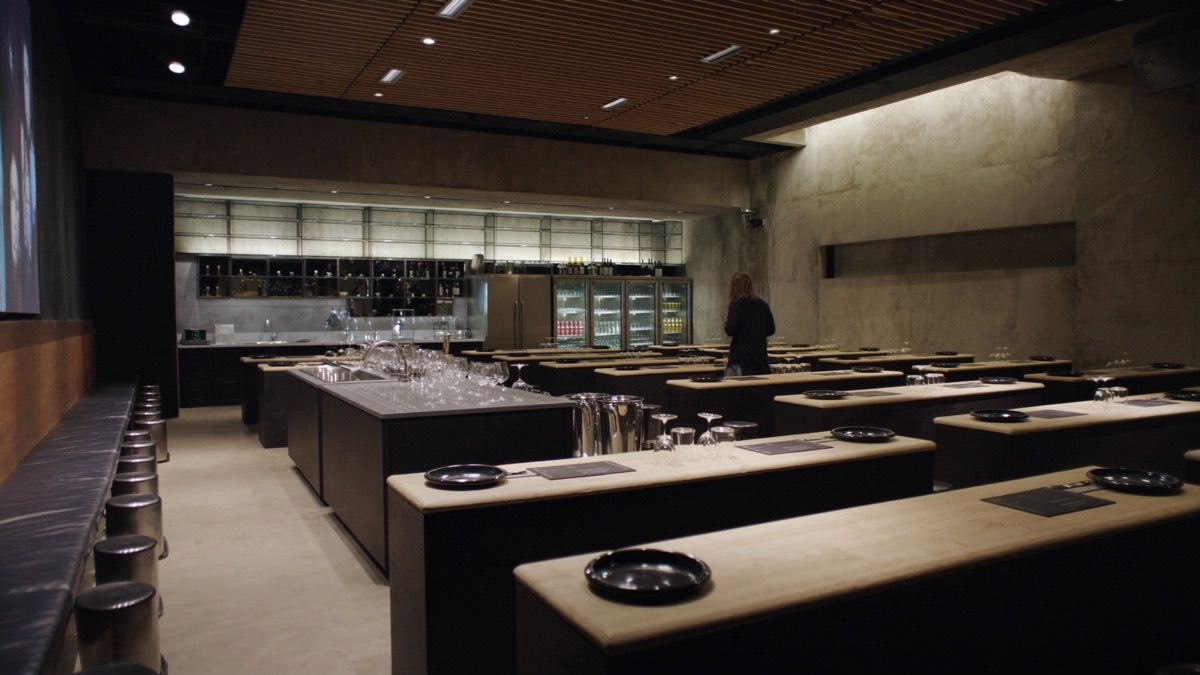
A sommelier is not simply a waiter with a good palate and a confident recommendation. Formal sommelier certification runs through internationally recognized professional bodies that test blind tasting, wine theory knowledge, and hands-on service skill across multiple demanding levels, a process that can take years and, at its highest tier, has a pass rate low enough to make it one of the most difficult professional certifications in any hospitality field.
The Major Certifying Bodies
Two organizations dominate formal sommelier certification internationally: the Court of Master Sommeliers, which awards the Master Sommelier diploma, and the Wine and Spirit Education Trust, commonly known as WSET, which offers a separate multi-level qualification system widely recognized across the wine and hospitality industries.
A related but distinct body, the Association de la Sommellerie Internationale, oversees a global network of national sommelier associations and organizes the biennial Best Sommelier of the World competition, a separate elite competitive event rather than a standard certification path.
The Four Tiers of the Court of Master Sommeliers Path
The Court of Master Sommeliers structures its certification as four progressive levels: Introductory Sommelier, Certified Sommelier, Advanced Sommelier, and finally Master Sommelier, with each level requiring candidates to pass all previous levels before attempting the next.
Most candidates spend years working professionally in restaurants or wine retail between levels, since the program deliberately expects real hands-on service and tasting experience to accumulate between each exam stage rather than treating certification as a purely academic pursuit.
What the Blind Tasting Exam Actually Tests
The blind tasting component requires a candidate to systematically analyze an unlabeled glass of wine, identifying its grape variety, country and region of origin, and approximate vintage purely from its appearance, aroma, and taste, using a structured analytical method rather than guessing.
This deductive process draws on a memorized mental database of how specific grape varieties, climates, and winemaking traditions typically express themselves in a glass, meaning successful blind tasting is fundamentally a trained analytical skill built through years of deliberate, structured practice rather than a natural innate talent.
The Theory Exam Covers Far More Than Wine
Theory exams at the higher certification levels cover an enormous breadth of subject matter well beyond wine itself, including spirits, beer, sake, and cigars, along with viticulture science, winemaking techniques, wine business and pricing, and the specific geography and regulations of wine-producing regions across the entire world.
Candidates are also tested on food and wine pairing principles and the practical business side of running a beverage program, since a working sommelier’s job extends well beyond simply recommending a bottle to include cost control, inventory management, and staff training.
The Practical Service Exam
The service component evaluates a candidate’s hands-on performance in a simulated fine-dining scenario, including properly opening and decanting a bottle, correctly polishing and setting glassware, handling guest complaints or a corked bottle gracefully, and making a confident, well-reasoned wine recommendation under realistic time pressure.
Examiners specifically watch for genuinely small, easily overlooked details, such as pouring technique, how a candidate presents and discusses a label, and overall table-side demeanor, since a real fine-dining service moment leaves essentially no room for an obviously fumbled or awkward presentation.
Why the Master Sommelier Exam Has Such a Low Pass Rate
The Master Sommelier exam is widely regarded as one of the most difficult professional exams in any industry worldwide, with a pass rate that has often hovered in the single digits for candidates attempting all three components, tasting, theory, and service, in the same sitting.
Many candidates need multiple attempts over several years to pass all three sections, and it is entirely possible to pass two components in one sitting yet fail the exam overall by falling short on the third, requiring a candidate to retake only the failed section in a subsequent sitting.
The WSET Alternative Path
The WSET system runs on a separate four-level structure, from Level 1 through the Level 4 Diploma, with a heavier emphasis on structured coursework, written examination, and a widely recognized systematic tasting method compared to the Court of Master Sommeliers’ more service-industry-focused approach.
Many working wine professionals pursue WSET qualifications specifically because its Level 4 Diploma is a recognized prerequisite for entry into the separate, even more advanced Master of Wine qualification, an entirely distinct credential focused more heavily on the wine trade and business side of the industry.
Why Certification Genuinely Matters in the Industry
A recognized sommelier certification meaningfully affects hiring and earning potential at high-end restaurants and hotels, since it provides an objective, internationally recognized benchmark of expertise that a resume alone cannot reliably demonstrate to an employer.
Beyond direct restaurant employment, certified sommeliers commonly move into wine importing, distribution, consulting, and wine education roles, where the credential continues to carry genuine professional weight and directly opens doors that would otherwise require years of additional, harder-to-verify informal experience to access.
Why the Exam Cannot Be Passed Through Memorization Alone
Unlike many professional certification exams that reward memorizing fixed facts, the Master Sommelier blind tasting exam demands the candidate accurately deduce a wine's grape variety, region, and approximate vintage using only smell, taste, and structural analysis, with no labels, bottles, or reference materials available during the actual tasting portion.
This means candidates spend years training their palate on hundreds or even thousands of wines specifically to build the sensory pattern-recognition needed to distinguish, for instance, a cool-climate Burgundian Pinot Noir from a similar bottle grown in Oregon, a skill that cannot be shortcut through study alone and must be developed through sustained, deliberate tasting practice.
The Role of Restaurant and Wine-Program Experience
Most candidates pursuing advanced sommelier certifications work full-time in restaurant wine programs or retail wine roles throughout their years of study, since hands-on experience selecting wine lists, managing cellar inventory, and advising real customers under time pressure is considered essential preparation that classroom study alone cannot replicate.
Many certifying bodies explicitly require a minimum number of years of documented industry experience before a candidate is even eligible to sit for the higher-tier exams, reflecting the field's view that sommelier expertise is fundamentally a practiced craft rather than a purely academic body of knowledge.
How Candidates Structure Years of Self-Directed Study
Because no single textbook or course fully prepares a candidate for the breadth of the advanced exams, most spend years assembling their own personalized study systems, combining flashcard-based memorization of geography and production law, structured blind-tasting groups with peers, and detailed tasting journals tracking hundreds of wines evaluated over time.
Study groups in particular play an outsized role in advanced-level preparation, since practicing blind tasting alone provides no external feedback, while a group of similarly motivated candidates can challenge each other, compare conclusions, and catch systematic errors in each other's tasting technique long before the actual exam.
The Financial Cost of Pursuing Top-Tier Certification
Pursuing the highest levels of sommelier certification is a genuinely expensive undertaking, with exam fees alone often running into the thousands of dollars per attempt when travel, lodging, and the cost of wine purchased for personal blind-tasting practice are included, and candidates frequently attempt the hardest exams multiple times before passing.
Because the Master Sommelier exam in particular has such a low first-attempt pass rate, the cumulative cost of repeated attempts over several years can run into tens of thousands of dollars, a financial reality that shapes who is realistically able to pursue the credential and has prompted ongoing industry discussion about accessibility.
What Happens After Certification Is Earned
Passing does not end a sommelier's obligation to continued learning, since the wine industry itself constantly changes as new regions gain international recognition, production techniques evolve, and vintage conditions shift with climate patterns, meaning practicing sommeliers must continue actively tasting and studying throughout their careers to stay current.
Several certifying bodies also require periodic renewal or continuing education to maintain active status, and a credential holder who stops actively working in the field for an extended period may find their practical service and tasting skills noticeably diminished, since the abilities tested by these exams depend heavily on continuous, active practice.
Why Some of the Field's Best Palates Never Formally Certify
Not every highly skilled wine professional pursues formal certification, since some winemakers, importers, and long-tenured restaurant wine directors develop exceptional tasting ability and deep regional expertise purely through decades of hands-on industry experience without ever sitting for a Court of Master Sommeliers or WSET exam.
Within the industry, however, a formal certification still carries significant professional weight for hiring, career advancement, and credibility with customers, which is why most sommeliers working in fine dining or competitive wine-program roles pursue at least an intermediate-level credential even if their practical skill already exceeds what a given exam tier requires.
The Gender Gap in Top-Tier Sommelier Certification
The Master Sommelier title in particular has historically been earned by a heavily male-skewed group of professionals, and the wine industry has faced ongoing scrutiny over barriers, including reported instances of harassment and exclusionary workplace culture, that have made the path to top-tier certification disproportionately difficult for women.
In response, several mentorship programs and industry organizations have emerged specifically to support women and other underrepresented professionals pursuing advanced sommelier credentials, and the number of women holding the Master Sommelier title, while still a minority, has grown gradually over the past two decades.
How Technology Has Changed Sommelier Study Methods
Digital tasting-note apps, wine-database platforms, and online study communities have significantly changed how candidates prepare compared to a generation ago, giving aspiring sommeliers access to crowdsourced tasting notes, structured flashcard systems, and searchable regional production data that previously existed only scattered across dense reference textbooks.
Some candidates now also use spaced-repetition memorization software originally designed for language learning to drill the enormous volume of geographic, legal, and production-method facts covered on the theory portion of advanced exams, treating the sheer scale of required knowledge as a memorization problem that modern study tools can meaningfully speed up.
Why Some Restaurants Employ Multiple Certification Levels on One Team
Larger fine-dining wine programs frequently staff a layered team rather than relying on a single credentialed expert, pairing one or two advanced-certified sommeliers who oversee the cellar and train staff with several entry- or intermediate-level certified team members who handle day-to-day guest service and recommendations on the floor.
This tiered staffing structure reflects a practical reality: the highest-level exams primarily validate elite tasting and theoretical expertise useful for building an ambitious wine list, while consistent, knowledgeable guest-facing service depends just as much on communication skill and food-pairing intuition, competencies an entry-level certification already establishes a solid foundation for.
The Famous Documentary That Brought the Exam to Mainstream Attention
Public awareness of just how difficult the Master Sommelier exam actually is grew substantially after a widely watched documentary followed a group of candidates through their preparation and attempt, showing the enormous personal and financial toll of pursuing the credential alongside the technical demands of the tasting itself.
The film also became notable for a controversy that emerged afterward, when the Court of Master Sommeliers discovered a rules violation during one exam sitting and revoked the titles of several candidates who had passed that year, an episode that underscored just how seriously the organization treats exam integrity even at its most senior level.
How Regional Certifying Bodies Differ Around the World
While the Court of Master Sommeliers and WSET are the two most internationally recognized credentialing paths, several countries maintain their own respected sommelier associations and competitions with distinct exam structures, reflecting regional wine culture and, in some cases, a stronger emphasis on domestic wine regions than the internationally focused major bodies provide.
Professionals working across borders sometimes pursue more than one credentialing path for exactly this reason, since a certification earned through a regionally focused association can carry specific credibility with domestic employers or guests that a more internationally generalized credential does not fully replicate.
Why Palate Fatigue Is a Real Exam-Day Risk
Candidates sitting for the blind tasting exam must evaluate several wines back to back within a tight time limit, and repeated exposure to tannins, acidity, and alcohol across successive pours can genuinely dull the palate's sensitivity if a candidate has not trained specifically to manage fatigue during extended tasting sessions.
Experienced candidates deliberately practice full-length mock exams under realistic time pressure for exactly this reason, since recognizing early palate fatigue and using techniques like palate-cleansing water or controlled pacing between glasses can be the difference between an accurate tasting call and a rushed, unreliable one late in the exam.
For this reason, many top-tier candidates treat physical conditioning almost like athletes preparing for competition, prioritizing sleep and hydration in the days before the exam and deliberately avoiding anything that could dull their senses on the single most consequential tasting day of their careers.
A single poor night of sleep or an ill-timed cold can measurably blunt a trained palate, which is why so many candidates describe exam-day preparation as beginning well before they ever walk into the tasting room itself.
Sources
- Wikipedia — overview of the sommelier profession and major certification pathways
- Wikipedia — structure and history of the Court of Master Sommeliers certification levels
- Court of Master Sommeliers — official certification levels and exam structure
FAQ
Is the term sommelier legally protected the way some professional titles are?
No; anyone can informally call themselves a sommelier, but formal certification through a recognized body like the Court of Master Sommeliers or WSET is what actually verifies the title with a demonstrated, tested standard.
How many levels does the Court of Master Sommeliers certification have?
Four: Introductory Sommelier, Certified Sommelier, Advanced Sommelier, and Master Sommelier, each requiring the previous level to be passed first.
What exactly does the blind tasting exam test?
It tests whether a candidate can systematically identify a wine’s grape variety, region, and approximate vintage purely from its appearance, aroma, and taste using a structured analytical method.
Why is the Master Sommelier exam considered so difficult?
Its pass rate for candidates attempting all three components, tasting, theory, and service, in one sitting has often been in the single digits, making it one of the hardest professional exams in any hospitality field.
How is the WSET path different from the Court of Master Sommeliers path?
WSET places heavier emphasis on structured coursework and written examination across four levels, and its top Diploma level is a recognized prerequisite for the separate, more trade-focused Master of Wine qualification.
Does sommelier certification actually help with job prospects?
Yes; it provides an objective, internationally recognized benchmark that meaningfully affects hiring and earning potential at high-end restaurants and opens paths into wine importing, distribution, and education roles.
About the Author
We reference Wikipedia and other authoritative sources to explain the background and current understanding of this topic.
Loved This Article?
Share it on WhatsApp → Share it on WhatsApp
Get more guides in your inbox — Subscribe to our newsletter for weekly surprising stories from Egypt, Saudi Arabia, Dubai, and beyond.