Introduction
Vaccines are one of the most effective public health interventions in history, credited by the World Health Organization with preventing millions of deaths annually from diseases like measles, polio, and tetanus. Yet the basic mechanism — how a small injection can teach your body to fight off a disease it has never actually had — remains poorly understood by many people.
At its core, a vaccine works by showing your immune system a safe preview of a pathogen, or a harmless piece of it, so your body can build defenses in advance, before ever encountering the real, dangerous version of the disease.
How Your Immune System Normally Fights Disease
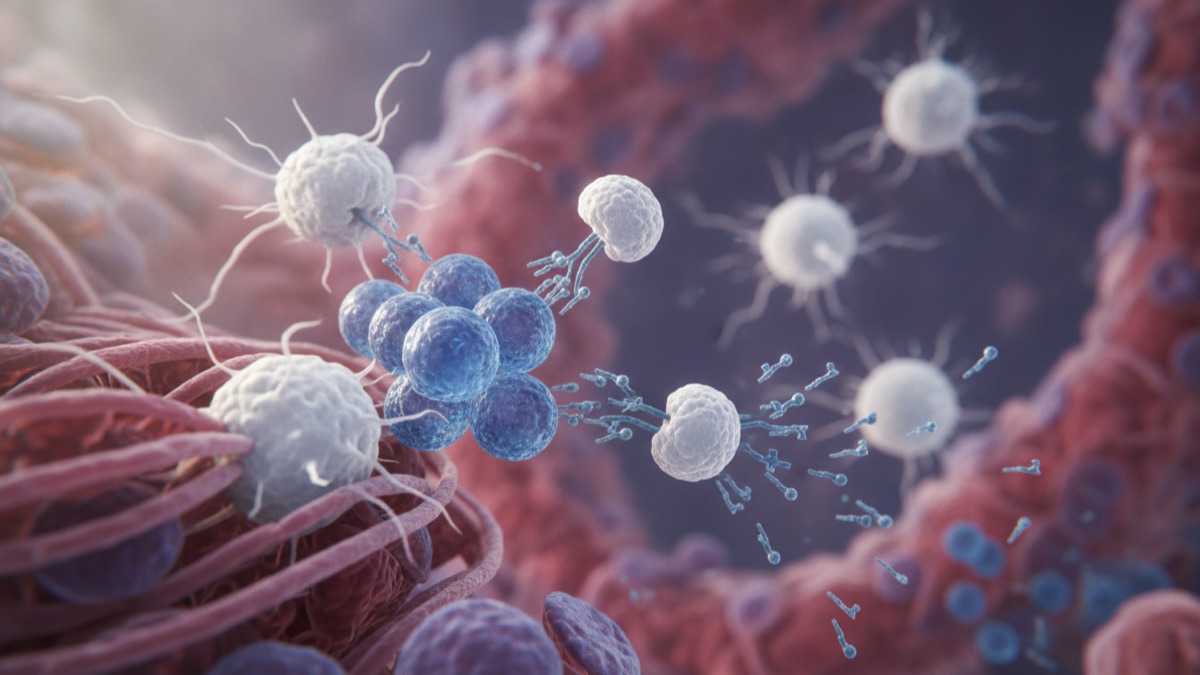
When a harmful virus or bacterium, called a pathogen, first enters your body, your immune system needs time — often several days — to recognize it as a threat, build specialized proteins called antibodies that target it specifically, and mobilize cells to destroy it. This delay is exactly why first-time infections can make people seriously ill: the disease often gets a head start before the immune response fully ramps up.
Crucially, your immune system also creates 'memory cells' after an infection, which remember that specific pathogen. If you encounter it again, your body can react far faster and more powerfully the second time, often stopping the infection before you even feel sick.
How Vaccines Create Immune Memory Safely
Vaccines work by giving your immune system that same 'practice round' of memory-building, without the danger of an actual infection. Depending on the vaccine, this is achieved in different ways: some contain a weakened or inactivated version of the pathogen itself, some contain just a harmless fragment of it — like a single protein from its surface — and newer mRNA vaccines instead deliver genetic instructions that tell your own cells to briefly produce a harmless piece of the pathogen for the immune system to study.
In every case, the goal is the same: present something to the immune system that looks enough like the real pathogen to trigger antibody production and memory-cell formation, without containing anything capable of actually causing the disease.
Why Vaccination Rates Matter for Everyone
When a large enough percentage of a population is vaccinated against a contagious disease, the pathogen struggles to find new hosts to infect, a protective effect known as herd immunity. This matters enormously for people who cannot be vaccinated themselves, such as newborns, people with certain immune disorders, or those undergoing specific medical treatments, who rely on the immunity of those around them for protection.
The exact vaccination threshold needed for herd immunity varies by disease based on how contagious it is; highly contagious diseases like measles require vaccination rates above 90 to 95 percent of a population to reliably prevent sustained outbreaks, according to public health data.
How Vaccine Safety Is Established
Before approval, vaccines go through multiple phases of clinical trials involving tens of thousands of participants, testing for both effectiveness and safety, followed by ongoing monitoring systems after public rollout that continue tracking rare side effects across millions of doses administered. This layered testing process is why vaccine development, even when accelerated during emergencies, still follows the same core safety checkpoints as any other approved medicine.
Like any medical intervention, vaccines can cause side effects, which are typically mild, such as soreness at the injection site or a brief fever, reflecting the immune system actively responding as intended; serious adverse reactions are closely tracked and are rare, occurring at rates that regulatory agencies continuously monitor and publish.
Sources
- World Health Organization — Official explanation of vaccine mechanisms and safety
- US Centers for Disease Control and Prevention — Vaccine safety monitoring and immunology reference
- US National Institutes of Health — Research on immune memory and vaccine development
FAQ
How do vaccines teach the immune system without causing disease?
Vaccines present a weakened, inactivated, or partial version of a pathogen, or genetic instructions to briefly produce a harmless piece of it, which is enough to trigger antibody production and immune memory without causing the actual disease.
Why does your body respond faster the second time you meet a pathogen?
After a first exposure, whether through infection or vaccination, your immune system creates memory cells that remember the specific pathogen, allowing a much faster and stronger response if you encounter it again.
What is herd immunity?
Herd immunity occurs when enough of a population is vaccinated against a contagious disease that the pathogen struggles to spread, indirectly protecting people who cannot be vaccinated themselves, such as newborns or immunocompromised individuals.
How are vaccines tested for safety?
Vaccines undergo multiple phases of clinical trials with tens of thousands of participants before approval, followed by ongoing monitoring systems that track rare side effects across millions of administered doses after public rollout.
Are vaccine side effects dangerous?
Most vaccine side effects are mild, such as soreness or a brief fever, reflecting the immune system responding as intended; serious adverse reactions are closely tracked and occur at rates continuously monitored by regulatory agencies.
About the Author
doyouknow.app Editorial Team — We reference official public-health and immunology sources to explain how vaccines actually work at a mechanistic level.
Loved This Article?
Share it on WhatsApp → Share on WhatsApp
Get more guides in your inbox — Subscribe to our newsletter for weekly surprising stories from Egypt, Saudi Arabia, Dubai, and beyond.