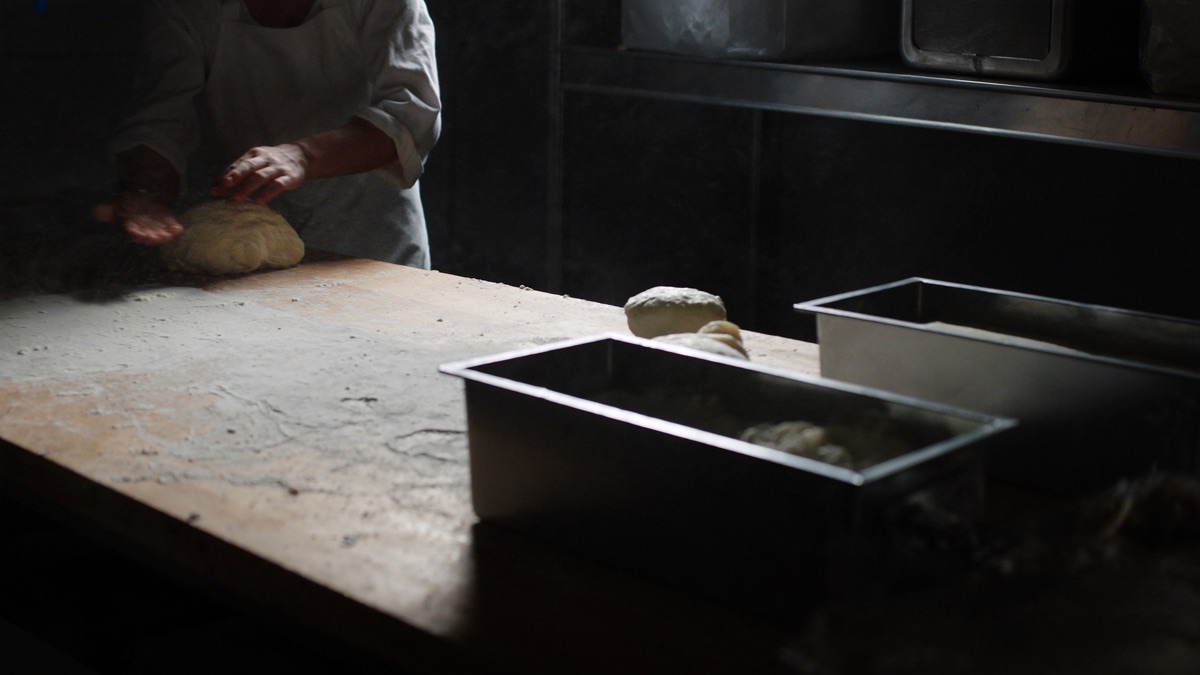
Yeast Is a Living, Single-Celled Fungus
Baker's yeast, Saccharomyces cerevisiae, is not a chemical leavener like baking soda but a living microorganism — a single-celled fungus that has been domesticated for thousands of years specifically because it produces gas as a byproduct of feeding itself, and that gas is what makes bread rise.
Each yeast cell is invisible to the naked eye, but a single packet of dry yeast contains billions of them, and once they're rehydrated in warm dough they wake up, start consuming available sugars, and begin reproducing by budding, doubling their population every couple of hours under good conditions.
Fermentation Converts Sugar Into Gas and Alcohol
Yeast cells feed on simple sugars, some already present in the flour and some produced when the flour's starches are broken down by enzymes, and through a metabolic process called fermentation they convert that sugar into carbon dioxide gas and ethanol alcohol, releasing energy for themselves in the process.
This is the same core biochemical pathway breweries and wineries use to make alcohol, just optimized for a different purpose — in dough, the alcohol mostly evaporates during baking, but the carbon dioxide gas is the entire point, since it's what needs to be trapped inside the dough to make it rise.
Gluten Is the Net That Traps the Gas
Wheat flour contains two proteins, glutenin and gliadin, that link together into a stretchy, elastic network called gluten when the flour is mixed with water and kneaded, and this network behaves almost like a mesh of tiny balloons woven throughout the dough.
As yeast produces carbon dioxide, that gas doesn't simply escape — it gets caught inside thousands of microscopic gluten pockets, and each pocket inflates slightly, and collectively those countless tiny inflations are what cause the whole mass of dough to visibly expand and rise.
Kneading Builds the Gluten Network Before Fermentation Even Starts
Kneading dough isn't just mixing ingredients together — it physically stretches and aligns the glutenin and gliadin proteins so they bond into longer, stronger chains, and the more thoroughly this network develops, the better it will be at holding gas without tearing.
Under-kneaded dough has a weak, patchy gluten structure that lets gas bubbles merge and escape rather than staying trapped, which is why under-kneaded bread often turns out dense and flat even if the yeast itself was perfectly active.
Warm Temperatures Speed Yeast Activity Dramatically
Yeast fermentation is highly temperature-sensitive, with activity roughly doubling for every 10°C increase up to a point, which is why recipes call for a warm environment — typically around 24 to 27°C — to proof dough, since that range keeps the yeast metabolizing quickly without stressing the cells.
Above roughly 60°C, the heat of baking kills the yeast outright, which is why dough rises rapidly for the first several minutes in the oven, a phenomenon bakers call oven spring, before fermentation stops permanently and the structure simply bakes solid around the gas pockets already trapped.
Cold Slows Fermentation Without Stopping It
Refrigerating dough doesn't kill the yeast, it just dramatically slows its metabolism, which is why many bakers use a long, cold overnight rise instead of a fast warm one — the slower pace gives enzymes more time to break down starches into flavorful sugar compounds before the yeast consumes them.
This is why cold-fermented sourdough and artisan loaves often taste noticeably more complex than quick same-day bread: the extended, slow fermentation window allows a wider range of flavor-producing chemical reactions to happen alongside the basic gas production.
Too Much Sugar or Salt Can Stress Yeast Cells
Yeast needs some sugar to feed on, but very high sugar concentrations actually work against it through osmotic stress, pulling water out of the yeast cells in the same way salt draws moisture out of a cut cucumber, which is why enriched sweet doughs often need extra yeast or longer proofing times.
Salt has a similar but more controlled effect at normal baking concentrations — it tightens the gluten network and slightly slows yeast activity, which is actually useful, since unchecked yeast can over-ferment dough into a slack, sour, weakened mess before it ever reaches the oven.
Punching Down Dough Redistributes Gas, It Doesn't Deflate It Pointlessly
After the first rise, bakers often deflate or 'punch down' the dough, which sounds counterproductive but actually serves a purpose: it releases the largest, unevenly distributed gas bubbles and redistributes both yeast cells and remaining sugar more evenly throughout the mass.
This second mixing sets up a more even second rise, producing a finer, more uniform crumb structure with smaller, more consistent air pockets rather than a few oversized holes next to dense, gas-starved patches.
Wild Yeast and Sourdough Work the Same Way, Just Slower
Sourdough starters don't use commercial packaged yeast at all — they capture wild yeast strains and lactic acid bacteria naturally present in flour and the surrounding air, cultivating them into a stable colony through repeated feeding with fresh flour and water.
The fermentation chemistry is fundamentally identical, carbon dioxide trapped in gluten, but wild yeast strains tend to be slower and less vigorous than commercial Saccharomyces cerevisiae, and the accompanying bacteria produce lactic and acetic acid, which is what gives true sourdough its distinctive tang alongside its rise.
Instant, Active Dry, and Fresh Yeast Are the Same Organism, Different Forms
Fresh (cake) yeast is a moist, perishable block of live cells, active dry yeast is dehydrated granules with a protective outer layer of dead cells that requires proofing in warm water before use, and instant yeast is a more finely milled, faster-dissolving dry form that can be mixed directly into flour.
Despite different handling instructions, all three are the same species and ferment through the identical biochemical pathway — the differences are purely about cell concentration, moisture content, and how quickly the product rehydrates and becomes metabolically active.
Proofing Is a Visual Check on Yeast Health, Not Just a Step
Proofing active dry yeast in warm water with a pinch of sugar before adding it to flour serves as a live test: if the mixture doesn't foam and bubble within about ten minutes, the yeast is dead or too weak to properly leaven the dough, and continuing with it would waste the rest of the ingredients.
That foam is literally visible carbon dioxide production happening in a cup, which is the same reaction that will later happen invisibly throughout the dough — seeing it confirms the yeast is alive and metabolically active before committing a full batch of flour to it.
Overproofed Dough Collapses Because the Gluten Network Finally Tears
If dough is left to rise for too long, the yeast keeps producing gas, and the gluten network keeps stretching to accommodate it, but that network has a physical breaking point — once bubbles grow too large, the thinned gluten walls between them rupture, and gas escapes rather than staying trapped.
This is why overproofed dough often looks impressively puffy right before baking but then collapses into a dense, flat loaf in the oven: the structural network needed to hold that gas in place during baking has already failed before the heat even arrives.
Steam in the Oven Helps Trap the Final Burst of Gas
Many bread recipes call for injecting steam into the oven during the first few minutes of baking, which keeps the crust soft and flexible for slightly longer, delaying crust formation just long enough for the dough's final rapid gas expansion — oven spring — to happen before the exterior hardens and locks the shape in place.
If the crust sets too early, the trapped gas has nowhere left to expand into, which can cause the loaf to crack unpredictably at its weakest point as pressure builds up with nowhere controlled to release.
Altitude Changes How Yeast Dough Behaves
At high altitude, lower atmospheric pressure means gas bubbles inside the dough expand more for the same amount of carbon dioxide produced, so dough rises faster and can overproof more easily, which is why high-altitude baking guides typically recommend less yeast or a shorter proofing time.
Lower air pressure at altitude also causes liquids to evaporate faster during baking, which independently affects crumb structure, meaning altitude adjustments to yeast bread recipes usually involve changing both fermentation time and liquid ratios, not just one factor.
Enriched Doughs Rise Differently Because Fat Coats the Gluten Strands
Doughs enriched with butter, eggs, or oil — like brioche or dinner rolls — rise more slowly than lean bread dough because fat molecules physically coat gluten strands, interfering slightly with how tightly they can bond together and somewhat limiting the network's overall elasticity.
This is why enriched dough recipes typically call for more yeast, longer kneading, or a warmer, longer proof compared to simple lean bread — the added richness that makes the final product tender also makes the gluten scaffold less efficient at trapping gas quickly.
Commercial Baker's Yeast Was Selectively Bred, Not Discovered All at Once
Modern packaged baker's yeast descends from strains selectively cultivated over centuries for reliability, vigor, and consistent fermentation speed, a process that accelerated in the late 19th century when industrial-scale pure-culture propagation techniques made mass production of standardized yeast commercially viable for the first time.
Before that, bakers relied entirely on capturing and maintaining wild yeast cultures, essentially permanent sourdough-style starters, which is why fast, reliably identical bread rising is a relatively recent convenience compared to the multi-thousand-year history of leavened bread itself.
Osmotolerant Yeast Strains Were Bred Specifically for Sweet Dough
Because regular baker's yeast struggles in high-sugar environments, food scientists developed specialized osmotolerant strains that better withstand the osmotic pressure of sugar-heavy doughs like brioche, cinnamon rolls, and panettone, allowing consistent rising even when sugar content would stress ordinary yeast.
These specialized strains are common in commercial bakeries producing sweet enriched breads at scale, since relying on standard yeast alone in a very sugary dough can produce inconsistent, sluggish, or failed rises that ordinary troubleshooting like extra yeast quantity doesn't always fully fix.
Autolyse Rests Let Flour Hydrate Before Yeast Activity Even Begins
Many modern bread recipes include an autolyse step -- simply resting mixed flour and water together for twenty minutes to an hour before adding yeast and salt -- which lets enzymes already in the flour begin breaking down starches and gluten proteins start forming naturally without any mechanical kneading at all.
This head start means less kneading is needed afterward to reach the same gluten strength, and bakers report that autolysed dough often produces a more extensible, easier-to-shape final structure once yeast fermentation and further kneading are added into the mix.
Sources
- Wikipedia: Saccharomyces cerevisiae — Biology of baker's yeast and its fermentation metabolism.
- Wikipedia: Bread — Overview of dough fermentation, gluten development, and baking chemistry.
- Britannica: Yeast — Encyclopedia overview of yeast biology and fermentation.
FAQ
Is yeast alive when it's in a dry packet on a shelf?
Yes; commercial dry yeast is dormant, not dead — the cells survive in a low-moisture, low-metabolism state and only 'wake up' and start fermenting once rehydrated in warm liquid.
Does bread rise because gas literally inflates it like a balloon?
Essentially yes; carbon dioxide gas produced by yeast fermentation gets trapped in thousands of microscopic pockets within the dough's gluten network, and each inflating pocket contributes to the dough's overall visible expansion.
Why does bread dough need kneading before it can rise properly?
Kneading develops the gluten network by stretching and aligning wheat proteins into a strong, elastic mesh; without enough kneading, that mesh is too weak to trap fermentation gas efficiently, producing dense, flat bread.
Can yeast dough rise in the refrigerator?
Yes, more slowly; cold temperatures don't kill yeast, they just dramatically slow its metabolic rate, which is why many bakers use a long, cold overnight rise to develop deeper flavor alongside the gas production.
Why do some bread recipes call for more sugar and others call for less?
A little sugar feeds the yeast and speeds fermentation, but too much sugar draws water out of yeast cells through osmotic stress, which is why very sweet enriched doughs often need extra yeast or longer proofing to compensate.
What actually happens when you 'punch down' rising dough?
Punching down releases oversized, unevenly distributed gas bubbles and redistributes yeast and remaining sugar more evenly through the dough, setting up a finer, more uniform second rise rather than a few large air pockets.
Is sourdough bread made with the same yeast as regular bread?
No, not exactly; sourdough starters capture wild yeast strains and lactic acid bacteria naturally present in flour and air, which ferment more slowly than commercial baker's yeast and add characteristic tangy acids.
What's the actual difference between active dry yeast and instant yeast?
Both are the same organism in dried form; active dry yeast has a protective dead-cell coating requiring proofing in warm water first, while instant yeast is more finely milled and dissolves fast enough to mix directly into flour.
Why do you proof yeast in warm water with sugar before baking?
It's a live test — if the mixture doesn't foam within about ten minutes, the yeast is too weak or dead to properly leaven the dough, letting a baker catch the problem before wasting the rest of the ingredients.
Why does overproofed dough collapse in the oven instead of rising more?
The gluten network holding gas bubbles has a physical breaking point; once bubbles grow too large for too long, the thinned walls between them rupture and gas escapes rather than staying trapped for the final oven rise.
What is 'oven spring' in bread baking?
It's the rapid final burst of dough expansion that happens in the first several minutes of baking, driven by yeast still fermenting rapidly in the heat before the temperature rises high enough (around 60°C) to kill the cells.
Why do some bakers add steam to the oven when baking bread?
Steam keeps the crust soft and flexible slightly longer, delaying crust formation just long enough for oven spring to finish expanding the loaf before the exterior hardens and locks the final shape and volume in place.
Does altitude actually affect how yeast bread rises?
Yes; lower air pressure at high altitude lets gas bubbles expand more for the same amount of carbon dioxide, causing faster rising and easier overproofing, which is why high-altitude recipes often reduce yeast or shorten proofing time.
Why do enriched doughs like brioche take longer to rise than plain bread dough?
Fat from butter, eggs, or oil coats gluten strands, slightly weakening how tightly the protein network bonds, which is why enriched recipes typically need more yeast, longer kneading, or a longer, warmer proof to compensate.
Has commercial baker's yeast always existed in packets the way it does today?
No; standardized commercial yeast only became possible in the late 19th century through industrial pure-culture propagation — before that, bakers relied entirely on maintaining their own wild yeast cultures, essentially permanent starters.
About the Author
We reference Wikipedia and other authoritative sources to explain the background and current understanding of this topic.
Loved This Article?
Share it on WhatsApp → Share it on WhatsApp
Get more guides in your inbox — Subscribe to our newsletter for weekly surprising stories from Egypt, Saudi Arabia, Dubai, and beyond.