Introduction
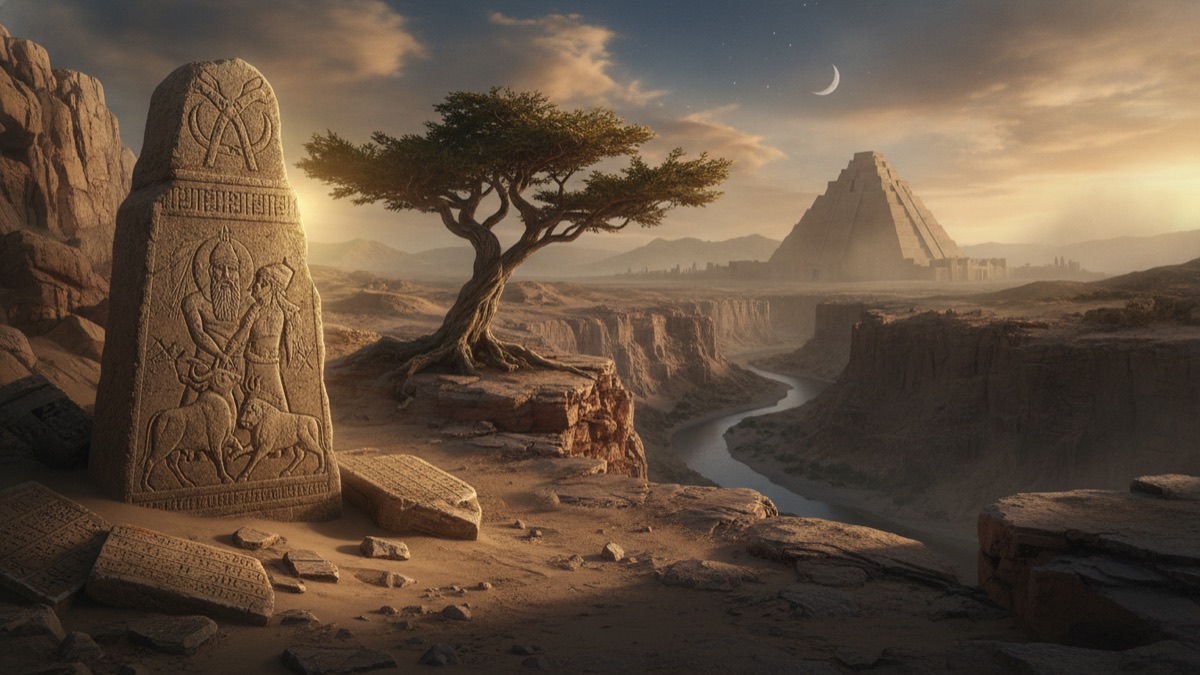
The Epic of Gilgamesh is a Mesopotamian poem written in cuneiform on clay tablets, with versions dating back over 4,000 years, making it among the oldest substantial works of literature known to survive.
It tells the story of Gilgamesh, a semi-legendary king of the Sumerian city of Uruk, who according to later king lists is believed to have actually ruled around 2700 BCE.
The Story
The epic begins with Gilgamesh as a powerful but tyrannical ruler; the gods create Enkidu, a wild man, to challenge him, and the two become close friends after an initial fight.
Together they undertake heroic quests, but after Enkidu's death, Gilgamesh is consumed by grief and fear of his own mortality, setting off on a desperate journey to find the secret of eternal life — a quest that ultimately ends in failure, and acceptance that even great kings are mortal.
Why It Still Matters
The epic contains a flood narrative strikingly similar to the biblical story of Noah, which scholars have studied for what it reveals about shared flood traditions across ancient Near Eastern cultures.
Rediscovered by archaeologists in the 19th century among the ruins of the library of Ashurbanipal in Nineveh, the epic remains one of the earliest known explorations of mortality, friendship, and the limits of human power.
Sources
- Encyclopaedia Britannica — scholarly overview of the epic and its history
- Wikipedia — detailed synopsis and textual history
- World History Encyclopedia — historical context on Gilgamesh and Uruk
FAQ
Was Gilgamesh a real person?
Ancient Sumerian king lists include a Gilgamesh who is believed to have ruled Uruk around 2700 BCE, though the epic's supernatural events are legendary rather than historical.
How old is the Epic of Gilgamesh?
The earliest Sumerian poems about Gilgamesh date back over 4,000 years, with the most complete standard version compiled around the 12th century BCE.
What is the connection to the story of Noah?
The epic includes a flood story with a boat-building survivor, remarkably similar in structure to the biblical flood narrative, reflecting shared ancient Near Eastern flood traditions.
About the Author
We reference Encyclopaedia Britannica and Wikipedia and the World History Encyclopedia to explain the background and current understanding of this topic.
Loved This Article?
Share it on WhatsApp → Share on WhatsApp
Get more guides in your inbox — Subscribe to our newsletter for weekly surprising stories from Egypt, Saudi Arabia, Dubai, and beyond.