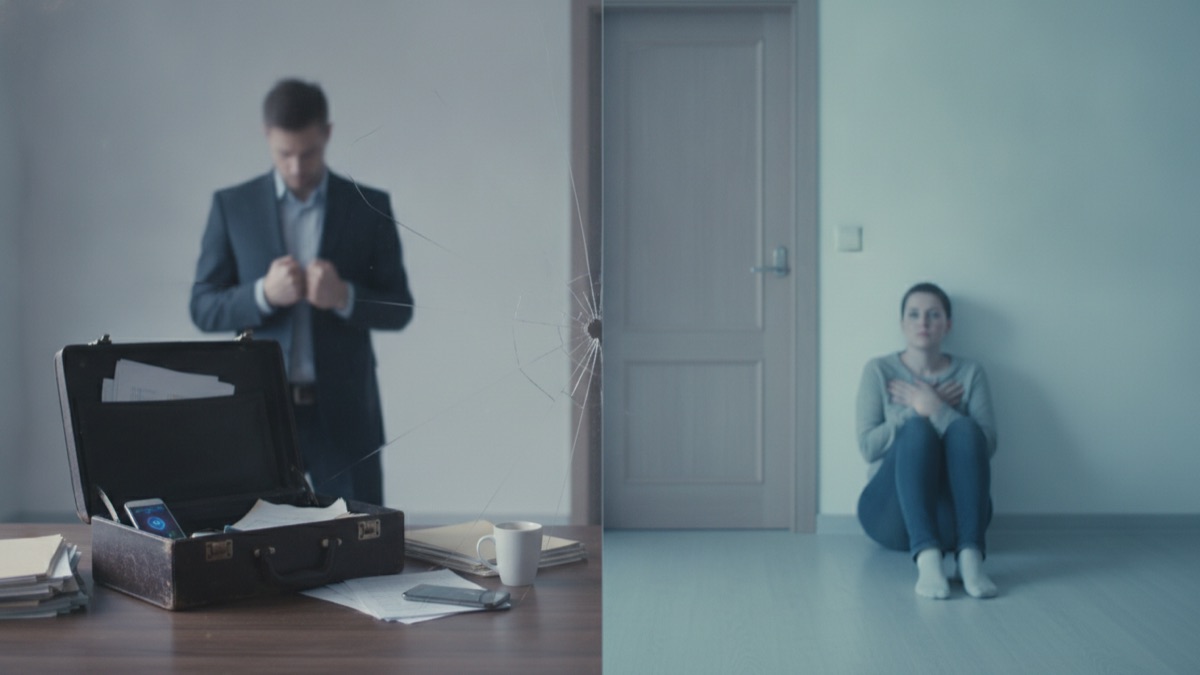
Introduction
Stress and anxiety are often used interchangeably in everyday conversation, and they do share overlapping physical symptoms — racing heart, muscle tension, difficulty concentrating — since both engage the body's same underlying stress-response system. However, psychologists and psychiatrists generally distinguish them as genuinely different experiences with different typical causes, patterns, and clinical implications.
Understanding this distinction matters practically: it affects both how people interpret their own experience and, in more severe or persistent cases, what kind of professional treatment approach is likely to be most appropriate and effective.
What Defines Stress
Stress is generally defined as the body's physiological and psychological response to an identifiable external pressure or demand — a work deadline, a financial problem, a relationship conflict — meaning stress typically has a clear, specific source that a person can usually point to directly, and it tends to resolve, at least partially, once that specific source is addressed or removed.
Stress exists on a spectrum from mild and even beneficial (a moderate amount of stress can improve focus and performance in some contexts, sometimes called 'eustress') to severe and harmful when it becomes chronic or overwhelming, but its defining feature remains its connection to a specific, identifiable external trigger.
What Defines Anxiety
Anxiety, by contrast, is generally characterized by persistent worry, fear, or unease that often continues even without a specific, identifiable external trigger, or that persists disproportionately after the original triggering stressor has been resolved or removed, frequently involving anticipatory worry about future, sometimes vague or unlikely, negative outcomes rather than a response to a present, concrete demand.
While everyone experiences occasional anxious feelings as a normal part of life, clinical anxiety disorders — including generalized anxiety disorder, panic disorder, and social anxiety disorder, among others — involve anxiety that is disproportionate to actual circumstances, persists for six months or longer according to standard diagnostic criteria, and significantly interferes with daily functioning, distinguishing it from situational stress or normal everyday worry.
Key Practical Differences
Clinicians point to several practical distinguishing features: stress typically has a clear beginning and end tied to its trigger, while anxiety can persist without an obvious ongoing cause; stress responses are generally proportional to the actual, objective threat or demand, while anxiety often involves worry disproportionate to the realistic likelihood or severity of the feared outcome.
Additionally, stress tends to resolve once the triggering situation is addressed, while anxiety, particularly in clinical anxiety disorders, often persists and can generalize to increasingly unrelated situations over time if left unaddressed, sometimes developing into a self-reinforcing cycle where anxiety about anxiety itself becomes part of the problem.
How Stress and Anxiety Are Related
Despite their differences, stress and anxiety are closely related and can influence each other significantly: chronic, unmanaged stress is a well-documented risk factor for developing an anxiety disorder over time, since prolonged activation of the body's stress-response systems can contribute to the kind of persistent, dysregulated worry patterns characteristic of clinical anxiety.
Conversely, someone with an existing anxiety disorder may also experience heightened, amplified reactions to ordinary situational stressors, since their baseline anxiety can make additional external stress feel more overwhelming or harder to manage than it would for someone without an underlying anxiety condition.
When to Seek Professional Help
Mental health professionals generally recommend seeking evaluation when worry or stress-related symptoms persist for six months or longer, feel disproportionate to actual circumstances, or significantly interfere with work, relationships, sleep, or daily functioning, since these patterns suggest a clinical anxiety disorder that may benefit from specific evidence-based treatments like cognitive behavioral therapy, distinct from general stress-management techniques.
For situational stress without these persistent, disproportionate features, evidence-based stress management approaches — like those covered in general wellbeing and burnout research — are often sufficient, while genuine anxiety disorders typically respond best to structured clinical treatment specifically designed to address anxiety's distinct underlying patterns.
Sources
- American Psychological Association — Reference distinguishing stress and anxiety, causes, and treatment approaches
- National Institute of Mental Health — Official clinical criteria for anxiety disorders
- Anxiety and Depression Association of America — Clinical guidance on differentiating stress, anxiety, and anxiety disorders
FAQ
What is the main difference between stress and anxiety?
Stress typically has a clear, identifiable external trigger and tends to resolve once that trigger is addressed, while anxiety often persists without an obvious ongoing cause or continues disproportionately after the trigger is removed.
Can normal stress turn into an anxiety disorder?
Yes. Chronic, unmanaged stress is a well-documented risk factor for developing an anxiety disorder over time, since prolonged stress-response activation can contribute to persistent, dysregulated worry patterns.
What counts as a clinical anxiety disorder versus normal worry?
Clinical anxiety disorders involve worry disproportionate to actual circumstances, persisting for six months or longer according to standard diagnostic criteria, and significantly interfering with daily functioning, unlike normal situational worry.
Do stress and anxiety share the same physical symptoms?
Yes, largely. Both engage the body's same underlying stress-response system, producing overlapping symptoms like a racing heart, muscle tension, and difficulty concentrating, which is part of why they're often confused.
When should someone seek professional help for anxiety?
Mental health professionals recommend seeking evaluation when worry persists for six months or longer, feels disproportionate to circumstances, or significantly interferes with work, relationships, or daily functioning.
About the Author
doyouknow.app Editorial Team — We reference clinical psychology and psychiatric sources to clearly distinguish stress from anxiety and their appropriate treatment approaches.
Loved This Article?
Share it on WhatsApp → Share on WhatsApp
Get more guides in your inbox — Subscribe to our newsletter for weekly surprising stories from Egypt, Saudi Arabia, Dubai, and beyond.