Introduction
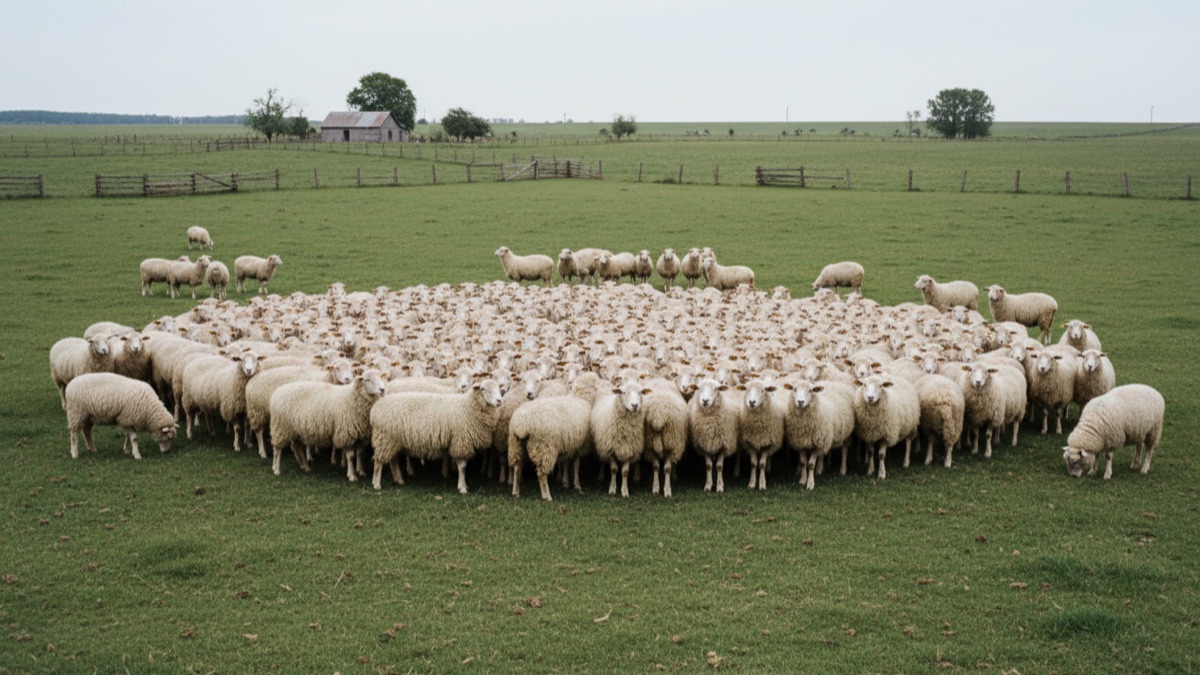
Herd immunity occurs when enough of a population becomes immune to an infectious disease — through vaccination or prior infection — that the disease can no longer spread easily, indirectly protecting those who are not immune.
It matters most for people who cannot be vaccinated themselves, such as newborns, people with certain medical conditions, or those with weakened immune systems, who rely on the immunity of people around them.
How the Threshold Actually Works
The percentage of a population that needs immunity to achieve herd protection depends on how contagious a disease is, measured by its basic reproduction number (R0) — the more contagious a disease, the higher the threshold needed.
Measles, one of the most contagious known diseases, requires roughly 95% population immunity to reliably prevent outbreaks, while less contagious diseases can be controlled with lower vaccination rates.
Why Herd Immunity Can Break Down
Herd immunity is not permanent or uniform — it can weaken in specific communities with lower vaccination rates even if the national average looks adequate, which is why localized outbreaks of vaccine-preventable diseases still occur.
Public health agencies track immunity gaps closely because a population sitting just below the needed threshold can still experience significant outbreaks, disproportionately affecting the most vulnerable.
Sources
- Centers for Disease Control and Prevention — public health explanation of herd immunity
- World Health Organization — global health guidance on herd immunity
- Mayo Clinic — clinical explanation with disease-specific thresholds
FAQ
What percentage of people need immunity for herd protection?
It depends on the disease's contagiousness — highly contagious diseases like measles need around 95% population immunity, while less contagious diseases require lower thresholds.
Who benefits most from herd immunity?
People who cannot be vaccinated themselves — including newborns, some immunocompromised individuals, and those with specific medical contraindications — depend most heavily on herd immunity for protection.
Can herd immunity fail even if the national rate looks high?
Yes. Immunity gaps concentrated in specific communities or regions can allow local outbreaks even when the overall national vaccination rate appears adequate.
About the Author
We reference the Centers for Disease Control and Prevention and the World Health Organization and Mayo Clinic to explain the background and current understanding of this topic.
Loved This Article?
Share it on WhatsApp → Share on WhatsApp
Get more guides in your inbox — Subscribe to our newsletter for weekly surprising stories from Egypt, Saudi Arabia, Dubai, and beyond.