Introduction
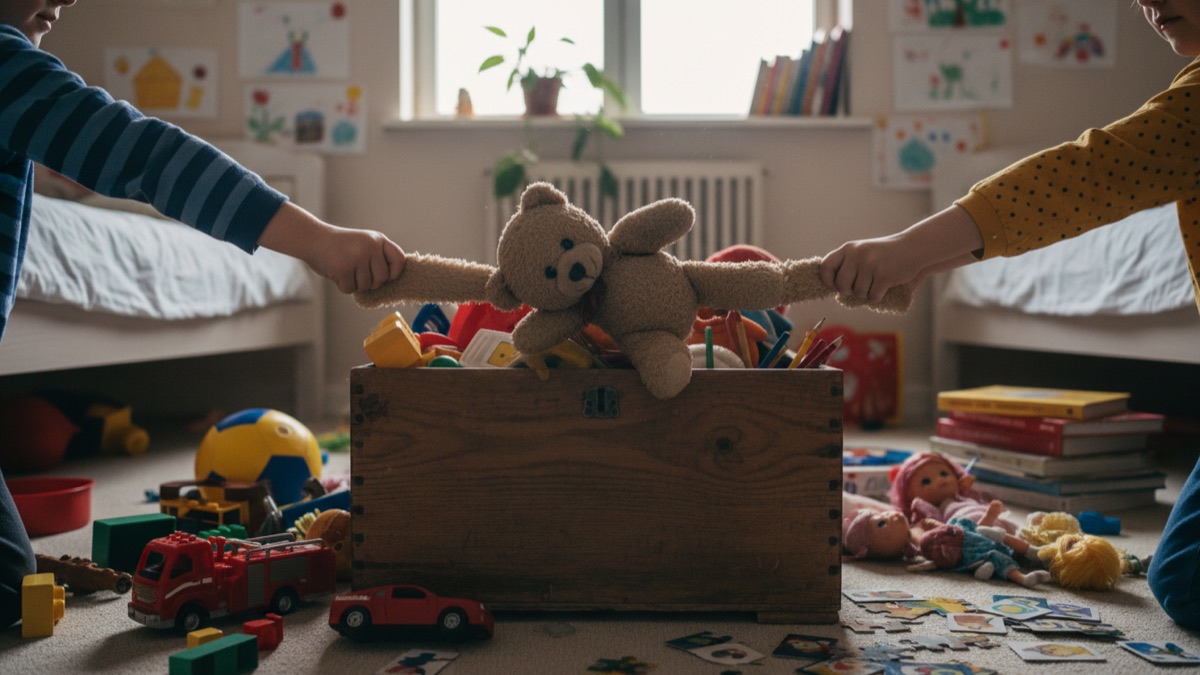
Sibling rivalry — competition, jealousy, and conflict between brothers and sisters — is one of the most consistently reported challenges parents raise with pediatricians and family therapists, yet child development research generally frames it as a normal, expected part of growing up in a multi-child household rather than a sign of parenting failure or a dysfunctional family.
Understanding why sibling rivalry happens, and which parental responses tend to help versus worsen it, can meaningfully reduce household stress and, according to some research, even support children's long-term social development rather than simply being something to endure until it passes.
Why Sibling Rivalry Happens
Developmental psychologists generally attribute sibling rivalry to a combination of factors: children's natural competition for parental attention and resources, developmentally normal difficulty regulating emotions like jealousy and frustration (particularly in younger children whose emotional regulation skills are still developing), and the introduction of a new sibling representing a genuine, significant disruption to an older child's previously exclusive relationship with parents.
Research also identifies specific factors that tend to intensify rivalry, including a close age gap between siblings (competition tends to be somewhat more intense between closely spaced siblings than widely spaced ones), perceived unequal treatment by parents, and children of the same sex, who research suggests sometimes compete more directly than mixed-sex sibling pairs, particularly during certain developmental stages.
Why Parental Comparison Backfires
A well-documented finding across family psychology research is that direct comparisons between siblings — even comparisons intended as encouragement, like "why can't you behave like your sister" — tend to significantly worsen rivalry and resentment, since they explicitly frame siblings as competitors for parental approval rather than as individuals valued on their own terms.
Researchers, including psychologists who study sibling dynamics extensively, generally recommend that parents actively avoid comparative language entirely, instead acknowledging each child's individual strengths, interests, and efforts separately, which research suggests reduces the perceived zero-sum competition that fuels much sibling conflict.
Equal Treatment Versus Fair Treatment
Family therapists commonly distinguish between treating children equally (giving identical treatment regardless of age, need, or circumstance) and treating children fairly (giving each child what they individually need, which will naturally differ by age and situation), a distinction many parents find genuinely useful for reducing perceived unfairness without resorting to impractical strict equality.
Explaining this distinction directly to children — for example, explaining that a teenager has a later bedtime than a younger sibling because of their different developmental needs, not favoritism — tends to reduce perceived unfairness more effectively than either strict identical treatment or leaving the reasoning for differential treatment unexplained.
Practical, Evidence-Informed Strategies
Family psychologists commonly recommend several practical approaches: giving each child dedicated one-on-one time with parents regularly, which research links to reduced rivalry by addressing the underlying competition for attention directly; avoiding immediately intervening in every minor sibling conflict, since research suggests children develop valuable conflict-resolution skills by navigating some disagreements independently; and setting clear, consistently enforced household rules about physical aggression and respectful communication that apply equally to all children regardless of birth order.
When parents do need to intervene in more serious conflicts, family therapists generally recommend focusing on teaching problem-solving skills rather than determining blame or a 'winner,' since research suggests this approach helps children develop genuine conflict-resolution abilities that serve them well beyond the immediate sibling relationship.
Sources
- American Academy of Pediatrics (HealthyChildren.org) — Clinical guidance on sibling rivalry causes and management strategies
- American Psychological Association — Family psychology research on sibling dynamics and parental comparison effects
- ZERO TO THREE — Child development research on early sibling relationships and emotional regulation
FAQ
Is sibling rivalry a sign of bad parenting?
No. Child development research generally frames sibling rivalry as a normal, expected part of growing up in a multi-child household, driven by developmentally typical competition for attention and emotional regulation challenges, not parenting failure.
Why does comparing siblings tend to backfire?
Even well-intentioned comparisons explicitly frame siblings as competitors for parental approval rather than individuals valued on their own terms, which research consistently finds worsens rivalry and resentment rather than motivating better behavior.
What's the difference between treating children equally and treating them fairly?
Equal treatment means identical treatment regardless of circumstance, while fair treatment means giving each child what they individually need, which naturally differs by age and situation, a distinction many family therapists find more practical.
Should parents intervene in every sibling argument?
Not necessarily. Research suggests children develop valuable conflict-resolution skills by navigating some minor disagreements independently, though parents should set consistent rules against physical aggression and step in for more serious conflicts.
What factors tend to intensify sibling rivalry?
Research identifies a close age gap between siblings, perceived unequal treatment by parents, and same-sex sibling pairs, who sometimes compete more directly, as factors that tend to intensify rivalry.
About the Author
doyouknow.app Editorial Team — We reference pediatric and family psychology research to explain sibling rivalry and evidence-based management strategies.
Loved This Article?
Share it on WhatsApp → Share on WhatsApp
Get more guides in your inbox — Subscribe to our newsletter for weekly surprising stories from Egypt, Saudi Arabia, Dubai, and beyond.