Introduction
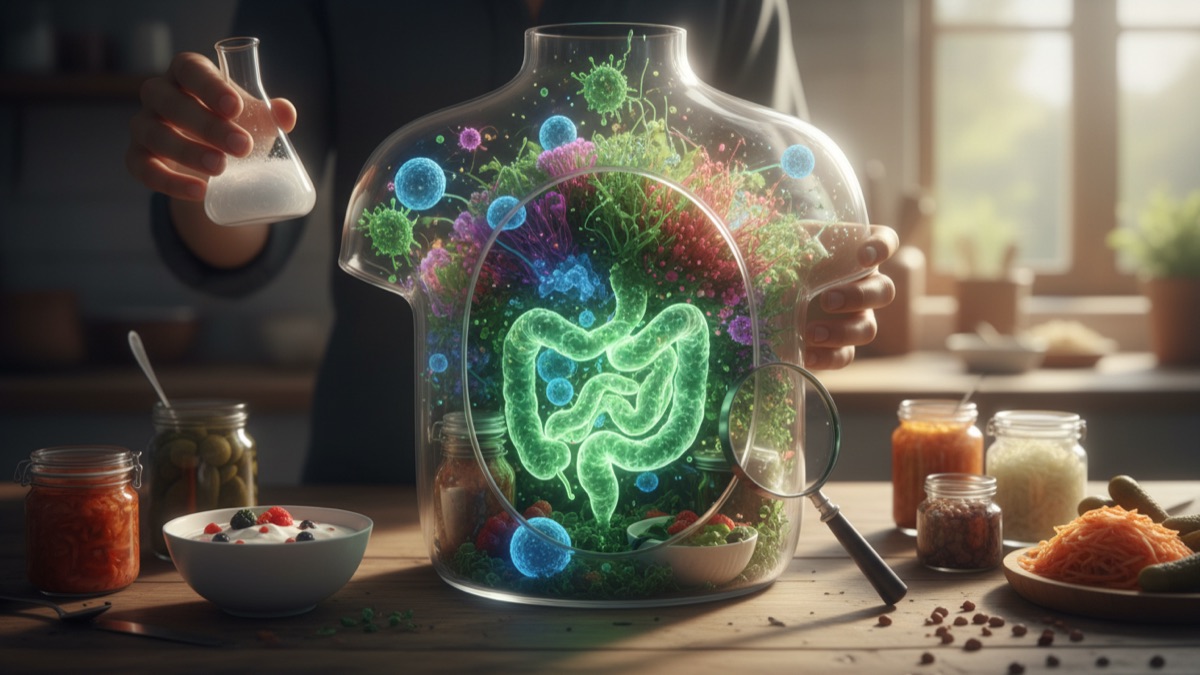
Probiotics are live microorganisms, most commonly specific strains of bacteria, that, when consumed in adequate amounts, are defined by the World Health Organization as conferring a genuine health benefit on the host. They're found in fermented foods like yogurt, kefir, sauerkraut, and kimchi, as well as in dedicated dietary supplements marketed for digestive and broader health benefits.
The scientific interest in probiotics stems from growing research into the gut microbiome, the trillions of bacteria and other microorganisms living in the human digestive tract, which researchers increasingly recognize as playing significant roles in digestion, immune function, and potentially other aspects of health beyond the gut itself.
How Probiotics Are Thought to Work
Researchers propose several mechanisms by which probiotics may benefit health: competing with harmful bacteria for space and nutrients in the gut, producing substances that inhibit harmful bacterial growth, strengthening the intestinal barrier that prevents harmful substances from passing into the bloodstream, and interacting with the immune system, since a substantial portion of immune tissue is located in and around the digestive tract.
Importantly, not all probiotics are the same; effects are generally considered strain-specific, meaning research findings for one specific bacterial strain (such as Lactobacillus rhamnosus GG) don't necessarily apply to other strains or species, even within the same broader bacterial genus, a nuance often lost in general marketing claims about 'probiotics' as a single unified category.
What the Evidence Actually Supports
Probiotic research shows genuinely mixed but specific results depending on the condition and strain studied. The strongest, most consistent evidence supports probiotic use for specific conditions: preventing or reducing antibiotic-associated diarrhea, managing certain symptoms of irritable bowel syndrome, and treating infectious diarrhea, particularly in children, according to systematic reviews published in major medical journals.
For many other commonly marketed claims, including general immune support, weight management, mental health benefits, and skin conditions, research remains considerably more limited, preliminary, or mixed, with major health organizations generally cautioning against broad claims that all probiotics benefit all aspects of health, since evidence quality varies enormously by specific strain, dose, and health condition studied.
Fermented Foods Versus Probiotic Supplements
Fermented foods like yogurt, kefir, and traditionally prepared kimchi and sauerkraut naturally contain live bacterial cultures, though the specific strains and quantities present can vary significantly by product and preparation method, and unlike dedicated supplements, these foods typically aren't formulated with a specific, measured dose of a research-studied strain.
Dietary supplements marketed as probiotics generally allow more precise control over the specific strain and dose consumed, which matters for conditions with strain-specific research support, though supplement quality and label accuracy can vary considerably, since probiotic supplements, like other dietary supplements, generally face less strict regulatory oversight than pharmaceutical medications in most countries.
Practical, Evidence-Based Guidance
Health professionals generally recommend that people considering probiotics for a specific health condition look for products or research studies specifying the exact bacterial strain (not just species) and dose used, since general 'probiotic' labeling without this specificity makes it difficult to know whether a product matches what was actually studied for a given health benefit.
For most healthy people without a specific digestive complaint, major nutrition organizations generally note that a varied diet rich in fiber (which feeds beneficial gut bacteria, sometimes called a 'prebiotic' effect) may support gut health as effectively as probiotic supplementation, though this remains an active area of ongoing microbiome research rather than a fully settled scientific conclusion.
Sources
- World Health Organization — Official definition of probiotics and health benefit criteria
- Harvard T.H. Chan School of Public Health — Nutrition science reference on probiotics and gut microbiome research
- US National Institutes of Health Office of Dietary Supplements — Evidence-based fact sheet on probiotic research and specific health conditions
FAQ
What exactly are probiotics?
Probiotics are live microorganisms, most commonly specific bacteria strains, that when consumed in adequate amounts, are defined by the World Health Organization as conferring a genuine health benefit, found in fermented foods and dietary supplements.
Do all probiotics have the same effects?
No. Effects are generally considered strain-specific, meaning research findings for one specific bacterial strain don't necessarily apply to other strains or species, even within the same bacterial genus.
What health conditions have the strongest probiotic research support?
The strongest evidence supports probiotic use for preventing antibiotic-associated diarrhea, managing certain irritable bowel syndrome symptoms, and treating infectious diarrhea, particularly in children, according to systematic reviews.
Are fermented foods as good as probiotic supplements?
Fermented foods naturally contain live bacterial cultures, but the specific strains and quantities vary by product, while supplements allow more precise control over strain and dose, which matters for strain-specific research applications.
Do probiotics help with general immune support or weight management?
Research remains considerably more limited and mixed for these broader claims compared to specific digestive conditions, and major health organizations caution against assuming all probiotics benefit all aspects of health.
About the Author
doyouknow.app Editorial Team — We reference WHO definitions and major nutrition science institutions to evaluate probiotic claims against the actual research evidence.
Loved This Article?
Share it on WhatsApp → Share on WhatsApp
Get more guides in your inbox — Subscribe to our newsletter for weekly surprising stories from Egypt, Saudi Arabia, Dubai, and beyond.