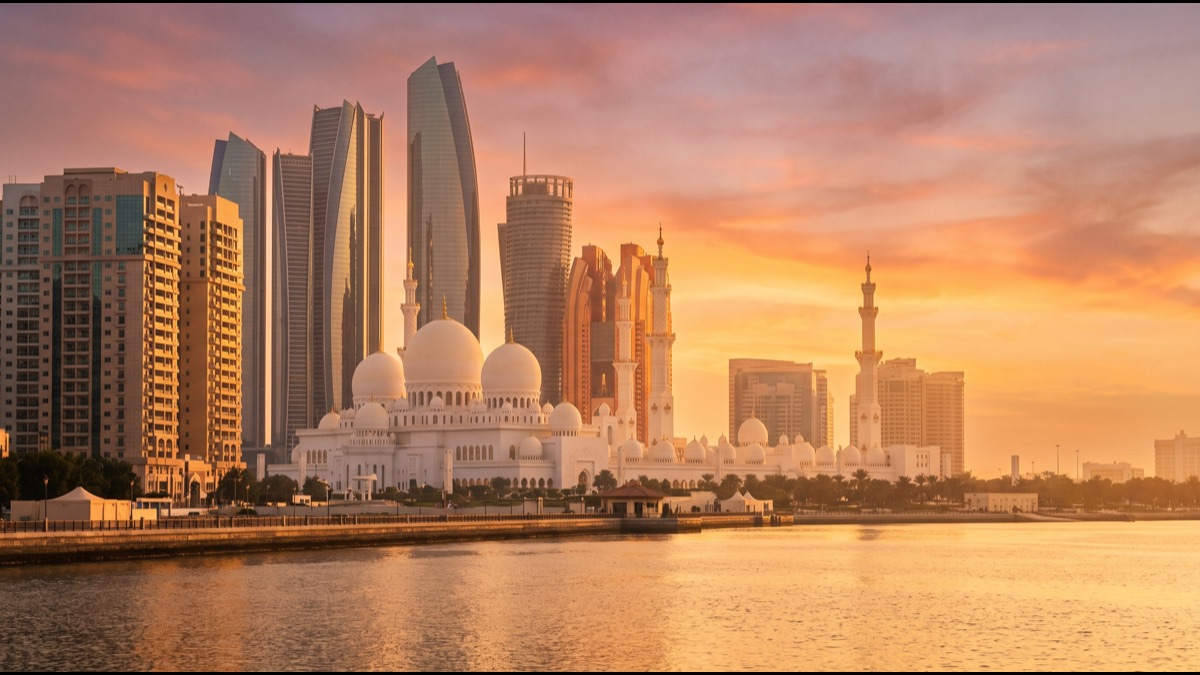
Why Visit Abu Dhabi?
Abu Dhabi is the capital of the United Arab Emirates and a city that surprises first-time visitors. While Dubai grabs headlines with its superlatives, Abu Dhabi offers a different flavor: vast cultural institutions, pristine beaches, thrilling theme parks, and a more relaxed pace that rewards travelers willing to explore beyond the obvious.
The city sits on an island in the Persian Gulf, connected to the mainland by several bridges. Its skyline blends modern glass towers with traditional Arabic architecture, and its cultural investments — from the Louvre Abu Dhabi to the Sheikh Zayed Grand Mosque — have placed it firmly on the global arts and tourism map.
Whether you are visiting for a weekend, adding it to a Dubai itinerary, or planning a dedicated Abu Dhabi travel experience, this guide covers everything you need to know.
Top Attractions & Landmarks
Abu Dhabi's attractions span culture, adventure, nature, and luxury. Here is a complete breakdown of the must-see sites and experiences.
Sheikh Zayed Grand Mosque
The Sheikh Zayed Grand Mosque is one of the largest mosques in the world and the defining landmark of Abu Dhabi. It can accommodate over 40,000 worshippers and features 82 white marble domes, 1,000 columns, and the world's largest hand-knotted carpet.
Visitor information: Entry is free for all visitors. Non-Muslims are welcome outside prayer times. Modest dress is strictly enforced: women must cover their hair, arms, and legs. Abayas are available for free at the entrance. The mosque is open daily from 9:00 AM to 10:00 PM, except Friday mornings when it is closed to tourists until after midday prayers.
Best time to visit: Arrive at sunset to see the mosque transition from golden daylight to illuminated evening grandeur. The white marble reflects the changing sky in spectacular fashion. Free guided tours run every hour and provide excellent context on the architecture and Islamic art.
Louvre Abu Dhabi
The Louvre Abu Dhabi is a masterpiece of contemporary museum design by architect Jean Nouvel. Its famous "rain of light" dome filters sunlight through geometric patterns, creating a meditative atmosphere that rivals the art inside.
The museum houses a permanent collection of 600 works spanning human civilization from prehistoric times to the present day. Highlights include Leonardo da Vinci's La Belle Ferronnière, a 3,000-year-old Egyptian sarcophagus, and a rotating program of loans from the Louvre Paris and other French institutions.
Tickets: AED 63 for adults, free for children under 18. The museum is closed on Mondays. Book tickets online in advance, especially during weekends and international holidays. Plan for at least 3–4 hours to explore the galleries properly.
Yas Island
Yas Island is Abu Dhabi's entertainment powerhouse, a purpose-built leisure island that hosts some of the most impressive attractions in the Middle East.
Ferrari World Abu Dhabi: Home to the world's fastest roller coaster, Formula Rossa, which launches from 0 to 240 km/h in 4.9 seconds. The park also features racing simulators, family rides, and an extensive collection of Ferrari cars. Ticket prices start at AED 295.
Yas Waterworld: An Emirati-themed water park with 40 rides and slides, including the world's first hydromagnetic-powered tornado waterslide. Perfect for families and thrill-seekers during the hot summer months. Tickets from AED 270.
Warner Bros. World Abu Dhabi: The world's largest indoor theme park, divided into six immersive lands including Gotham City, Metropolis, and Cartoon Junction. Ideal for families with children and comic book fans. Tickets from AED 310.
Yas Marina Circuit: Host of the annual Formula 1 Etihad Airways Abu Dhabi Grand Prix. Outside race weekends, visitors can drive a Formula 3000 car, take a passenger lap with a racing driver, or simply tour the pit lane and garages. The circuit also hosts the annual Yasalam after-race concerts featuring global music stars.
Yas Beach: A tranquil beachfront with cabanas, water sports, and sunset views. Entry is free for Yas Island hotel guests; day passes available for visitors.
Abu Dhabi Corniche
The Abu Dhabi Corniche is an 8-kilometer waterfront promenade that stretches from the Mina Zayed port area to the Emirates Palace hotel. It is the city's social heart, especially during the cooler months from October to April.
The Corniche features dedicated cycling and running paths, pristine beaches with lifeguards, children's play areas, cafes, and shaded seating. The skyline views across the water are spectacular, especially at dusk when the city lights begin to shimmer. Free public beaches are available, though paid beach clubs offer more amenities.
Corniche Beach: Flagged with Blue Flag status for water quality and safety. Sections include Al Sahil (free, no facilities), Family Beach (small fee, lifeguards, showers), and Emirates Palace Beach (exclusive to hotel guests and nearby residents).
Emirates Palace
Operated by Mandarin Oriental since 2020, Emirates Palace is one of the world's most famous hotels and a tourist attraction in its own right. The building cost approximately USD 3 billion to construct and features 1,000 Swarovski crystal chandeliers, 200 domes, and a private marina.
Even non-guests can visit the public areas, including the lobby, the coffee shop famous for its gold-flaked cappuccino, and the gardens. The hotel's beachfront and some restaurants are open to visitors with reservations. The architecture blends traditional Arabian palaces with modern luxury, and the evening light show on the facade is worth watching.
Qasr Al Watan
Qasr Al Watan is more than a palace — it is a working presidential palace that opens its doors to the public, offering unprecedented insight into Arab governance, culture, and craftsmanship. The building opened to visitors in 2019 and has quickly become one of Abu Dhabi's most compelling cultural experiences.
Highlights include the Great Hall with its stunning central dome and mirrored cubes, the House of Knowledge exhibiting gifts from visiting dignitaries, and the Palace in Motion evening light show projected on the facade. The palace library contains a rare collection of books and manuscripts on Arabian history, science, and arts.
Tickets: AED 60 for adults, AED 30 for children. The Palace in Motion show requires a separate ticket (AED 25). The palace is closed on certain state occasions, so check the official website before visiting.
Neighborhoods to Explore
Beyond the headline attractions, Abu Dhabi's neighborhoods offer distinct character and local experiences:
Al Maryah Island: Abu Dhabi's financial and luxury dining district. Home to The Galleria mall, upscale restaurants, and the Four Seasons hotel. The waterfront promenade is ideal for evening strolls.
Al Seef Village Mall & Mangroves: A boutique mall with a Mediterranean architectural style, surrounded by mangrove forests. Kayak through the Eastern Mangroves at sunrise for a serene escape from the city.
Saadiyat Island: Abu Dhabi's cultural district and beach destination. In addition to the Louvre, it will eventually host the Guggenheim Abu Dhabi and the Zayed National Museum. Saadiyat Beach is widely considered the best public beach in the UAE.
Mina Zayed & Fish Market: The old port area is being redeveloped but still offers authentic fish market experiences and the nearby Mina Market for fresh produce and dates.
Al Ain Oasis (day trip): A UNESCO World Heritage site located 90 minutes from Abu Dhabi city. The oasis features ancient falaj irrigation systems, date palm farms, and a traditional market. It provides a glimpse into the UAE's pre-oil heritage.
Where to Stay
Abu Dhabi's hotel scene ranges from ultra-luxury beach resorts to business-focused city hotels and budget-friendly options. Here is a breakdown by category:
| Category | Hotel | Location | Price Range (AED/night) |
|---|---|---|---|
| Ultra-Luxury | Emirates Palace Mandarin Oriental | Corniche | 2,500+ |
| Ultra-Luxury | Bulgari Resort & Residences | Jumeirah Bay Island | 2,000+ |
| Luxury | Four Seasons Al Maryah Island | Al Maryah | 1,200–1,800 |
| Luxury | Park Hyatt Abu Dhabi | Saadiyat Island | 1,000–1,500 |
| Luxury | St. Regis Saadiyat Island | Saadiyat Island | 1,000–1,400 |
| Mid-Range | Aloft Abu Dhabi | Al Karama | 400–600 |
| Mid-Range | Traders Hotel Qaryat Al Beri | Bain Al Jesrain | 500–700 |
| Budget | Centro Yas Island | Yas Island | 300–450 |
| Budget | Ibis Abu Dhabi Gate | Maqtaa | 250–350 |
Best area for first-time visitors: Yas Island if you want entertainment and theme parks; Saadiyat Island if you prefer culture and beaches; Corniche/Al Maryah if you want city-center dining and skyline views.
Where to Eat
Abu Dhabi's dining scene has evolved dramatically. You can now find everything from Michelin-starred international cuisine to humble Emirati cafeterias serving regag bread and luqaimat.
Fine Dining: Hakkasan (Emirates Palace) for modern Chinese, COYA Abu Dhabi (Al Maryah) for Peruvian, and Talea by Antonio Guida (Emirates Palace) for Italian. All require advance reservations.
Emirati Cuisine: Mezlai (Emirates Palace) serves elevated Emirati dishes in a traditional setting. For more authentic local food, visit Al Fanar Restaurant in Al Seef Village or the traditional eateries near the Mina Fish Market for grilled fish and machboos.
International: The Galleria on Al Maryah Island hosts a curated collection of international restaurants including Zuma, Cipriani, and LPM. Yas Mall and The Mall at World Trade Center offer reliable mid-range options.
Street Food & Cafes: Try karak chai (spiced milk tea) at any local cafeteria, falafel and shawarma from small shops in Al Khalidiyah, and fresh fruit juices from the stalls near the Corniche. The Abu Dhabi dates market near Mina Port is perfect for buying premium varieties like khalas and fardh.
Getting Around
Public Transport: Abu Dhabi has a comprehensive bus network operated by the Department of Transport. The main bus terminal is at Al Wahda Mall. Buses are air-conditioned, affordable, and cover most tourist areas. You need a Hafilat card to pay fares.
Taxis & Ride-Hailing: Taxis are widely available and metered. Careem and Uber operate extensively. A taxi from Abu Dhabi International Airport to the city center costs approximately AED 70–100. From Dubai to Abu Dhabi, expect AED 250–350 by taxi.
Car Rental: Driving is the most convenient way to explore Abu Dhabi and its surroundings. Roads are excellent, signage is in Arabic and English, and fuel is inexpensive. International visitors can drive with their home license if from a recognized country, or with an International Driving Permit.
Abu Dhabi to Dubai: The two cities are connected by the E11 highway (Sheikh Zayed Road). The drive takes approximately 90 minutes under normal traffic conditions. Public buses run frequently between Ibn Battuta Mall (Dubai) and Abu Dhabi Central Bus Station for AED 25.
Airport: Abu Dhabi International Airport (AUH) is the main hub, served by Etihad Airways and dozens of international carriers. It is approximately 30 minutes from the city center. A second airport, Zayed International Airport (the new terminal), began phased operations in 2024 and will eventually replace the old terminal.
Day Trips from Abu Dhabi
Abu Dhabi's location makes it an excellent base for exploring the wider emirate and neighboring regions:
Al Ain (90 min): Known as the Garden City, Al Ain features the UNESCO-listed oasis, Jebel Hafit mountain (drive to the summit for panoramic views), Al Ain Zoo, and the Al Jahili Fort. It is a completely different landscape from coastal Abu Dhabi.
Liwa Oasis (2.5 hours): Deep in the Empty Quarter (Rub' al Khali), Liwa offers the world's tallest sand dunes, desert camping, and the annual Liwa Date Festival. The Moreeb Dune stands over 300 meters tall and is a favorite for dune bashing and photography.
Sir Bani Yas Island (2.5 hours + ferry): A wildlife reserve with free-roaming giraffes, cheetahs, and Arabian oryx. The island is home to the Anantara resort and offers unique safari experiences. Access is via a ferry from Jebel Dhanna.
Dubai (90 min): Many visitors base themselves in Abu Dhabi for the quieter atmosphere and take day trips to Dubai for specific attractions like the Burj Khalifa, Dubai Mall, and Atlantis. The reverse is also common.
Desert Safaris: Multiple operators offer half-day and full-day desert experiences from Abu Dhabi, including dune bashing, camel riding, sandboarding, and Bedouin-style camp dinners with traditional entertainment.
Practical Travel Tips
Best time to visit: November to March offers the most pleasant weather, with daytime temperatures between 20°C and 30°C. April and October are transitional months with occasional hot days. May through September is extremely hot (often above 40°C), but indoor attractions are heavily air-conditioned and hotels offer significant discounts.
Dress code: Abu Dhabi is more conservative than Dubai. Modest dress is appreciated in public areas, especially near mosques and government buildings. Beachwear is acceptable only at pools and beaches. Shoulders and knees should be covered in malls and restaurants.
Currency: The UAE Dirham (AED) is pegged to the US dollar at 3.67 AED = 1 USD. Credit cards are accepted almost everywhere. Tipping is not mandatory but appreciated (10% in restaurants, AED 5–10 for hotel staff and taxi drivers).
Language: Arabic is the official language, but English is universally spoken in hotels, restaurants, shops, and tourist sites. Road signs and menus are bilingual.
Safety: Abu Dhabi is consistently ranked among the safest cities in the world. Violent crime is extremely rare. Standard precautions for pickpockets apply in crowded tourist areas.
Alcohol: Alcohol is available in licensed hotel bars and restaurants. It is illegal to drink in public spaces, and public intoxication is an offense. Non-Muslim residents can apply for an alcohol license, but tourists do not need one to drink in licensed venues.
Friday schedules: Many shops and attractions open later on Fridays due to the midday prayer. Plan accordingly, especially for the Sheikh Zayed Grand Mosque, which opens to tourists only after 12:00 PM on Fridays.
FAQ
Should I visit Abu Dhabi or Dubai?
Both cities offer unique experiences. Dubai is more internationally famous, with mega-malls, the Burj Khalifa, and a party atmosphere. Abu Dhabi offers world-class museums, a more relaxed pace, better beaches, and lower prices. Most visitors combine both cities into a single trip, as they are only 90 minutes apart by car.
How many days do I need in Abu Dhabi?
Three to four days is ideal for a first visit. This allows time for the Sheikh Zayed Grand Mosque, Louvre Abu Dhabi, one or two Yas Island theme parks, the Corniche, and a day trip to Al Ain or the desert. A two-day trip covers the highlights but feels rushed.
What is the best time to visit Abu Dhabi?
November to March is the best period, with pleasant temperatures ideal for outdoor activities. December and January are peak season with higher hotel prices. April and October offer good value with manageable heat. Summer (June–September) is extremely hot but offers the cheapest hotel rates and minimal crowds at indoor attractions.
Can non-Muslims visit the Sheikh Zayed Grand Mosque?
Yes, the mosque is open to visitors of all faiths outside prayer times. Entry is free. Modest dress is mandatory: women must cover hair, arms, and legs (free abayas are available at the entrance). Guided tours run every hour and are highly recommended for understanding the architecture and symbolism.
Is Yas Island worth visiting without kids?
Absolutely. Ferrari World appeals to thrill-seekers of all ages with the world's fastest roller coaster. The Yas Marina Circuit hosts the Abu Dhabi Grand Prix and offers adult driving experiences. Yas Beach and the waterfront dining at Yas Bay provide a relaxed evening atmosphere. The Warner Bros. park is admittedly more child-focused, but the island's concert venues and nightlife draw adult crowds regularly.
Is Abu Dhabi cheaper than Dubai?
Generally yes. Hotel rates, restaurant prices, and taxi fares are 10–20% lower than equivalent options in Dubai. Theme park tickets are comparable. The free admission to the Sheikh Zayed Grand Mosque and affordable Louvre tickets make Abu Dhabi particularly budget-friendly for culture-focused travelers.
How do I get from Dubai to Abu Dhabi?
The easiest options are: rental car (90 minutes, AED 100–150 in fuel), taxi (AED 250–350), or public bus (AED 25, 90–120 minutes from Ibn Battuta Mall). There is no passenger train between the cities yet, though the UAE Etihad Rail project is under construction and will eventually connect them.
What should I wear in Abu Dhabi?
Modest clothing covering shoulders and knees is recommended in public areas. At beaches and pools, standard swimwear is acceptable. For the Sheikh Zayed Grand Mosque, women must cover hair, arms, and legs completely. Men should wear long trousers and avoid sleeveless shirts in mosques and government buildings.
Is Abu Dhabi safe for solo female travelers?
Yes. Abu Dhabi is consistently ranked among the safest cities globally. Solo female travelers report feeling secure in hotels, taxis, and public spaces. Standard precautions apply: avoid poorly lit areas late at night, share your itinerary with someone, and respect local dress norms.
Can I perform Umrah from Abu Dhabi?
Yes, many Muslim visitors combine their Abu Dhabi trip with Umrah in Makkah. The drive from Abu Dhabi to Makkah takes approximately 16–18 hours, so most travelers fly from Abu Dhabi International Airport to Jeddah (90 minutes) and then travel to Makkah by road or bus. Ensure you have the correct Umrah visa or tourism visa that permits pilgrimage.
Sources
- Visit Abu Dhabi — Official Tourism Authority — Official visitor information, attraction details, and event calendars
- Sheikh Zayed Grand Mosque Center — Official mosque visitor guidelines, tour schedules, and cultural programs
- Louvre Abu Dhabi — Museum collections, ticket prices, and exhibition schedules
- Yas Island — Theme park information, tickets, and event listings
- Qasr Al Watan — Palace visitor information, tour schedules, and ticket booking
- Emirates Palace Mandarin Oriental — Hotel visitor access, dining, and architectural highlights
- Department of Culture and Tourism — Abu Dhabi — Official government tourism policies, heritage sites, and cultural initiatives
About the Author
doyouknow.app AI-assisted Editorial Workflow — This article was prepared with AI-assisted research and editing, using the sources listed on the page. It is not based on firsthand testing, on-the-ground reporting, or a claim of personal experience or professional credentials. Please check official sources for current details.
Loved This Article?
Share it on WhatsApp → Share on WhatsApp
Get more UAE travel guides in your inbox — Subscribe to our newsletter for weekly facts, hidden gems, and travel tips from Dubai, Abu Dhabi, and beyond.
Related Reading
- Louvre Abu Dhabi: Art, Architecture & Visitor Guide
- Yas Island Abu Dhabi: Theme Parks, Hotels & Entertainment
- Sheikh Zayed Grand Mosque: Complete Visitor Guide
- Dubai vs Abu Dhabi: Which City Should You Visit?
- Hidden Gems in the UAE: Secret Spots Locals Love
- Dubai Tourist Visa Guide: All 11 UAE Visa Types Explained
- How to Save Money in Dubai: 25 Practical Tips