Why Timing Matters for Your Dubai Trip
Dubai is one of the most visited cities on Earth, welcoming over 17 million tourists annually. But timing your visit can make the difference between an unforgettable experience and a trip spent darting between air-conditioned buildings. This complete seasonal guide to Dubai breaks down the best time to visit based on weather, events, budgets, and personal travel style.
Located on the southeastern coast of the Arabian Peninsula, Dubai experiences a desert climate with two distinct seasons: a hot summer and a mild winter. Summer temperatures regularly exceed 40°C, while winter days hover around a pleasant 24°C. Understanding these seasonal shifts is essential for planning outdoor activities, booking accommodation, and budgeting your trip.
Beyond the weather, Dubai's calendar is packed with world-class events. From the Dubai Shopping Festival in winter to New Year's Eve fireworks at the Burj Khalifa, from Ramadan evening experiences to Eid celebrations, the city transforms throughout the year. This guide will help you align your visit with the experiences that matter most to you.
Winter in Dubai: November to March — The Peak Season
Winter is hands-down the best time to visit Dubai. From November through March, daytime temperatures range from 20°C to 28°C, with cool evenings that rarely drop below 15°C. The humidity is low, the skies are clear, and the Persian Gulf is warm enough for swimming.
This is when Dubai truly shines. The city's outdoor attractions — desert safaris, beach clubs, rooftop dining, golf courses, and water parks — are all in full swing. The Dubai Shopping Festival runs through December and January, drawing millions of visitors with massive discounts, raffle draws, and nightly entertainment. New Year's Eve at the Burj Khalifa is one of the world's most spectacular fireworks displays.
However, peak season means peak prices. Hotel rates can be 50-100% higher than summer, and popular restaurants require reservations weeks in advance. If you are visiting in December or January, book accommodation at least two months ahead. The upside is that every attraction is open, every tour is running, and the city buzzes with energy.
Best for: First-time visitors, families, outdoor enthusiasts, shoppers, luxury travelers
Weather: 20°C to 28°C, sunny, low humidity
Events: Dubai Shopping Festival, New Year's Eve, Dubai Food Festival, Dubai Marathon
Spring in Dubai: April to May — The Shoulder Season
April and May represent a transitional period. Temperatures climb from the high 20s into the mid-30s, and humidity begins to rise. The first half of April still feels like winter, while May is decidedly hot. This shoulder season offers a compromise: lower hotel rates than peak season, manageable weather for outdoor activities in early April, and thinner crowds.
April is ideal for visitors who want to avoid the winter crowds without facing summer heat. Beach weather is still excellent, desert camps are operating, and hotel rates drop by 20-30% compared to January. By late May, however, outdoor sightseeing becomes uncomfortable, and the city begins to shift toward indoor-focused entertainment.
Best for: Budget-conscious travelers who want good weather, repeat visitors
Weather: 25°C to 38°C, rising humidity
Events: Eid al-Fitr (dates vary), Dubai Canvas (street art festival)
Summer in Dubai: June to September — The Off-Season
Summer in Dubai is not for the faint of heart. From June through September, daytime temperatures routinely exceed 40°C, and humidity can reach 90% in August and September. Walking outdoors for more than 10 minutes is genuinely uncomfortable. The sea temperature reaches 33°C, making beach visits unpleasant.
But summer is not without its advantages. This is when Dubai offers its deepest discounts. Hotel rates drop by 40-60%, luxury hotels offer summer packages with dining credits, and flight prices are at their lowest. The city is quieter, queues at attractions are shorter, and service staff have more time to attend to guests.
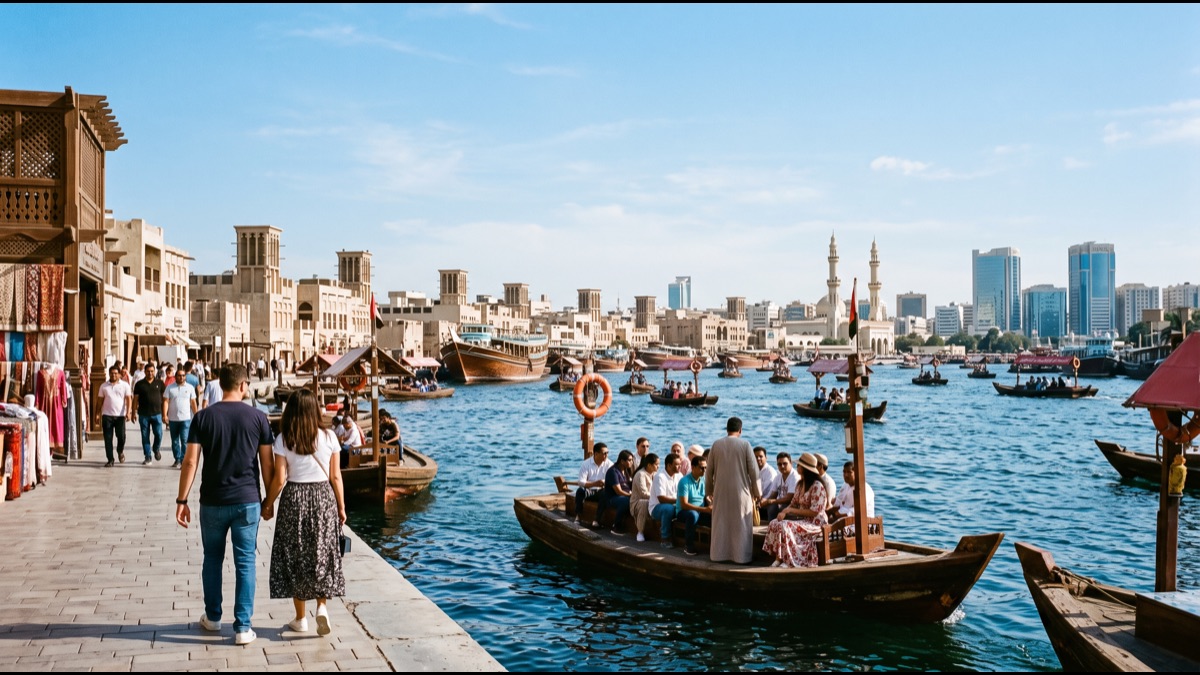
The key to a successful summer visit is planning around indoor attractions. Dubai's malls are not just shopping centers — they are entertainment complexes with aquariums, ice rinks, theme parks, and world-class dining. The Museum of the Future, Dubai Frame, and IMG Worlds of Adventure are all fully air-conditioned. Evenings, when temperatures drop slightly, are perfect for dhow cruises along Dubai Creek or Marina walks.
Best for: Budget travelers, indoor-focused visitors, spa and wellness seekers
Weather: 33°C to 45°C, extreme humidity in August-September
Events: Dubai Summer Surprises (July-August), Eid al-Adha (dates vary)
Autumn in Dubai: October — The Recovery Month
October is Dubai's recovery month. Temperatures drop from the mid-30s to the high 20s, humidity begins to decline, and the city slowly reawakens after its summer hibernation. Outdoor dining terraces reopen, beach clubs resume full operations, and the first major events of the season begin to appear on the calendar.
October offers a sweet spot for visitors. Hotel rates have not yet reached winter peaks, the weather is pleasant for outdoor exploration, and the city's energy is building toward the winter season. It is an excellent time for a relaxed visit without the December crowds.
Best for: Couples, photographers, travelers seeking a quieter experience
Weather: 26°C to 35°C, decreasing humidity
Events: Dubai Fitness Challenge (late October), Halloween events
Ramadan Considerations for Visitors
Ramadan, the Islamic holy month of fasting, shifts approximately 10 days earlier each year on the Gregorian calendar. During this month, Muslims fast from dawn to sunset, abstaining from food, drink, and smoking. For visitors, Ramadan offers a unique cultural experience but requires some adjustments.
Most restaurants and cafes remain open for tourists, particularly in hotels and tourist areas. However, some smaller establishments may close during daylight hours or operate behind curtains. Supermarkets and food delivery services function normally. The real magic of Ramadan happens after sunset. Iftar (the meal breaking the fast) is a communal celebration, and many hotels offer elaborate iftar buffets that are open to all. The evenings are lively, with night markets, extended shopping hours, and special Ramadan tents offering traditional entertainment.
Non-Muslim visitors should dress more modestly than usual during Ramadan and avoid eating, drinking, or smoking in public during daylight hours as a sign of respect. The workday shifts, with many businesses opening later and closing earlier. The upside is that evenings have a festive, communal atmosphere unlike any other time of year.
Dubai Shopping Festival
The Dubai Shopping Festival (DSF) is one of the world's largest shopping and entertainment events, typically running from mid-December to late January. What started as a retail promotion in 1996 has evolved into a city-wide festival encompassing fireworks, concerts, raffles, cultural events, and family entertainment.
DSF offers genuine discounts across all major malls and retail districts. Malls extend their hours until midnight or later, and daily raffle draws offer prizes ranging from gold bars to luxury cars. The Global Village, a seasonal multicultural theme park, operates during this period, offering pavilions from over 90 countries with food, crafts, and live performances.
For shoppers, DSF is unbeatable. For non-shoppers, the festival atmosphere, fireworks, and entertainment make it worth experiencing at least once. Be prepared for large crowds, especially on weekends and during the final week when discounts deepen.
New Year's Eve in Dubai
Dubai's New Year's Eve celebration is one of the most anticipated events on the global calendar. The centerpiece is the Burj Khalifa fireworks and laser show, which draws hundreds of thousands of spectators to Downtown Dubai. Hotels with Burj Khalifa views sell out months in advance, and premium viewing spots command premium prices.
Beyond the Burj Khalifa, the city hosts simultaneous fireworks at the Palm Jumeirah, Dubai Frame, and various beach clubs. Restaurants, yachts, and desert camps offer NYE packages ranging from casual to ultra-luxury. The atmosphere is electric, the production values are world-class, and the memories last a lifetime.
The downside is cost and crowds. Expect to pay 2-3x normal rates for accommodation, and book dining reservations at least two months ahead. Traffic around Downtown is gridlocked from early evening, so plan to arrive early or use the metro.
Eid Holidays and Festivities
Dubai celebrates two Eid holidays: Eid al-Fitr (marking the end of Ramadan) and Eid al-Adha (the feast of sacrifice). Both are public holidays in the UAE, and the city transforms with decorations, special events, and extended family celebrations.
Eid al-Fitr typically features fireworks at multiple locations, theme park promotions, mall festivities, and traditional performances. Eid al-Adha coincides with the Hajj pilgrimage and is marked by communal prayers, feasts, and charitable giving. For visitors, both Eids offer a chance to experience Emirati culture and hospitality. Many attractions offer special Eid packages, and hotels often include festive dining experiences.
Since both Eids follow the Islamic lunar calendar, dates shift approximately 10 days earlier each Gregorian year. Check the exact dates before booking, as some businesses operate on reduced hours during the first few days of each Eid.
Summer Indoor Activities
Dubai's indoor attractions are designed to impress even in the hottest months. Here are the best air-conditioned experiences for summer visitors:
- Dubai Mall: Beyond shopping, it houses the Dubai Aquarium, an Olympic-sized ice rink, VR Park, and over 200 dining options.
- Ski Dubai: An indoor ski resort inside Mall of the Emirates with real snow, ski slopes, and penguin encounters.
- Museum of the Future: An architectural marvel offering immersive exhibits on technology, space, and human potential.
- IMG Worlds of Adventure: The world's largest indoor theme park, featuring Marvel and Cartoon Network zones.
- Dubai Frame: A 150-meter observation bridge offering panoramic views of old and new Dubai.
- AYA Universe: An immersive digital art experience in WAFI Mall.
- iFLY Dubai: Indoor skydiving in a vertical wind tunnel.
- Green Planet: An indoor tropical rainforest bio-dome at City Walk.
Off-Season Deals and Savings
Traveling to Dubai during summer or the Islamic holy months can unlock significant savings. Five-star hotels that charge AED 1,500 per night in January often drop to AED 600-800 in July and August. Many properties offer "summer staycation" packages that include dining credits, spa treatments, or pool access.
Flight prices follow a similar pattern. Economy fares from Europe and Asia can be 30-50% cheaper in summer compared to December. Tour operators also reduce prices for desert safaris, dhow cruises, and city tours during the off-season.
The strategy for off-season travel is simple: book a hotel with excellent facilities, plan indoor activities during peak heat hours (11 AM to 4 PM), schedule outdoor exploration for early mornings and evenings, and stay hydrated. With the right planning, you can experience Dubai's best at a fraction of the cost.
Dubai Weather by Month
| Month | Avg High | Avg Low | Humidity | Best For |
|---|---|---|---|---|
| January | 24°C | 15°C | 65% | Outdoor everything, DSF |
| February | 25°C | 16°C | 62% | Desert safaris, beaches |
| March | 28°C | 18°C | 58% | Golf, water sports |
| April | 33°C | 21°C | 55% | Beach clubs, early outdoor |
| May | 38°C | 25°C | 60% | Shoulder season deals |
| June | 40°C | 28°C | 65% | Indoor attractions, low rates |
| July | 41°C | 30°C | 70% | Malls, museums, spas |
| August | 42°C | 31°C | 75% | Lowest hotel prices |
| September | 39°C | 28°C | 72% | Indoor focus, emerging deals |
| October | 35°C | 24°C | 65% | Transition month, good value |
| November | 31°C | 20°C | 60% | Perfect weather returns |
| December | 26°C | 17°C | 65% | Peak season, NYE, DSF |
FAQ
What is the best month to visit Dubai?
November to March is widely considered the best time to visit Dubai. Daytime temperatures range from 20°C to 28°C, making it ideal for outdoor activities, beach visits, and desert safaris. December and January are particularly popular due to holiday events and the Dubai Shopping Festival.
Is Dubai too hot in summer?
Yes, Dubai summers are extremely hot. From June to September, temperatures regularly exceed 40°C and humidity can reach 90%. While outdoor sightseeing is uncomfortable, summer offers the lowest hotel rates and indoor attractions like malls, aquariums, and ski slopes are fully air-conditioned.
When is the cheapest time to visit Dubai?
June to August offers the cheapest hotel rates and flight deals, with discounts of 40-60% compared to peak season. The trade-off is extreme heat, but budget travelers who plan indoor-focused itineraries can save significantly.
What happens during Ramadan in Dubai?
During Ramadan, Muslims fast from dawn to sunset. Most restaurants remain open for tourists, though some daytime dining options may be limited. Evening hours come alive with iftar buffets, night markets, and special events. Non-Muslim visitors should dress modestly and avoid eating or drinking in public during daylight hours as a sign of respect.
When is the Dubai Shopping Festival?
The Dubai Shopping Festival typically runs from December to January, lasting about six weeks. It features massive discounts across malls, raffle draws for luxury cars and gold, fireworks displays, live concerts, and family entertainment across the city.
Is New Year's Eve in Dubai worth it?
Absolutely. Dubai hosts one of the world's most spectacular New Year's Eve celebrations, with the Burj Khalifa fireworks being the centerpiece. Hotels with Burj views sell out months in advance, and beach clubs, restaurants, and yachts offer premium packages. Expect premium pricing and large crowds.
What are the best indoor activities in summer?
Dubai's indoor attractions are world-class. Top summer options include the Dubai Mall (with aquarium and ice rink), Ski Dubai, Museum of the Future, IMG Worlds of Adventure, Dubai Frame, indoor skydiving at iFLY, and the immersive art experiences at AYA Universe. Most malls and hotels are connected via metro or taxi.
What should I pack for Dubai in winter?
Winter days in Dubai are warm and pleasant, so pack light clothing, sunglasses, and sunscreen. Evenings can be cool, especially in desert areas, so bring a light jacket or sweater. Swimwear is fine at beaches and pools, but pack modest clothing for malls, mosques, and older neighborhoods. Comfortable walking shoes are essential.
Sources
- Visit Dubai — When to Visit — Official tourism board guidance on Dubai's seasons and weather.
- Dubai Shopping Festival Official — Dates, events, and participating malls for DSF.
- AccuWeather Dubai — Historical weather data and monthly averages for Dubai.
- Burj Khalifa Official — New Year's Eve event details and ticket information.
- Time Out Dubai — Local event listings and seasonal activity guides.
- Dubai Department of Tourism and Commerce Marketing — Official travel statistics and visitor information.
About the Author
The doyouknow.app Editorial Team specializes in travel planning, destination guides, and seasonal insights for the UAE, Saudi Arabia, and the wider Gulf region. We monitor weather patterns, event calendars, and travel trends to help you plan trips that match your budget and interests.
Loved This Article?
Share it on WhatsApp → Share on WhatsApp
Get more UAE travel guides in your inbox — Subscribe to our newsletter for weekly travel tips, Dubai updates, and curated guides from the Gulf.