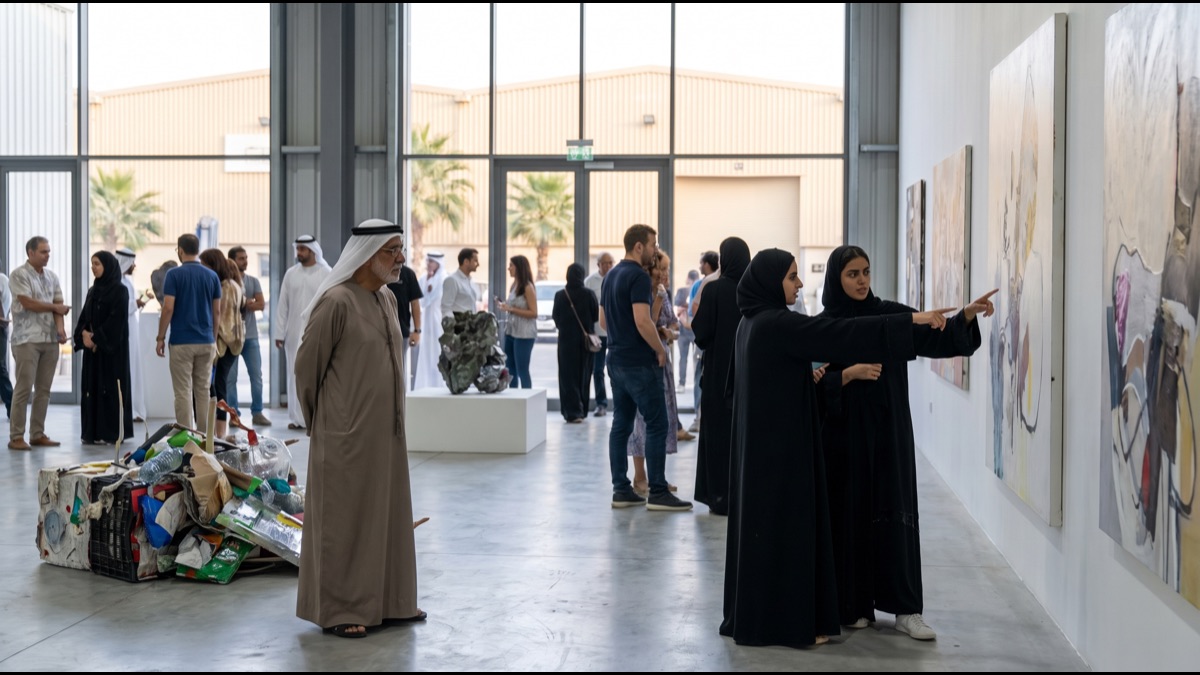
Dubai is often introduced through skyline photographs, luxury hotels, and record-breaking architecture, yet the city is also one of the Gulf region’s most active cultural laboratories. Its art scene is not confined to one museum quarter. It is spread across converted warehouses in Al Quoz, heritage lanes in Al Fahidi, independent galleries, design studios, public art commissions, libraries, festivals, and museums that explain how a trading port became a global city.
The best way to understand Dubai culture is to move between old and new rather than choosing one side. Spend a morning in Al Fahidi and the creek markets, then cross the city to Alserkal Avenue for contemporary galleries, cinema, talks, and design-led cafes. Add a museum, a performance, or a seasonal fair, and the city begins to feel less like a collection of attractions and more like a network of creative neighborhoods.
This guide is written for travelers, residents, students, and repeat visitors who want more than a quick photo stop. It explains the major art districts, how museums fit into the route, where to start if you are new to galleries, and how to plan a culture-focused day without wasting time in traffic.
Table of Contents
Why Dubai Culture Matters Now
Dubai’s cultural identity is shaped by trade, migration, Arabic heritage, South Asian influence, Iranian and East African links, and a young global creative class. For Dubai Art & Culture Scene, this matters because the city is large, seasonal, and built around districts with very different rhythms.
Dubai’s cultural identity is: Dubai’s cultural identity is shaped by trade, migration, Arabic heritage, South Asian influence, Iranian and East African links, and a young global creative class. Before you commit, compare the official source, the transport plan, and the likely crowd level so the experience matches the day you actually want.
The city invests in: The city invests in museums and cultural programming, but many of the most interesting spaces are independent or semi-independent rather than monumental. A useful Dubai plan also leaves space for weather, prayer-time pauses, school-holiday crowds, valet queues, and the simple fact that moving across the city takes energy.
Art in Dubai often: Art in Dubai often works as a conversation between local memory and international ambition, which makes galleries and festivals useful windows into the city. Residents can turn this into a repeatable routine, while visitors should treat it as a way to choose fewer, better stops instead of chasing every famous name.
Visitors who only see: Visitors who only see malls and towers miss the slower layer of calligraphy, design, craft, archives, and neighborhood storytelling. The best result is not a perfect checklist. It is a day that feels considered, flexible, and specific to your group.
If you are unsure, choose the option with the clearest logistics. In Dubai, convenience is not a small detail; it often decides whether a plan feels polished or exhausting.
Alserkal Avenue and Al Quoz
Alserkal Avenue is the easiest starting point for contemporary art because many galleries, studios, project spaces, cafes, and concept stores sit within a walkable warehouse district. For Dubai Art & Culture Scene, this matters because the city is large, seasonal, and built around districts with very different rhythms.
Alserkal Avenue is the: Alserkal Avenue is the easiest starting point for contemporary art because many galleries, studios, project spaces, cafes, and concept stores sit within a walkable warehouse district. Before you commit, compare the official source, the transport plan, and the likely crowd level so the experience matches the day you actually want.
The area works best: The area works best when you check current exhibitions before visiting, because the experience changes with openings, talks, film screenings, pop-ups, and design events. A useful Dubai plan also leaves space for weather, prayer-time pauses, school-holiday crowds, valet queues, and the simple fact that moving across the city takes energy.
Al Quoz still feels: Al Quoz still feels industrial in places, which is part of the appeal: art spaces sit beside workshops, storage units, and small manufacturing businesses. Residents can turn this into a repeatable routine, while visitors should treat it as a way to choose fewer, better stops instead of chasing every famous name.
First-time visitors should allow: First-time visitors should allow half a day, wear comfortable shoes, and leave time for the surrounding streets rather than treating the Avenue as a single building. The best result is not a perfect checklist. It is a day that feels considered, flexible, and specific to your group.
If you are unsure, choose the option with the clearest logistics. In Dubai, convenience is not a small detail; it often decides whether a plan feels polished or exhausting.
Museums, Heritage Houses, and Archives
Dubai’s museums explain the city through pearl diving, creek trade, early urban life, archaeology, architecture, coins, schools, and family houses. For Dubai Art & Culture Scene, this matters because the city is large, seasonal, and built around districts with very different rhythms.
Dubai’s museums explain the: Dubai’s museums explain the city through pearl diving, creek trade, early urban life, archaeology, architecture, coins, schools, and family houses. Before you commit, compare the official source, the transport plan, and the likely crowd level so the experience matches the day you actually want.
Al Shindagha and Al: Al Shindagha and Al Fahidi are the most useful heritage anchors because they place museums within older urban fabric instead of isolating them from the street. A useful Dubai plan also leaves space for weather, prayer-time pauses, school-holiday crowds, valet queues, and the simple fact that moving across the city takes energy.
The Etihad Museum adds: The Etihad Museum adds a national story about the UAE’s formation, while the Museum of the Future presents a very different cultural language built around speculation and design. Residents can turn this into a repeatable routine, while visitors should treat it as a way to choose fewer, better stops instead of chasing every famous name.
Museum hours and temporary: Museum hours and temporary galleries can change, so official pages should be checked before planning a tightly timed day. The best result is not a perfect checklist. It is a day that feels considered, flexible, and specific to your group.
If you are unsure, choose the option with the clearest logistics. In Dubai, convenience is not a small detail; it often decides whether a plan feels polished or exhausting.
Galleries and Collecting Culture
Dubai galleries range from blue-chip contemporary spaces to experimental programs that support emerging artists from the Gulf, South Asia, Africa, and the wider Arab world. For Dubai Art & Culture Scene, this matters because the city is large, seasonal, and built around districts with very different rhythms.
Dubai galleries range from: Dubai galleries range from blue-chip contemporary spaces to experimental programs that support emerging artists from the Gulf, South Asia, Africa, and the wider Arab world. Before you commit, compare the official source, the transport plan, and the likely crowd level so the experience matches the day you actually want.
Gallery visits are usually: Gallery visits are usually free, quiet, and more welcoming than many beginners expect; staff are used to students, tourists, and curious residents. A useful Dubai plan also leaves space for weather, prayer-time pauses, school-holiday crowds, valet queues, and the simple fact that moving across the city takes energy.
Opening nights, artist talks,: Opening nights, artist talks, and fair weeks are the best moments to understand the social side of the scene. Residents can turn this into a repeatable routine, while visitors should treat it as a way to choose fewer, better stops instead of chasing every famous name.
If you are thinking: If you are thinking about collecting, start by learning artists, editions, provenance, and gallery programs before discussing budgets. The best result is not a perfect checklist. It is a day that feels considered, flexible, and specific to your group.
If you are unsure, choose the option with the clearest logistics. In Dubai, convenience is not a small detail; it often decides whether a plan feels polished or exhausting.
Culture by Neighborhood
Al Fahidi is best for heritage lanes, courtyards, small museums, coffee stops, and creek-side walking. For Dubai Art & Culture Scene, this matters because the city is large, seasonal, and built around districts with very different rhythms.
Al Fahidi is best: Al Fahidi is best for heritage lanes, courtyards, small museums, coffee stops, and creek-side walking. Before you commit, compare the official source, the transport plan, and the likely crowd level so the experience matches the day you actually want.
Al Quoz is best: Al Quoz is best for contemporary galleries, design studios, independent cinema, and creative events. A useful Dubai plan also leaves space for weather, prayer-time pauses, school-holiday crowds, valet queues, and the simple fact that moving across the city takes energy.
Downtown Dubai and DIFC: Downtown Dubai and DIFC offer polished gallery spaces, performance venues, restaurants, and easier access for visitors staying near hotels. Residents can turn this into a repeatable routine, while visitors should treat it as a way to choose fewer, better stops instead of chasing every famous name.
Jumeirah and the beach: Jumeirah and the beach districts bring design shops, public art, architecture, and cultural cafes into a more relaxed day out. The best result is not a perfect checklist. It is a day that feels considered, flexible, and specific to your group.
If you are unsure, choose the option with the clearest logistics. In Dubai, convenience is not a small detail; it often decides whether a plan feels polished or exhausting.
Festivals, Fairs, and Seasonal Events
Art Dubai, SIKKA, Dubai Design Week, Quoz Arts Fest, literary events, and gallery weekends can transform a normal visit into a citywide program. For Dubai Art & Culture Scene, this matters because the city is large, seasonal, and built around districts with very different rhythms.
Art Dubai, SIKKA, Dubai: Art Dubai, SIKKA, Dubai Design Week, Quoz Arts Fest, literary events, and gallery weekends can transform a normal visit into a citywide program. Before you commit, compare the official source, the transport plan, and the likely crowd level so the experience matches the day you actually want.
Seasonal events are useful: Seasonal events are useful because they gather artists, curators, collectors, students, and casual audiences in the same place. A useful Dubai plan also leaves space for weather, prayer-time pauses, school-holiday crowds, valet queues, and the simple fact that moving across the city takes energy.
Do not rely on: Do not rely on old event dates; Dubai’s cultural calendar shifts each year and should be checked close to travel. Residents can turn this into a repeatable routine, while visitors should treat it as a way to choose fewer, better stops instead of chasing every famous name.
If you dislike crowds,: If you dislike crowds, visit exhibitions during weekdays and reserve fair weekends for one carefully chosen highlight. The best result is not a perfect checklist. It is a day that feels considered, flexible, and specific to your group.
If you are unsure, choose the option with the clearest logistics. In Dubai, convenience is not a small detail; it often decides whether a plan feels polished or exhausting.
A Practical Culture Itinerary
Start with Al Fahidi in the morning when the lanes are cooler and quieter, then take an abra or taxi depending on your next stop. For Dubai Art & Culture Scene, this matters because the city is large, seasonal, and built around districts with very different rhythms.
Start with Al Fahidi: Start with Al Fahidi in the morning when the lanes are cooler and quieter, then take an abra or taxi depending on your next stop. Before you commit, compare the official source, the transport plan, and the likely crowd level so the experience matches the day you actually want.
Reserve the afternoon for: Reserve the afternoon for Alserkal Avenue, where indoor galleries make summer visits more comfortable. A useful Dubai plan also leaves space for weather, prayer-time pauses, school-holiday crowds, valet queues, and the simple fact that moving across the city takes energy.
Add one evening performance,: Add one evening performance, cinema screening, or gallery opening if the calendar lines up. Residents can turn this into a repeatable routine, while visitors should treat it as a way to choose fewer, better stops instead of chasing every famous name.
Keep the route compact:: Keep the route compact: Dubai is large, and culture days work better when you cluster districts instead of crossing the city repeatedly. The best result is not a perfect checklist. It is a day that feels considered, flexible, and specific to your group.
If you are unsure, choose the option with the clearest logistics. In Dubai, convenience is not a small detail; it often decides whether a plan feels polished or exhausting.
Gallery Etiquette and Local Context
Photography rules vary by exhibition, so ask before taking close-up images of artworks or people. For Dubai Art & Culture Scene, this matters because the city is large, seasonal, and built around districts with very different rhythms.
Photography rules vary by: Photography rules vary by exhibition, so ask before taking close-up images of artworks or people. Before you commit, compare the official source, the transport plan, and the likely crowd level so the experience matches the day you actually want.
Dress codes are generally: Dress codes are generally relaxed in art spaces, but modest, comfortable clothing works across heritage districts, museums, and galleries. A useful Dubai plan also leaves space for weather, prayer-time pauses, school-holiday crowds, valet queues, and the simple fact that moving across the city takes energy.
Use Arabic place names: Use Arabic place names respectfully, learn the difference between heritage storytelling and tourist staging, and avoid treating every traditional object as a souvenir. Residents can turn this into a repeatable routine, while visitors should treat it as a way to choose fewer, better stops instead of chasing every famous name.
Culture in Dubai is: Culture in Dubai is multilingual; English is widely used, but Arabic remains central to public signage, poetry, calligraphy, and official cultural identity. The best result is not a perfect checklist. It is a day that feels considered, flexible, and specific to your group.
If you are unsure, choose the option with the clearest logistics. In Dubai, convenience is not a small detail; it often decides whether a plan feels polished or exhausting.
Sources
- Visit Dubai — Arts & Culture — Official or specialist reference used to verify venue types, planning context, and current visitor information.
- Dubai Culture & Arts Authority — Official or specialist reference used to verify venue types, planning context, and current visitor information.
- Alserkal Avenue — Official or specialist reference used to verify venue types, planning context, and current visitor information.
- Jameel Arts Centre — Official or specialist reference used to verify venue types, planning context, and current visitor information.
- Art Dubai — Official or specialist reference used to verify venue types, planning context, and current visitor information.
- Etihad Museum — Official or specialist reference used to verify venue types, planning context, and current visitor information.
Frequently Asked Questions
Is Dubai good for art lovers?
Yes. Dubai has a strong contemporary gallery scene, major cultural festivals, heritage districts, museums, design spaces, and public art, especially around Alserkal Avenue, Al Fahidi, DIFC, and Downtown Dubai.
Is Alserkal Avenue free to visit?
Most galleries and public areas at Alserkal Avenue are free to enter, though some screenings, talks, workshops, or special events may require tickets or registration.
What is the best area for culture in Dubai?
Al Fahidi is best for heritage and creek history, while Al Quoz and Alserkal Avenue are best for contemporary art. A strong culture day can include both.
Do Dubai museums need advance booking?
Some museums and temporary exhibitions allow walk-ins, while popular or timed experiences may require booking. Always check the official venue page before going.
When is the best season for Dubai art events?
The cooler months from autumn to spring usually bring the richest cultural calendar, including fairs, outdoor events, gallery openings, and design programs.
About the Author
The doyouknow.app Editorial Team writes practical Dubai and UAE guides using official references, local context, and clear decision-focused advice for residents and visitors.
Loved This Article?
Share it on WhatsApp → Share on WhatsApp
Get more Dubai guides in your inbox — Subscribe to our newsletter.