Editorial note: This is an informational resident guide, not legal, immigration, financial, or education-policy advice. Confirm every step with official channels before applying or paying.
Why Emirates ID Matters
The Emirates ID is the everyday identity document residents use for banking, telecoms, tenancy steps, clinic registration, government services, school paperwork, travel checkpoints, and app verification. Treat it as the anchor document in the UAE resident lifecycle, not as a plastic card that arrives after the visa. For Emirates ID: Application, Renewal, and Replacement, the important point is not only the headline rule but the sequence: who starts the request, which document proves identity, where payment is made, and what happens if the file is incomplete.
A practical resident should keep screenshots, receipts, reference numbers, and dates in one folder. UAE service systems are efficient when the inputs are clean, but a small mismatch in name, mobile number, property number, or sponsor detail can create avoidable loops.
This is also why current official channels matter. Fees, grace periods, eligibility labels, and app flows can change, and a guide should help you ask better questions rather than replace the authority that processes the case.
When comparing options, look for the step that blocks everything else. Sometimes the blocker is a missing Emirates ID scan, sometimes it is an unattested document, sometimes it is a landlord approval, and sometimes it is simply a payment receipt that nobody saved.
The calm approach is to separate three things: the rule, the platform, and the human workflow. The rule says what must be true, the platform accepts the submission, and the human workflow is how employers, landlords, schools, families, or service desks actually move the file.
For residents, the safest habit is to check the official page at the moment of action, then write down the version of the requirement you relied on. That is especially useful when a landlord, employer, school registrar, bank officer, or call-center agent later asks why you followed a particular sequence.
If a fee or timeline is mentioned, treat it as planning context rather than a promise. Government portals, service centers, and partner apps may update prices, processing windows, and document lists faster than an editorial article can. The practical decision is to budget a margin and avoid same-day dependencies.
Who needs an Emirates ID
Citizens, GCC nationals living in the UAE, and expatriate residents normally need an Emirates ID. New residents apply as part of the residence-visa process, while existing residents renew when the linked residence permit or card validity approaches expiry. Children and dependents are included in the same resident-document logic, but their sponsor usually manages the process. For Emirates ID: Application, Renewal, and Replacement, the important point is not only the headline rule but the sequence: who starts the request, which document proves identity, where payment is made, and what happens if the file is incomplete.
A practical resident should keep screenshots, receipts, reference numbers, and dates in one folder. UAE service systems are efficient when the inputs are clean, but a small mismatch in name, mobile number, property number, or sponsor detail can create avoidable loops.
This is also why current official channels matter. Fees, grace periods, eligibility labels, and app flows can change, and a guide should help you ask better questions rather than replace the authority that processes the case.
When comparing options, look for the step that blocks everything else. Sometimes the blocker is a missing Emirates ID scan, sometimes it is an unattested document, sometimes it is a landlord approval, and sometimes it is simply a payment receipt that nobody saved.
The calm approach is to separate three things: the rule, the platform, and the human workflow. The rule says what must be true, the platform accepts the submission, and the human workflow is how employers, landlords, schools, families, or service desks actually move the file.
For residents, the safest habit is to check the official page at the moment of action, then write down the version of the requirement you relied on. That is especially useful when a landlord, employer, school registrar, bank officer, or call-center agent later asks why you followed a particular sequence.
If a fee or timeline is mentioned, treat it as planning context rather than a promise. Government portals, service centers, and partner apps may update prices, processing windows, and document lists faster than an editorial article can. The practical decision is to budget a margin and avoid same-day dependencies.
New application flow
A first application normally begins through ICP Smart Services, an authorized typing center, or a service channel used by the sponsor or employer. The file connects passport details, visa status, personal data, photo requirements, biometrics where required, medical fitness where relevant, and delivery information. Keep every name spelling consistent with the passport and visa page because mismatches can slow the card. For Emirates ID: Application, Renewal, and Replacement, the important point is not only the headline rule but the sequence: who starts the request, which document proves identity, where payment is made, and what happens if the file is incomplete.
A practical resident should keep screenshots, receipts, reference numbers, and dates in one folder. UAE service systems are efficient when the inputs are clean, but a small mismatch in name, mobile number, property number, or sponsor detail can create avoidable loops.
This is also why current official channels matter. Fees, grace periods, eligibility labels, and app flows can change, and a guide should help you ask better questions rather than replace the authority that processes the case.
When comparing options, look for the step that blocks everything else. Sometimes the blocker is a missing Emirates ID scan, sometimes it is an unattested document, sometimes it is a landlord approval, and sometimes it is simply a payment receipt that nobody saved.
The calm approach is to separate three things: the rule, the platform, and the human workflow. The rule says what must be true, the platform accepts the submission, and the human workflow is how employers, landlords, schools, families, or service desks actually move the file.
For residents, the safest habit is to check the official page at the moment of action, then write down the version of the requirement you relied on. That is especially useful when a landlord, employer, school registrar, bank officer, or call-center agent later asks why you followed a particular sequence.
If a fee or timeline is mentioned, treat it as planning context rather than a promise. Government portals, service centers, and partner apps may update prices, processing windows, and document lists faster than an editorial article can. The practical decision is to budget a margin and avoid same-day dependencies.
Biometrics and photo rules
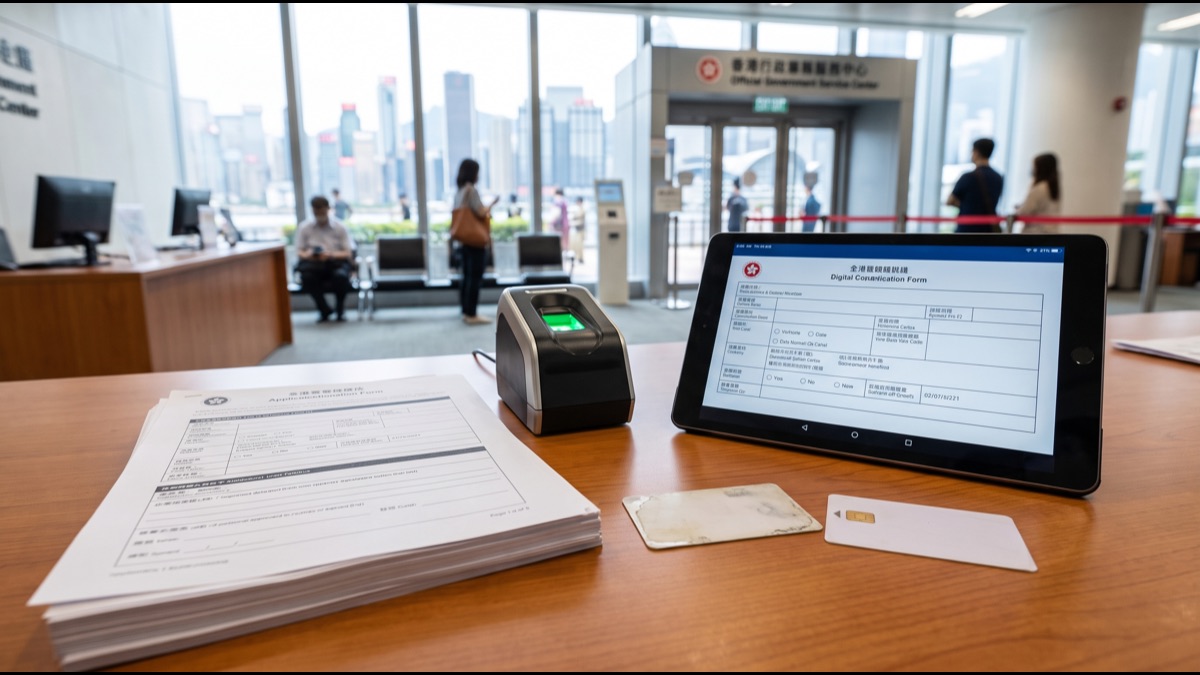
Many applicants need fingerprinting and a photograph at an ICP center or approved service point. The appointment may be quick, but the delay often comes from incomplete documents, incorrect mobile numbers, or photo files that do not meet standards. Dress and present yourself as you would for a formal government ID because the image is used across official and private systems. For Emirates ID: Application, Renewal, and Replacement, the important point is not only the headline rule but the sequence: who starts the request, which document proves identity, where payment is made, and what happens if the file is incomplete.
A practical resident should keep screenshots, receipts, reference numbers, and dates in one folder. UAE service systems are efficient when the inputs are clean, but a small mismatch in name, mobile number, property number, or sponsor detail can create avoidable loops.
This is also why current official channels matter. Fees, grace periods, eligibility labels, and app flows can change, and a guide should help you ask better questions rather than replace the authority that processes the case.
When comparing options, look for the step that blocks everything else. Sometimes the blocker is a missing Emirates ID scan, sometimes it is an unattested document, sometimes it is a landlord approval, and sometimes it is simply a payment receipt that nobody saved.
The calm approach is to separate three things: the rule, the platform, and the human workflow. The rule says what must be true, the platform accepts the submission, and the human workflow is how employers, landlords, schools, families, or service desks actually move the file.
For residents, the safest habit is to check the official page at the moment of action, then write down the version of the requirement you relied on. That is especially useful when a landlord, employer, school registrar, bank officer, or call-center agent later asks why you followed a particular sequence.
If a fee or timeline is mentioned, treat it as planning context rather than a promise. Government portals, service centers, and partner apps may update prices, processing windows, and document lists faster than an editorial article can. The practical decision is to budget a margin and avoid same-day dependencies.
Renewal timing and expiry fines
Renewal should be treated as a calendar task. Do not wait until the card is already expired if you also need banking, telecom, school, tenancy, or employment services. UAE rules can include late-renewal fines after the allowed grace period, so residents should check the ICP account, employer PRO, or typing center before expiry and keep payment receipts. For Emirates ID: Application, Renewal, and Replacement, the important point is not only the headline rule but the sequence: who starts the request, which document proves identity, where payment is made, and what happens if the file is incomplete.
A practical resident should keep screenshots, receipts, reference numbers, and dates in one folder. UAE service systems are efficient when the inputs are clean, but a small mismatch in name, mobile number, property number, or sponsor detail can create avoidable loops.
This is also why current official channels matter. Fees, grace periods, eligibility labels, and app flows can change, and a guide should help you ask better questions rather than replace the authority that processes the case.
When comparing options, look for the step that blocks everything else. Sometimes the blocker is a missing Emirates ID scan, sometimes it is an unattested document, sometimes it is a landlord approval, and sometimes it is simply a payment receipt that nobody saved.
The calm approach is to separate three things: the rule, the platform, and the human workflow. The rule says what must be true, the platform accepts the submission, and the human workflow is how employers, landlords, schools, families, or service desks actually move the file.
For residents, the safest habit is to check the official page at the moment of action, then write down the version of the requirement you relied on. That is especially useful when a landlord, employer, school registrar, bank officer, or call-center agent later asks why you followed a particular sequence.
If a fee or timeline is mentioned, treat it as planning context rather than a promise. Government portals, service centers, and partner apps may update prices, processing windows, and document lists faster than an editorial article can. The practical decision is to budget a margin and avoid same-day dependencies.
Lost, damaged, or incorrect card
If the card is lost, damaged, or printed with wrong details, apply for a replacement rather than using an outdated scan indefinitely. The replacement path usually requires identity confirmation, updated contact details, payment, and sometimes a police report or declaration depending on the case. Once a replacement is issued, use the newer card and update private providers that store your ID copy. For Emirates ID: Application, Renewal, and Replacement, the important point is not only the headline rule but the sequence: who starts the request, which document proves identity, where payment is made, and what happens if the file is incomplete.
A practical resident should keep screenshots, receipts, reference numbers, and dates in one folder. UAE service systems are efficient when the inputs are clean, but a small mismatch in name, mobile number, property number, or sponsor detail can create avoidable loops.
This is also why current official channels matter. Fees, grace periods, eligibility labels, and app flows can change, and a guide should help you ask better questions rather than replace the authority that processes the case.
When comparing options, look for the step that blocks everything else. Sometimes the blocker is a missing Emirates ID scan, sometimes it is an unattested document, sometimes it is a landlord approval, and sometimes it is simply a payment receipt that nobody saved.
The calm approach is to separate three things: the rule, the platform, and the human workflow. The rule says what must be true, the platform accepts the submission, and the human workflow is how employers, landlords, schools, families, or service desks actually move the file.
For residents, the safest habit is to check the official page at the moment of action, then write down the version of the requirement you relied on. That is especially useful when a landlord, employer, school registrar, bank officer, or call-center agent later asks why you followed a particular sequence.
If a fee or timeline is mentioned, treat it as planning context rather than a promise. Government portals, service centers, and partner apps may update prices, processing windows, and document lists faster than an editorial article can. The practical decision is to budget a margin and avoid same-day dependencies.
Typing centers versus online channels
Online channels suit residents who are comfortable uploading documents and tracking status. Typing centers help when a case is messy, a dependent file needs checking, Arabic data entry matters, or a sponsor wants a human review before payment. The center does not change the official rule; it helps you submit the rule correctly. For Emirates ID: Application, Renewal, and Replacement, the important point is not only the headline rule but the sequence: who starts the request, which document proves identity, where payment is made, and what happens if the file is incomplete.
A practical resident should keep screenshots, receipts, reference numbers, and dates in one folder. UAE service systems are efficient when the inputs are clean, but a small mismatch in name, mobile number, property number, or sponsor detail can create avoidable loops.
This is also why current official channels matter. Fees, grace periods, eligibility labels, and app flows can change, and a guide should help you ask better questions rather than replace the authority that processes the case.
When comparing options, look for the step that blocks everything else. Sometimes the blocker is a missing Emirates ID scan, sometimes it is an unattested document, sometimes it is a landlord approval, and sometimes it is simply a payment receipt that nobody saved.
The calm approach is to separate three things: the rule, the platform, and the human workflow. The rule says what must be true, the platform accepts the submission, and the human workflow is how employers, landlords, schools, families, or service desks actually move the file.
For residents, the safest habit is to check the official page at the moment of action, then write down the version of the requirement you relied on. That is especially useful when a landlord, employer, school registrar, bank officer, or call-center agent later asks why you followed a particular sequence.
If a fee or timeline is mentioned, treat it as planning context rather than a promise. Government portals, service centers, and partner apps may update prices, processing windows, and document lists faster than an editorial article can. The practical decision is to budget a margin and avoid same-day dependencies.
Resident checklist
Before applying, prepare passport copy, current visa or entry permit, personal photo, mobile number, email, sponsor details, address, and payment card. After applying, keep the application number, delivery tracking message, and digital proof. When the card arrives, verify name, date of birth, nationality, and expiry immediately. For Emirates ID: Application, Renewal, and Replacement, the important point is not only the headline rule but the sequence: who starts the request, which document proves identity, where payment is made, and what happens if the file is incomplete.
A practical resident should keep screenshots, receipts, reference numbers, and dates in one folder. UAE service systems are efficient when the inputs are clean, but a small mismatch in name, mobile number, property number, or sponsor detail can create avoidable loops.
This is also why current official channels matter. Fees, grace periods, eligibility labels, and app flows can change, and a guide should help you ask better questions rather than replace the authority that processes the case.
When comparing options, look for the step that blocks everything else. Sometimes the blocker is a missing Emirates ID scan, sometimes it is an unattested document, sometimes it is a landlord approval, and sometimes it is simply a payment receipt that nobody saved.
The calm approach is to separate three things: the rule, the platform, and the human workflow. The rule says what must be true, the platform accepts the submission, and the human workflow is how employers, landlords, schools, families, or service desks actually move the file.
For residents, the safest habit is to check the official page at the moment of action, then write down the version of the requirement you relied on. That is especially useful when a landlord, employer, school registrar, bank officer, or call-center agent later asks why you followed a particular sequence.
If a fee or timeline is mentioned, treat it as planning context rather than a promise. Government portals, service centers, and partner apps may update prices, processing windows, and document lists faster than an editorial article can. The practical decision is to budget a margin and avoid same-day dependencies.
Frequently Asked Questions
Is Emirates ID the same as a residence visa?
No. The Emirates ID is an identity card issued through ICP, while the residence visa is the immigration status that allows a non-citizen resident to live in the UAE. They are connected in practice but not the same document.
Can I renew Emirates ID online?
Many residents can renew through ICP Smart Services or authorized channels, but the available path depends on the person, sponsor, emirate, and whether data or biometrics need updating.
What happens if my Emirates ID expires?
Late renewal can affect government and private services, and fines may apply after the allowed period. Check ICP guidance for your exact case before expiry.
Do children need Emirates ID cards?
Resident children normally need Emirates ID cards as part of their residency file, with the sponsor managing the process.
Is this legal advice?
No. It is an editorial guide. Use ICP, UAE Government Portal, or an authorized typing center for current official instructions.
Sources
The following official sources were checked before publication.
About the Author
The doyouknow.app Editorial Team writes practical resident guides for the UAE and Saudi Arabia using official sources, local context, and plain-language decision support.
Loved This Article?
Share on WhatsApp · Subscribe to our newsletter