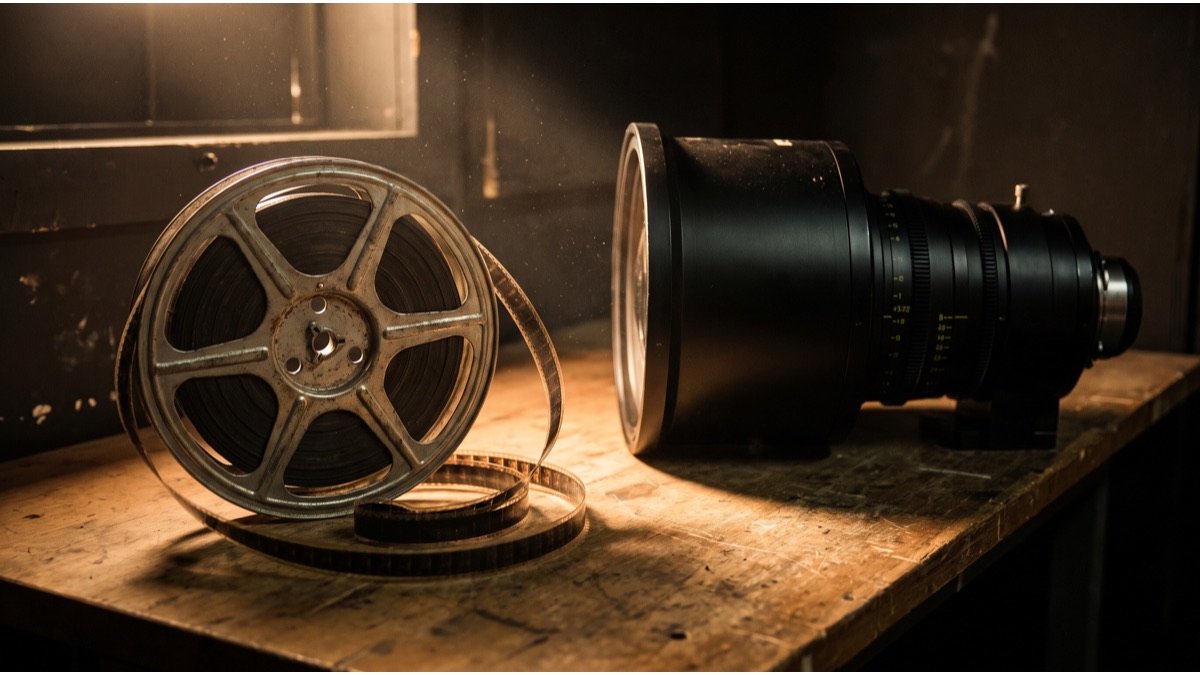
For roughly a century, every movie shown in a cinema traveled the world as reels of physical film, heavy, fragile, and expensive to produce and ship, before a technological shift compressed that entire physical distribution chain into a hard drive small enough to hold in one hand. This transition from photochemical film to digital projection did not simply swap one storage format for another; it fundamentally restructured how movies get financed, distributed, and shown in cinemas worldwide.
Understanding how this shift actually happened, from the specific mechanical limitations of traditional film projection to the financial mechanism that convinced reluctant cinema owners to fund expensive new digital equipment, reveals a genuinely significant industrial transformation that happened largely invisibly to moviegoers, who mostly just noticed the picture looked a little different.
It also explains why a small number of filmmakers and cinemas have deliberately preserved film projection capability even today, and why the Gulf region's rapid cinema industry growth happened to align with digital technology's arrival in a way that shaped how quickly modern multiplexes spread across the region.
A Century of Light Through Moving Celluloid
Traditional cinema projection worked by shining an intense light through a strip of transparent photochemical film containing a sequence of still images, moving that strip rapidly and precisely enough through the projector's mechanism that the sequence of still frames blended into the illusion of smooth, continuous motion on screen.
This fundamental mechanism remained essentially unchanged in its basic principle for the better part of a century, with improvements over that time focused mainly on image quality, sound synchronization, and projector reliability rather than any change to the core photochemical film and mechanical projection approach itself.
That century of remarkable technical stability is precisely what makes the subsequent shift to digital projection, happening within a relatively compressed timeframe of roughly a decade across the global cinema industry, such a genuinely dramatic technological discontinuity compared to the gradual, incremental improvements that characterized most of film projection's earlier history.
How a Traditional Film Projector Actually Worked
A film projector had to advance each individual frame into position, hold it perfectly still for a fraction of a second while light passed through it onto the screen, then rapidly advance to the next frame, repeating this stop-start motion dozens of times per second with mechanical precision, all while a shutter blocked light during the brief transition between frames to avoid a visible blur.
This precise mechanical choreography required genuinely sophisticated engineering, since any inconsistency in frame positioning or advancement timing would produce visible flickering, jumping, or blurring on screen, meaning projector maintenance and calibration were skilled technical trades requiring dedicated, trained projectionists at every cinema.
The physical film itself also had to withstand this repeated mechanical stress, rapid starting and stopping, friction against projector components, and exposure to intense projection lamp heat, across potentially hundreds of screenings before wear, scratches, and physical damage noticeably degraded picture quality.
Why Physical Film Was So Expensive to Distribute
Each individual film print was a physical object that had to be manufactured, typically weighing tens of kilograms for a feature-length movie spread across multiple large reels, then physically shipped to individual cinemas, and eventually shipped onward to the next cinema in that print's distribution circuit once its run finished at each location.
A wide theatrical release meant manufacturing hundreds or even thousands of individual physical prints, each one a genuine manufacturing cost the studio had to bear, plus the ongoing shipping and handling logistics of physically transporting heavy, bulky film reels between cinemas across an entire country or region.
This physical distribution cost structure meant a studio's decision about how widely to release a film carried direct, substantial cost implications tied to print manufacturing and shipping volume, a cost dynamic that shaped theatrical release strategy in ways considerably different from the marginal-cost-near-zero digital distribution that eventually replaced it.
What Digital Cinema Actually Replaced
Digital cinema projection replaced the entire physical film print and mechanical projection chain with a digital video file stored on a hard drive, played back through a specialized digital projector, eliminating the manufacturing cost of physical prints and the mechanical wear-and-tear issues inherent to repeatedly running photochemical film through a projector.
This shift meant a single digital master file could, in principle, be duplicated and distributed at a fraction of physical film's cost, since digital storage and shipping costs bear no meaningful relationship to a movie's actual runtime or complexity the way physical film stock manufacturing costs directly did.
The replacement was not merely a storage medium swap; it fundamentally changed the underlying cost structure of theatrical distribution, removing what had been one of the largest fixed costs in getting a movie from a studio to a wide network of cinema screens simultaneously.
How a Digital Cinema Package Actually Moves a Movie
Movies are distributed to digital cinemas as a Digital Cinema Package, a standardized, heavily compressed and encrypted file format specifically designed for theatrical projection, delivered to cinemas either via physical hard drive shipment or, increasingly, direct satellite or internet-based transmission to the cinema's server system.
This standardized format was deliberately developed through industry-wide cooperation specifically to ensure any properly equipped digital cinema anywhere in the world could reliably play any properly formatted digital cinema package, avoiding the format fragmentation problems that could otherwise have emerged from different studios or projector manufacturers using incompatible proprietary systems.
Encryption built into the format also addresses piracy concerns directly, requiring cinemas to obtain specific decryption keys, often time-limited to the film's actual scheduled screening dates, before the digital projection system will play the content at all, a security layer physical film prints never required or provided.
Why Studios Pushed So Hard for the Digital Switch
Major film studios had strong direct financial incentive to push the industry toward digital projection, since eliminating physical print manufacturing and shipping costs represented genuine, substantial savings multiplied across every wide theatrical release, a cost reduction that accrued directly to studios rather than to individual cinema owners who had to fund the expensive digital projector upgrades themselves.
This cost asymmetry, studios saving money while cinemas bore the upfront equipment investment burden, created a genuine industry negotiation challenge during the transition period, since cinema owners, particularly smaller independent operators, had little direct financial incentive of their own to rush into an expensive equipment upgrade primarily benefiting studio economics.
Resolving this asymmetry required a financing mechanism that could bridge the gap between where the cost savings actually accrued and where the upfront investment burden actually fell, setting the stage for the virtual print fee arrangement that ultimately funded much of the global digital transition.
The Virtual Print Fee That Funded the Transition
The virtual print fee arrangement had studios pay cinemas a fee for each digital screening roughly equivalent to what a physical print would have cost to manufacture and ship, with that fee specifically directed toward paying down the cinema's digital projector equipment financing rather than functioning as ongoing studio revenue sharing.
This financing structure effectively let studios fund cinema digital equipment upgrades indirectly over time using savings genuinely generated by no longer needing to manufacture physical prints, aligning the financial incentives of both studios and cinema owners toward completing the digital transition relatively quickly once the arrangement became widely adopted.
Once a cinema's digital equipment financing was fully paid off through accumulated virtual print fees, the arrangement typically ended, meaning the mechanism functioned specifically as a transition-period financing bridge rather than a permanent ongoing cost-sharing arrangement between studios and cinema operators.
How Digital Projectors Actually Create the Image
Digital cinema projectors use one of several specific display technologies, commonly digital light processing systems using arrays of microscopic mirrors or liquid crystal on silicon panels, to precisely control light passing through the projection lens pixel by pixel, replacing the physical film frame with a continuously refreshed digital image.
These digital projection technologies can achieve image resolution, brightness, and color consistency that meets or exceeds traditional film projection quality while completely eliminating the physical wear, scratches, and print degradation that affected film prints after repeated screenings, since a digital file does not physically degrade the way photochemical film does through repeated mechanical handling.
Modern digital cinema projectors also support features film projection never could, including seamless switching between different aspect ratios and formats, integrated subtitle and audio description systems, and remote monitoring and diagnostics that let technical staff identify and address projector issues without needing physical inspection of the equipment itself.
Why Small and Rural Cinemas Struggled With the Switch
Smaller independent and rural cinemas, often operating on thinner profit margins than major chains, frequently found the upfront cost of digital projection equipment genuinely difficult to finance even with virtual print fee arrangements available, since qualifying for and structuring that financing still required meaningful upfront capital and creditworthiness many smaller operators struggled to demonstrate.
This financial pressure led to a documented wave of smaller cinema closures during the transition period in various countries, as studios increasingly stopped manufacturing physical film prints entirely once digital adoption reached a critical mass, effectively forcing any remaining film-only cinemas to either upgrade or close.
Various government and industry support programs emerged in some countries specifically to help smaller cinemas afford the digital transition, recognizing the genuine cultural and community value smaller, often historic cinemas provided beyond their pure commercial profitability, though these support efforts did not save every threatened venue.
What Film Purists Argue Digital Still Cannot Match
Some cinematographers and film enthusiasts continue to argue that photochemical film captures a distinctive image quality, particularly in dynamic range, color rendition, and a specific visual texture sometimes called film grain, that digital capture and projection technology, despite substantial improvement, still has not fully replicated to their satisfaction.
This preference is not purely nostalgic sentiment; it reflects genuine, measurable technical differences in how photochemical film and digital sensors respond to light, particularly in extreme highlight and shadow detail, differences that remain detectable to trained eyes even as digital capture technology has closed much of the gap that existed in digital cinema's earlier years.
These technical debates continue actively within professional cinematography circles, with major productions occasionally choosing to shoot on physical film specifically for its distinctive visual characteristics even when the finished product will ultimately be distributed and projected entirely through standard digital cinema packages in actual theaters.
How Piracy Concerns Shaped Digital Cinema Security
The digital cinema package format's built-in encryption and time-limited decryption key system was deliberately engineered with piracy prevention as a central design consideration, reflecting studio concern that digital files, unlike bulky physical film prints, could theoretically be copied and distributed illegally far more easily without adequate technical safeguards.
This security-first design approach shaped many technical decisions throughout the digital cinema standard's development, including how projection equipment authenticates content, how decryption keys are distributed and expire, and how cinema server systems log and monitor content access, treating anti-piracy protection as a foundational requirement rather than an afterthought.
Despite these safeguards, illegal recording of projected content using cameras or phones inside cinemas, sometimes called camming, remains a separate piracy vector the digital cinema package's built-in encryption cannot directly prevent, since it protects the digital file itself rather than the light actually projected onto the screen during an actual public screening.
Why Some Filmmakers Still Insist on Shooting on Film
A number of prominent directors have publicly and consistently continued shooting feature films on physical film stock well into the digital cinema era, citing both the specific visual qualities discussed earlier and a personal creative preference for film's distinctive production workflow, despite the added cost and logistical complexity compared to shooting digitally.
Some of these same filmmakers have also actively pushed for limited theatrical releases using genuine physical film projection specifically for their own films, working with the small number of cinemas that have deliberately retained functioning film projection equipment specifically to accommodate this kind of specialty theatrical release.
This continued, if now genuinely niche, use of physical film illustrates how a technology can persist in specialized applications even after its broader industry-wide replacement, surviving specifically because a meaningful creative and technical case for its distinctive qualities continues to exist among a dedicated subset of practitioners and audiences.
How the Gulf's Cinema Boom Benefited From Digital Timing
The UAE and wider Gulf region's rapid expansion of modern multiplex cinemas happened to accelerate during roughly the same period digital projection technology matured and became the industry standard, meaning new Gulf cinemas were built directly with digital projection infrastructure from the outset rather than needing to retrofit older film-based equipment the way many established Western markets had to.
This fortunate timing let Gulf cinema operators skip the expensive transitional period entirely, building modern multiplexes with digital projection, premium large-format screens, and advanced sound systems as standard from their very first construction rather than as a costly later upgrade to legacy film-based infrastructure.
This timing advantage is part of why Gulf multiplexes today often feature genuinely cutting-edge projection and screen technology, having entered the cinema exhibition business at a point when digital standards were already well-established rather than during the earlier, more experimental and fragmented period of digital cinema's initial rollout elsewhere in the world.
What Comes After Standard Digital Projection
Cinema projection technology continues evolving beyond standard digital projection, with laser-based digital projectors increasingly replacing older lamp-based digital projectors specifically for their improved brightness, color accuracy, and considerably longer operational lifespan, alongside high-frame-rate and higher-resolution formats aimed at further improving image clarity and motion smoothness.
Premium large-format screen brands have also emerged as a genuine differentiator cinemas actively market, combining laser projection, expanded screen size, and enhanced sound systems into a premium ticket-price tier distinct from standard digital screenings, a business model innovation that the underlying digital projection shift made commercially practical in ways traditional film projection infrastructure never could have supported as easily.
Whatever specific technology comes next, the underlying pattern established during the film-to-digital transition, a technology shift driven by genuine cost economics and enabled by a creative financing mechanism bridging who saved money and who had to pay for new equipment, likely offers a template for how future cinema technology transitions will similarly need to align industry incentives to actually happen at scale.
Sources
- Wikipedia — overview of digital cinema technology and the transition from film projection
- Motion Picture Association — industry background on theatrical distribution and digital cinema standards
- Society of Motion Picture and Television Engineers — technical standards underlying digital cinema package specifications
- IMAX — background on premium large-format digital projection technology
FAQ
Why was physical film so expensive for studios to distribute widely?
Each print was a physical object weighing tens of kilograms that had to be manufactured and shipped between cinemas, so a wide release meant manufacturing hundreds or thousands of individual prints, a substantial direct cost tied to release scale.
What is a virtual print fee and how did it fund the digital transition?
Studios paid cinemas a fee per digital screening roughly equal to what a physical print would have cost, with that fee specifically directed toward paying off the cinema’s digital projector financing until the equipment cost was covered.
Why do some filmmakers still insist on shooting on physical film?
They cite genuine, measurable differences in dynamic range and color rendition, particularly in extreme highlight and shadow detail, along with a personal creative preference for film’s distinctive production workflow compared to digital capture.
Can digital cinema files be easily pirated like other digital media?
The format includes built-in encryption and time-limited decryption keys specifically to prevent unauthorized copying, though illegal recording of the projected image itself using a camera inside a cinema remains a separate piracy risk this encryption cannot prevent.
Why do Gulf cinemas often have such modern projection technology?
The region’s rapid multiplex expansion happened during roughly the same period digital projection became the industry standard, letting new cinemas build with digital infrastructure from the outset rather than retrofitting older film-based equipment.
About the Author
We reference Wikipedia and other authoritative sources to explain the background and current understanding of this topic.
Loved This Article?
Share it on WhatsApp → Share it on WhatsApp
Get more guides in your inbox — Subscribe to our newsletter for weekly surprising stories from Egypt, Saudi Arabia, Dubai, and beyond.