Introduction
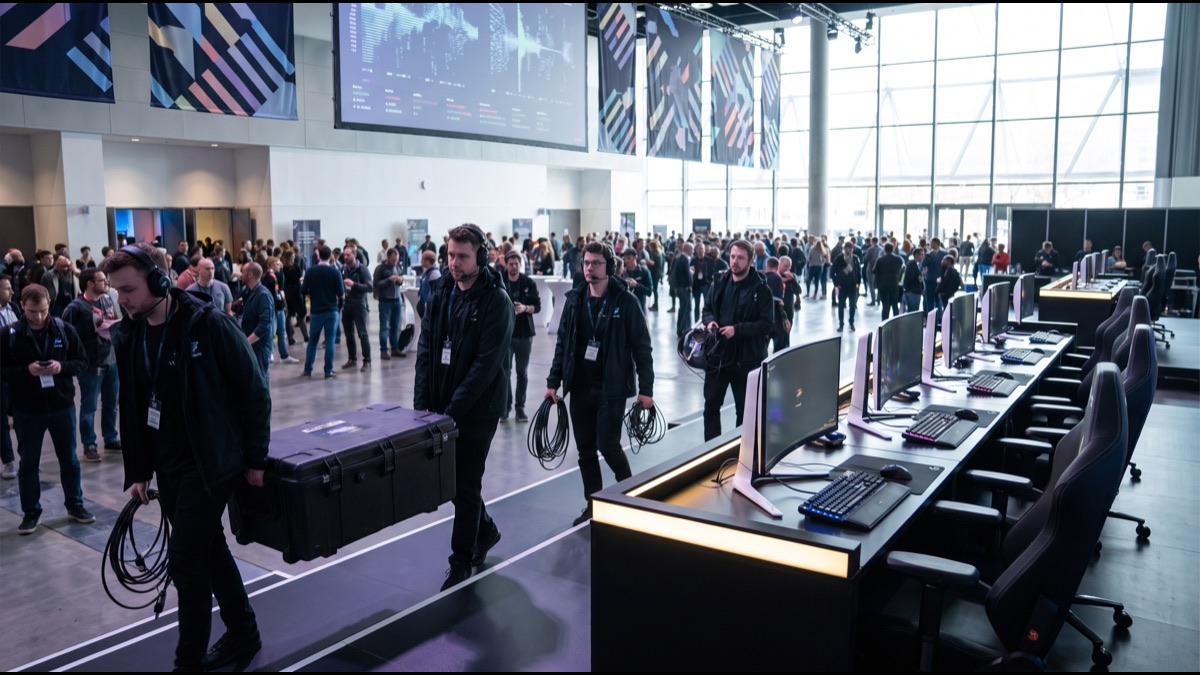
Esports, organized competitive video gaming, has grown from a niche hobbyist activity into a legitimate global industry generating well over a billion dollars annually, with major tournament prize pools reaching tens of millions of dollars, sold-out stadium events, and dedicated professional leagues functionally comparable in structure to traditional professional sports.
This transformation happened relatively rapidly, largely over roughly the past two decades, driven by a specific combination of internet infrastructure improvements, streaming technology, and dedicated organizational investment that gradually built the legitimacy and audience competitive gaming lacked for its first several decades of existence.
Early Competitive Gaming Before It Was 'Esports'
Organized video game competitions date back further than many people realize, with early arcade tournaments and high-score competitions occurring as far back as the late 1970s and 1980s, though these early events generally remained small-scale, localized affairs without the organizational infrastructure, broadcast reach, or financial backing that later defined true esports.
The 1990s and early 2000s saw competitive gaming grow within specific dedicated communities, particularly around games like StarCraft in South Korea, which developed a genuinely mainstream competitive gaming culture with televised matches and professional players years before similar broad recognition emerged in most Western countries, making South Korea widely recognized as an early pioneer of esports as a legitimate spectator activity.
How Streaming Technology Enabled Global Growth
The launch of dedicated game-streaming platform Twitch in 2011 (spun off from the earlier general streaming platform Justin.tv) proved transformative for esports specifically, providing a purpose-built platform where competitive gaming could be broadcast live to global audiences at essentially no distribution cost, solving the fundamental broadcast infrastructure problem that had limited esports' growth in earlier decades.
This streaming infrastructure enabled tournament organizers to reach massive global audiences without needing traditional television broadcast deals, while simultaneously creating an entirely new revenue stream through advertising, subscriptions, and viewer donations that helped fund the growing professional infrastructure, including salaried players, dedicated training facilities, and increasingly sophisticated tournament production.
Key Milestones in Esports Legitimization
Several specific milestones marked esports' progression toward broader legitimacy: major game publishers began organizing and heavily investing in official tournament circuits with substantial prize pools, exemplified by Valve's Dota 2 'The International' tournament, whose prize pool, crowdfunded partly through in-game purchases, reached over $40 million in some years, among the largest prize pools in any competitive sport, traditional or digital.
Traditional sports organizations and media companies increasingly invested in esports as its audience and commercial viability became undeniable, including major traditional sports team ownership groups acquiring esports franchises, television networks broadcasting esports events, and, notably, some countries and international bodies exploring esports' potential inclusion in multi-sport events, reflecting its growing institutional recognition alongside traditional athletics.
Esports as an Established Industry Today
Today, esports encompasses professional leagues with structures functionally similar to traditional sports, including drafted or recruited players under formal contracts, regular seasons, playoff structures, dedicated training facilities and coaching staff, and substantial sponsorship deals from major global brands well beyond gaming-specific companies, reflecting broad mainstream commercial confidence in the industry's audience and continued growth.
Despite this substantial institutional growth, researchers and industry analysts note esports still faces some structural challenges distinct from traditional sports, including its fragmentation across many different games (each functioning as a somewhat separate mini-industry with its own audience, rather than a single unified competitive activity) and its continued reliance on individual game publishers' ongoing support and game longevity, a dependency traditional sports generally don't share.
Sources
- Newzoo — Global esports market research and revenue data
- Variety — Industry reporting on esports growth, streaming, and major tournament milestones
- ESPN Esports — Sports media coverage documenting esports' institutional growth and mainstream recognition
FAQ
When did competitive video gaming first begin?
Organized video game competitions date back to the late 1970s and 1980s with early arcade tournaments, though these remained small-scale, localized events without the organizational infrastructure that later defined true esports.
Which country is considered an early pioneer of esports?
South Korea is widely recognized as an early pioneer, developing a genuinely mainstream competitive gaming culture around games like StarCraft, with televised matches and professional players years before similar recognition emerged in Western countries.
How did Twitch transform esports?
Twitch's 2011 launch provided a purpose-built platform for broadcasting competitive gaming to global audiences at essentially no distribution cost, solving the broadcast infrastructure problem that had limited esports' growth in earlier decades.
How large are esports tournament prize pools?
Major tournaments like Valve's Dota 2 'The International,' partly crowdfunded through in-game purchases, have reached prize pools over $40 million in some years, among the largest in any competitive sport.
What structural challenges does esports still face compared to traditional sports?
Esports remains fragmented across many different games, each functioning as a somewhat separate industry, and continues relying on individual game publishers' ongoing support and game longevity, a dependency traditional sports generally don't share.
About the Author
doyouknow.app Editorial Team — We reference industry market research and sports media coverage to trace esports' growth into a legitimate global industry.
Loved This Article?
Share it on WhatsApp → Share on WhatsApp
Get more guides in your inbox — Subscribe to our newsletter for weekly surprising stories from Egypt, Saudi Arabia, Dubai, and beyond.