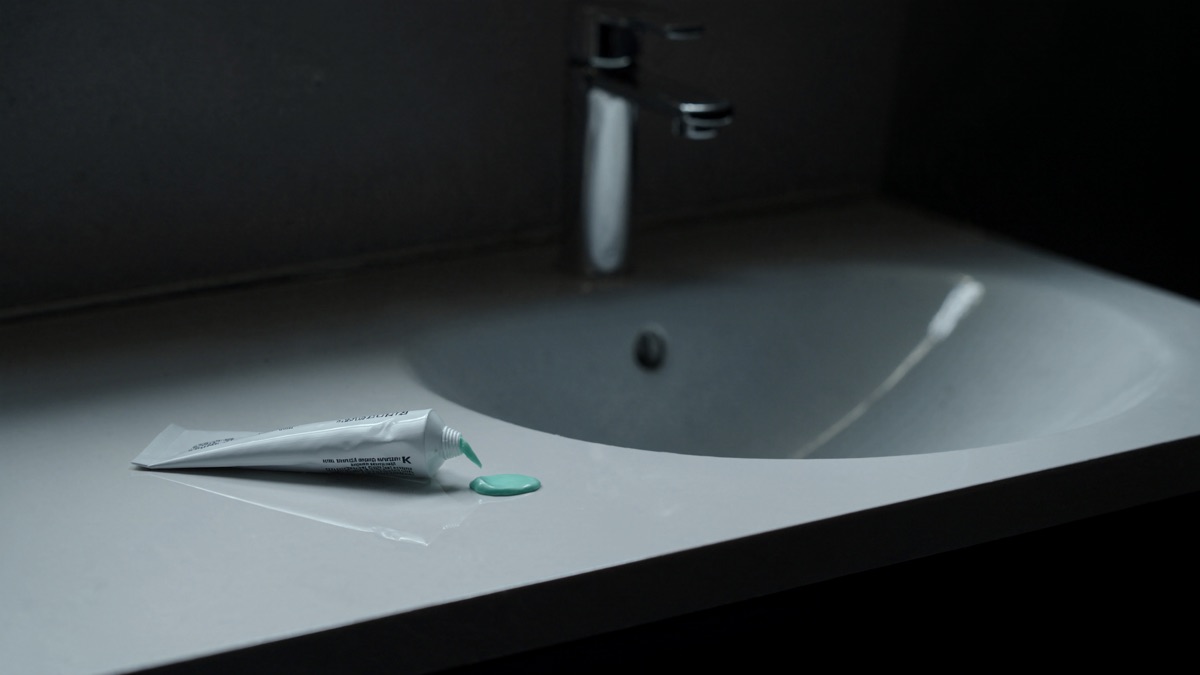
Fluoride prevents cavities primarily through a genuine chemical transformation of tooth enamel itself, not by forming a protective surface coating the way many people assume. Enamel is constantly losing and regaining minerals in a natural back-and-forth process, and fluoride shifts the balance of that process, actively rebuilding weakened areas into a tougher mineral structure that resists acid far better than natural enamel alone.
Understanding that mineral-level mechanism explains several genuinely practical things: why spitting rather than rinsing after brushing matters, why fluoride works even on enamel that has not yet visibly decayed, and why water fluoridation and toothpaste fluoride work through the same underlying chemistry despite reaching teeth differently.
Demineralization and Remineralization: A Constant Cycle
Tooth enamel is not a static, unchanging surface; it constantly loses minerals, primarily calcium and phosphate, when acid produced by oral bacteria attacks it, a process called demineralization, while saliva naturally works to redeposit those same minerals back into the enamel afterward, called remineralization.
A cavity forms specifically when demineralization consistently outpaces remineralization over time, meaning cavity prevention is fundamentally about shifting that ongoing balance back in the enamel's favor rather than simply blocking acid from ever touching the tooth.
How Fluoride Actually Changes the Mineral Structure
When fluoride is present during the remineralization process, it does not simply help restore the enamel's original mineral structure, hydroxyapatite; it actively gets incorporated into the new mineral being deposited, forming a related but chemically different structure called fluorapatite.
Fluorapatite is measurably more resistant to acid dissolution than the enamel's original mineral structure, meaning teeth that have absorbed fluoride during remineralization end up genuinely tougher and more cavity-resistant than they were originally, not merely restored to their prior condition.
Why Fluoride Works Even Before Visible Decay Appears
Because demineralization happens at a microscopic mineral level long before it becomes visible as a cavity, fluoride exposure during this early, invisible stage can genuinely reverse the process, remineralizing weakened enamel before it ever progresses to an actual cavity requiring a filling.
This is precisely why dentists emphasize regular fluoride exposure as ongoing prevention rather than treatment for existing damage: its most valuable window of action is during the invisible early demineralization stage, not after a cavity has already formed.
Why Spitting, Not Rinsing, Is the Standard Dental Advice
Dentists generally recommend spitting out excess toothpaste after brushing rather than rinsing thoroughly with water, specifically because rinsing washes away the residual fluoride concentration left on tooth surfaces, reducing the amount of time fluoride has to continue supporting remineralization after brushing ends.
This advice reflects the mineral-exchange mechanism directly: fluoride needs sustained surface contact time to meaningfully influence the demineralization-remineralization balance, and immediately rinsing it away shortens that contact window considerably.
Topical Fluoride Versus Systemic Fluoride
Fluoride works through two genuinely distinct pathways: topical fluoride, applied directly to erupted tooth surfaces through toothpaste, mouth rinse, or professional dental treatments, and systemic fluoride, ingested through fluoridated water or supplements and incorporated into tooth structure as teeth develop before they even erupt.
Modern dental research generally considers the topical pathway the dominant mechanism for cavity prevention in already-erupted adult teeth, while systemic fluoride during childhood tooth development plays a genuinely larger role in strengthening enamel structure from the start.
Why Concentration and Frequency Both Matter
Toothpaste fluoride concentration is carefully regulated, since too little provides meaningfully weaker cavity protection while excessive concentration, particularly in young children who may swallow toothpaste, raises the risk of a cosmetic condition called fluorosis, which causes visible white or brown mottling on developing tooth enamel.
This is why dental guidance specifically recommends only a pea-sized amount of standard fluoride toothpaste for young children and close adult supervision during brushing, balancing genuine cavity-prevention benefit against the specific, well-documented overexposure risk.
Community Water Fluoridation and Why It Was Controversial
Many countries add a small, carefully regulated amount of fluoride to public water supplies specifically to provide consistent systemic fluoride exposure across an entire population regardless of individual toothpaste habits, a public health measure credited with substantial cavity-rate reductions since its introduction.
Water fluoridation has remained a genuinely debated public health policy in some places, with critics raising concerns about individual choice and dosage control, while major health organizations have consistently maintained that fluoridation at recommended levels is both safe and effective based on decades of population health data.
Why Fluoride Alone Does Not Replace Brushing
Fluoride strengthens enamel against acid but does not remove the dental plaque and bacteria that actually produce that acid in the first place, meaning fluoride toothpaste's mineral-level benefit works in combination with, not instead of, the physical plaque removal that brushing and flossing accomplish mechanically.
This is why dentists frame fluoride as one specific, chemically distinct layer of cavity prevention rather than a complete standalone solution, genuinely most effective when paired with consistent mechanical plaque removal rather than relied upon alone.
Professional Fluoride Treatments Versus Toothpaste
Dental office fluoride treatments, typically applied as a gel, foam, or varnish, contain a substantially higher fluoride concentration than over-the-counter toothpaste and are applied under professional supervision specifically to deliver a stronger remineralization boost during a single dental visit.
These professional treatments are generally recommended as periodic reinforcement, particularly for patients at elevated cavity risk, rather than as a replacement for daily fluoride toothpaste use, since the enamel benefits from sustained, repeated low-level exposure over time rather than only occasional high-concentration application.
What Modern Dental Research Still Debates
While fluoride's core cavity-prevention mechanism is well established, ongoing dental research continues examining optimal concentration levels for different age groups, the comparative effectiveness of newer remineralizing compounds sometimes combined with fluoride, and how fluoridation policy should adapt as overall dietary sugar exposure and toothpaste access patterns shift over time.
This continued research reflects a mature but still actively evolving field, where the basic chemistry has been well understood for decades even as specific clinical guidelines around dosage and delivery method continue to be refined based on new population health data.
Fluoride-Free Alternatives and What the Evidence Actually Shows
Hydroxyapatite toothpaste, marketed heavily in recent years as a fluoride-free alternative, works through a genuinely different mechanism: rather than converting existing enamel into a more acid-resistant fluorapatite structure, it supplies synthetic nano-hydroxyapatite crystals that are chemically similar to the mineral enamel is naturally made of, which can physically fill microscopic surface defects and support some degree of remineralization without involving fluoride chemistry at all.
Clinical trial evidence for hydroxyapatite remains considerably thinner than the many decades of large-scale population data behind fluoride, and while several smaller studies have found it performs comparably to fluoride in specific measured outcomes, dental researchers generally note that fluoride's cavity-prevention effect is supported by a far larger and more consistent body of long-term evidence, meaning hydroxyapatite is a reasonable option for people who specifically want to avoid fluoride but is not yet established as definitively equivalent for population-wide cavity prevention.
Xylitol, a sugar alcohol sometimes added to gum or toothpaste, works through an entirely separate mechanism from either fluoride or hydroxyapatite: cavity-causing bacteria can absorb xylitol but cannot metabolize it into acid the way they process actual sugar, and repeated exposure appears to reduce the bacteria's ability to adhere to tooth surfaces over time, though the evidence for xylitol as a standalone cavity-prevention strategy is weaker than the evidence for it as a useful addition alongside fluoride rather than a replacement for it.
"Natural" toothpaste formulations that avoid both fluoride and these emerging alternatives, relying instead on ingredients like baking soda, charcoal, or essential oils for cleaning and freshness, generally lack any evidence of a genuine remineralizing or cavity-preventing mechanism at all, meaning their appeal rests almost entirely on ingredient philosophy rather than a demonstrated clinical benefit comparable to fluoride or hydroxyapatite.
Why Toothpaste Ingredients Beyond Fluoride Still Matter
Abrasives, the fine mineral particles like hydrated silica or calcium carbonate that give toothpaste its polishing texture, are measured on a standardized Relative Dentin Abrasivity scale, and dentists specifically caution against toothpaste formulated at the high end of that scale for daily long-term use, since even a genuinely effective fluoride formula can gradually wear down enamel and expose sensitive dentin if its abrasive load is too aggressive for everyday brushing.
Sodium lauryl sulfate, the foaming agent responsible for toothpaste's characteristic lather, has no direct role in cavity prevention at all; the foam is a texture and mouthfeel choice rather than a functional cleaning mechanism, which is why sulfate-free formulas marketed toward people with mouth sensitivity can still deliver full fluoride cavity protection despite producing noticeably less foam during brushing.
Potassium nitrate and stannous fluoride formulations, often marketed specifically for tooth sensitivity, work by a mechanism separate from standard cavity prevention: they gradually block the microscopic dentin tubules that transmit pain signals to nerve endings when sensitive teeth are exposed to hot, cold, or sweet stimuli, meaning a sensitivity-formula toothpaste is addressing a different problem than plain cavity-prevention fluoride toothpaste, even though many formulations now combine both functions in a single product.
How to Read a Toothpaste Label Like a Dentist Does
The single most clinically important number on any toothpaste box is the parts-per-million fluoride concentration, not the brand name or marketing claims printed around it, and dental associations that award their seal of approval specifically verify this concentration falls within an evidence-backed effective range, meaning a seal of approval is a genuinely useful shortcut for confirming a product meets a real clinical bar rather than just following industry self-regulation.
Ingredient lists on toothpaste, like other regulated personal care products, list ingredients in descending order by concentration, so a formula listing an active fluoride compound like sodium fluoride or stannous fluoride near the top of the list, rather than buried near the bottom below numerous flavoring and texture agents, is a reasonable proxy for how central that active ingredient actually is to the product's formulation.
Marketing terms like "whitening," "enamel repair," or "sensitivity relief" printed prominently on packaging describe genuinely different formulations with different secondary ingredients and mechanisms, but none of these terms replace checking the actual fluoride concentration figure, since a whitening toothpaste with inadequate fluoride content provides meaningfully weaker cavity protection regardless of how effectively its other claimed benefits perform.
Why Children's Fluoride Guidance Differs by Age
Guidance on fluoride toothpaste amount changes at specific developmental milestones rather than being a single blanket recommendation, because young children reliably swallow a meaningful portion of the toothpaste they use rather than spitting it out completely, and their teeth are still undergoing the enamel-forming process fluorosis actually affects, a window that closes once permanent teeth have fully mineralized.
For children under three, dental associations generally recommend a fluoride toothpaste smear roughly the size of a grain of rice, a genuinely tiny amount specifically calibrated to provide cavity protection while keeping total swallowed fluoride within a safe range even if the child swallows most of what is applied, which is a realistic assumption at that age rather than an overly cautious one.
Between three and six, the recommended amount increases to a pea-sized portion as children generally develop more reliable spitting technique, though supervision during brushing remains recommended specifically to reinforce spitting rather than swallowing and to prevent a child from applying toothpaste far in excess of the recommended amount on their own.
Beyond age six, once the risk of fluorosis to permanent tooth enamel has largely passed and spitting technique is reliably established, standard adult-concentration fluoride toothpaste in a normal pea-sized or larger amount becomes appropriate, completing a gradual, age-calibrated progression rather than a single fixed rule applied uniformly across all ages.
For infants and toddlers who cannot yet reliably spit, some dental guidance now recommends beginning fluoride exposure as soon as the first tooth erupts rather than waiting until a spitting-capable age, since the cavity-prevention benefit of early exposure at a carefully calibrated micro-dose has, in current guidance, outweighed the fluorosis risk of that tiny rice-grain amount, a shift in recommended timing that reflects updated research rather than a change in the underlying safety calculation.
How Diet and Saliva Interact With Fluoride Protection
Saliva itself carries a meaningful protective role that fluoride works alongside rather than replaces, since saliva naturally buffers the acids plaque bacteria produce and supplies the calcium and phosphate ions fluoride actually needs to drive the remineralization reaction, meaning conditions that reduce saliva flow, certain medications, dehydration, or medical conditions like Sjögren's syndrome, can measurably reduce how effectively fluoride toothpaste protects teeth even when brushing technique and frequency stay perfectly consistent.
Frequent snacking on sugary or starchy foods throughout the day matters more for cavity risk than total sugar quantity consumed at a single sitting, because each exposure to fermentable carbohydrate triggers a fresh acid-production cycle from plaque bacteria that can last roughly twenty to forty minutes, meaning someone who sips a sugary drink slowly over several hours exposes their teeth to far more cumulative acid attack time than someone who eats the same total sugar in one sitting and then stops.
Chewing sugar-free gum after a meal, particularly gum containing xylitol, stimulates additional saliva flow at exactly the moment acid production from a meal is highest, giving fluoride-remineralized enamel extra buffering support during the window when it is under the most acid stress, which is why dentists frequently recommend it as a practical complement to fluoride toothpaste rather than an unrelated habit.
Sources
- American Dental Association — clinical guidance on fluoride use, concentration, and cavity prevention
- World Health Organization — water fluoridation policy and public health research
- Wikipedia — overview of fluoride mechanisms in dental care
FAQ
Does fluoride actually coat teeth like a protective shield?
No; it chemically integrates into enamel during remineralization, forming fluorapatite, a mineral structure more acid-resistant than the enamel's original composition, rather than sitting on top as a coating.
Why do dentists recommend spitting instead of rinsing after brushing?
Rinsing washes away residual fluoride left on tooth surfaces, reducing the time fluoride has to continue supporting remineralization after brushing ends.
Can fluoride actually reverse early tooth decay?
Yes, at the microscopic, pre-cavity demineralization stage; fluoride exposure during this invisible early phase can genuinely remineralize weakened enamel before an actual cavity forms.
What is fluorosis and why does toothpaste amount matter for children?
Fluorosis is a cosmetic condition causing white or brown mottling from fluoride overexposure during tooth development, which is why only a pea-sized toothpaste amount is recommended for young children.
Does fluoride toothpaste alone prevent cavities without brushing well?
No; fluoride strengthens enamel chemically but does not remove the plaque and bacteria producing acid, so it works alongside, not instead of, mechanical plaque removal.
Are professional fluoride treatments better than toothpaste?
They contain higher concentration for a stronger single-visit boost, but are meant as periodic reinforcement, not a replacement for consistent daily fluoride toothpaste use.
About the Author
We reference Wikipedia and other authoritative sources to explain the background and current understanding of this topic.
Loved This Article?
Share it on WhatsApp → Share it on WhatsApp
Get more guides in your inbox — Subscribe to our newsletter for weekly surprising stories from Egypt, Saudi Arabia, Dubai, and beyond.