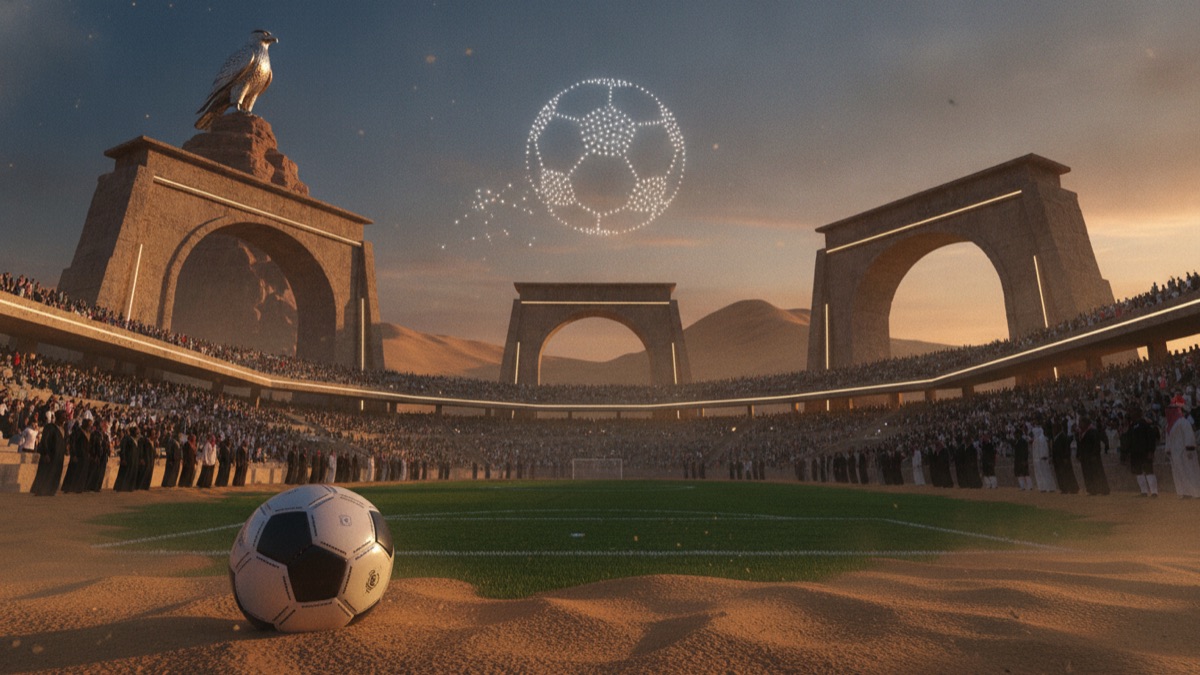
Saudi Football: How It Became a Global Force
Saudi football is now one of the most watched sports stories in the world. After decades of gradual development, the Kingdom has become a football market that can no longer be ignored. The Saudi Pro League attracts elite names, while the national team has produced memorable moments on the world stage.
Early Years of Saudi Football
Saudi clubs emerged and professionalized through the twentieth century, with major clubs in Jeddah, Riyadh, and other cities building strong local followings. Organized national competition developed over time, and the Saudi league took a more formal shape in the 1970s.
The professional era advanced further with the creation of the Saudi Pro League structure in 2008, giving the competition a more modern commercial and administrative framework.
The Rise of the Saudi National Team
The Saudi national team is one of the most successful Arab and Asian teams. It has qualified for the FIFA World Cup multiple times, including 1994, 1998, 2002, 2006, 2018, and 2022. Its 1994 campaign remains especially famous because Saudi Arabia reached the round of 16.
In the 2022 World Cup, Saudi Arabia defeated Argentina 2-1 in one of the tournament’s biggest upsets. That result renewed global interest in Saudi football and showed that the national team could compete with elite sides in a single-match setting.
Development Strategy: Vision 2030
Vision 2030 is central to Saudi football’s recent growth. The strategy aims to increase sports participation, improve infrastructure, support clubs, and make the Kingdom a more frequent host of major events.
The Ministry of Sport was created in 2020, and large investments have been directed toward clubs, facilities, events, and participation. Football sits at the center of that sports transformation.
Attracting Global Stars
The most visible strategy has been attracting international stars. Cristiano Ronaldo’s move to Al Nassr in January 2023 opened the door, followed by players such as Neymar, Karim Benzema, Sadio Mané, Riyad Mahrez, and others. For the wider impact, see our article on Ronaldo in Saudi Arabia.
These signings were not only about entertainment. They were meant to raise standards, increase viewership, bring global expertise into clubs, and make the league part of the international football economy.
Major Saudi Football Clubs
Al Hilal: Asia’s Leader
Al Hilal is one of Asia’s most successful clubs and a central force in Saudi football, with a large fan base and major continental titles.
Al Ittihad: The People’s Club
Al Ittihad is one of the country’s oldest and most popular clubs, especially in western Saudi Arabia, with a proud domestic and Asian record.
Al Nassr: The Global Club
Al Nassr became even more visible after Ronaldo’s arrival. The club is one of the Kingdom’s best-supported teams and a symbol of the league’s new international profile.
Al Ahli: A Historic Power
Al Ahli has a long history, a strong fan base, and a reputation for developing local talent.
Infrastructure and Stadiums
Saudi football infrastructure has expanded significantly. King Fahd International Stadium in Riyadh is one of the region’s major venues, King Abdullah Sports City in Jeddah is a modern landmark, and future stadium projects are linked to Asian Cup 2027 preparations and broader event-hosting ambitions.
Conclusion
Saudi football’s rise is not the result of one transfer alone. It combines a national team history, passionate clubs, Vision 2030 investment, international signings, and a desire to host major events. The result is a football scene that has moved from regional strength to global conversation.
Frequently Asked Questions
How many times has Saudi Arabia qualified for the World Cup?
Saudi Arabia has qualified multiple times, including 1994, 1998, 2002, 2006, 2018, and 2022.
Which is the strongest Saudi club?
Al Hilal is usually described as the most successful Saudi club continentally, though Al Ittihad, Al Nassr, and Al Ahli also have major histories.
What are Vision 2030’s sports goals?
The goals include increasing sports participation, developing clubs and facilities, attracting events, and growing sports as an economic sector.
Can the Saudi Pro League compete with European leagues?
It is growing quickly and attracting global stars, but Europe’s biggest leagues still have deeper histories, club ecosystems, and international competition structures.
Sources
- Saudi Arabian Football Federation. SAFF
- Saudi Pro League. SPL
- FIFA — national team and World Cup statistics. FIFA
- Asian Football Confederation. AFC
- Saudi Ministry of Sport. Ministry of Sport
- Al Nassr. AlNassr
- Sputnik Arabic. Sputnik Arabic
- AlArabiya. AlArabiya