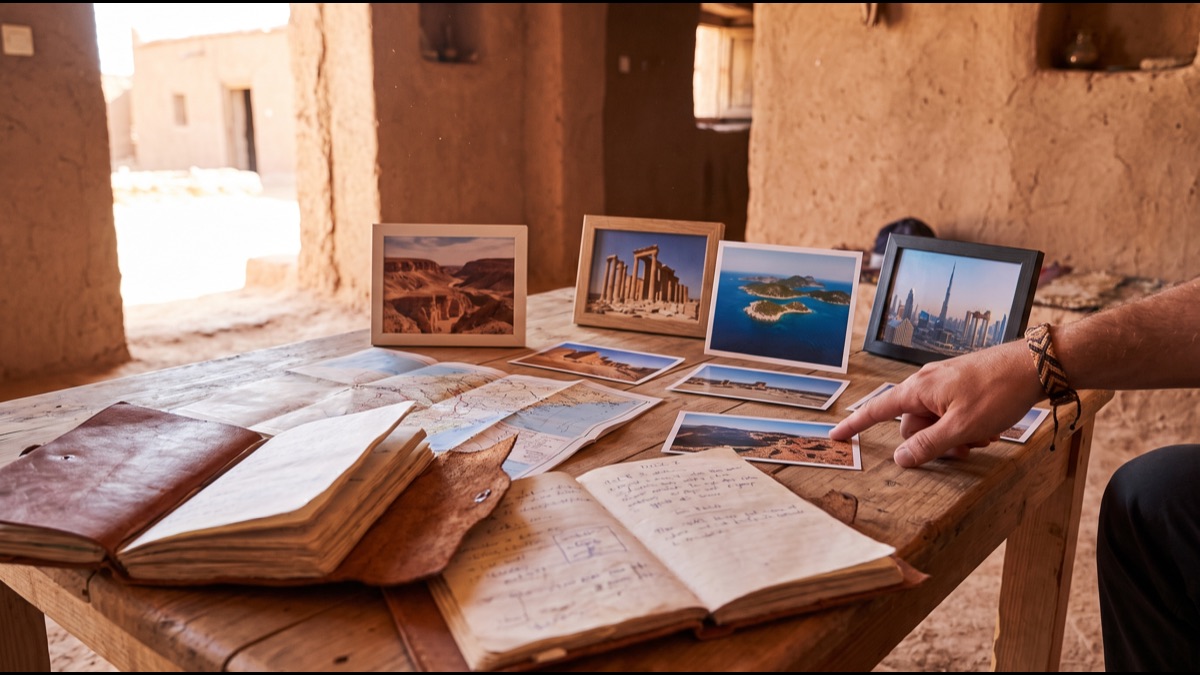
10 Best Places to Visit in Saudi Arabia
Saudi Arabia has quickly become one of the world’s most interesting emerging travel destinations. Since Vision 2030 opened the country more widely to visitors, the best places in Saudi Arabia have drawn travelers from across the globe. The Kingdom’s geography is unusually varied: Red Sea coastlines, green mountain villages in Asir, ancient ruins in AlUla, and a fast-changing capital in Riyadh.
If you are planning a trip to Saudi Arabia, this guide gathers the places that best combine deep history, landscape, food, architecture, and modern city life.
1. AlUla: Stone and Desert History
AlUla, in northwestern Saudi Arabia, is the Kingdom’s best-known cultural destination. It includes Hegra, the UNESCO-listed Nabataean site with more than 100 rock-cut tombs, and a restored old-town district set around the oasis. The winter arts and events season also brings international artists and visitors to the valley. For official event planning, see Experience AlUla.
2. Edge of the World: Riyadh’s Dramatic Escarpment
The Edge of the World near Riyadh is one of the country’s most striking natural scenes. About 90 km from the capital, its cliffs overlook a seemingly endless plain. Sunrise and sunset are the best times to visit. For a deeper look, read our guide to the Edge of the World.
3. Historic Jeddah: Gateway to the Hijaz
Historic Jeddah, also known as Al-Balad, is the architectural heart of the old Hijaz. Its coral-stone houses, wooden roshan balconies, traditional markets, and Red Sea setting tell the story of a city that served pilgrims and traders for centuries.
4. Diriyah: Birthplace of the Saudi State
Diriyah sits northwest of Riyadh and is central to modern Saudi history. Its UNESCO-listed At-Turaif district preserves Najdi architecture and the early story of the Saudi state. Today, the restored district combines museums, restaurants, walking routes, and open-air cultural spaces. Read more in our guide to Diriyah.
5. Asir: The Green Mountains
Asir looks very different from the common desert image of Saudi Arabia. Around Abha, visitors find cool mountain air, mist, heritage villages, and the high peaks of Jabal Sawda. The region is one of the best places in Saudi Arabia for hiking, photography, and summer escapes.
6. The Red Sea Coast
The Red Sea coast is known for coral reefs, clear water, and islands that are only now being developed for tourism. Red Sea Global is building luxury resorts in carefully managed marine environments, while Umluj, Al Wajh, and Yanbu remain popular coastal escapes. See the official project updates at Red Sea Global.
7. Riyadh: Heritage and Modernity
Riyadh is not just an administrative capital; it is a useful first stop for understanding the country’s transformation. Kingdom Centre, Al Faisaliah Tower, Dirah, and the National Museum show different sides of the city. If food is part of your travel plan, start with our guide to the best restaurants in Riyadh.
8. Tabuk and Northern Valleys
Tabuk is a gateway to northwestern landscapes and archaeological routes. Wadi Al Disah and nearby desert formations are especially photogenic, with sandstone cliffs, palms, and seasonal water after rainfall. The region also gives travelers access to some of the Kingdom’s most ambitious future tourism projects.
9. Qassim: Palm Groves and Najdi Heritage
Qassim is one of the agricultural hearts of central Saudi Arabia. Its palm groves, date markets, museums, and traditional architecture offer a quieter view of Najdi life away from the biggest cities.
10. Abha: City of Mist and Flowers
Abha, the capital of Asir, is known for cool weather, mountain views, and heritage villages such as Rijal Almaa. It is a strong family destination and a useful base for exploring southern Saudi Arabia.
How to Plan Your Saudi Trip
Travel to Saudi Arabia is now easier than it was for most international visitors. Tourist information, destination guides, and visa guidance are available through the official Visit Saudi platform at Visit Saudi. Domestic flights connect the main cities, and hotel options range from global luxury brands to local stays.
For most travelers, winter—roughly November to March—is the most comfortable season. In summer, mountain areas such as Asir are cooler, while Red Sea destinations remain attractive for water activities.
Conclusion
Saudi Arabia offers a travel experience that is still being discovered by many international visitors. From AlUla’s tombs to Asir’s mountains, from Jeddah’s old town to Riyadh’s modern skyline, the Kingdom is no longer a single-image destination. It is a country of regions, histories, and landscapes.
Frequently Asked Questions
Do you need a visa to visit Saudi Arabia?
Most visitors need a tourist visa or e-visa, depending on nationality. Official requirements should always be checked before booking.
What is the best time to visit Saudi Arabia?
Winter, from November to March, is generally the best time because temperatures are milder across most regions.
Is Saudi Arabia safe for tourists?
Saudi Arabia is widely presented as a safe destination for travelers, but visitors should still follow local laws, cultural norms, and official travel advice.
What are the main UNESCO sites in Saudi Arabia?
Key UNESCO-listed places include Hegra, At-Turaif in Diriyah, Historic Jeddah, rock art sites, and other heritage landscapes listed by UNESCO.
Are there international restaurants in Saudi Arabia?
Yes. Riyadh, Jeddah, Khobar, and other cities have a strong mix of Saudi, regional, and international restaurants.
Sources
- Visit Saudi — official destination guide. Visit Saudi
- UNESCO — World Heritage Sites in Saudi Arabia. World Heritage Sites in Saudi Arabia
- Experience AlUla — official AlUla destination and events platform. Experience AlUla
- AlUla Moments — annual events calendar. AlUla Moments
- Red Sea Global — tourism development projects. Red Sea Global
- General Authority of Civil Aviation. GACA
- Asir Development Authority. Asir Development Authority
- Alrai. Alrai
- Sputnik Arabic. Sputnik Arabic
- AlArabiya. AlArabiya