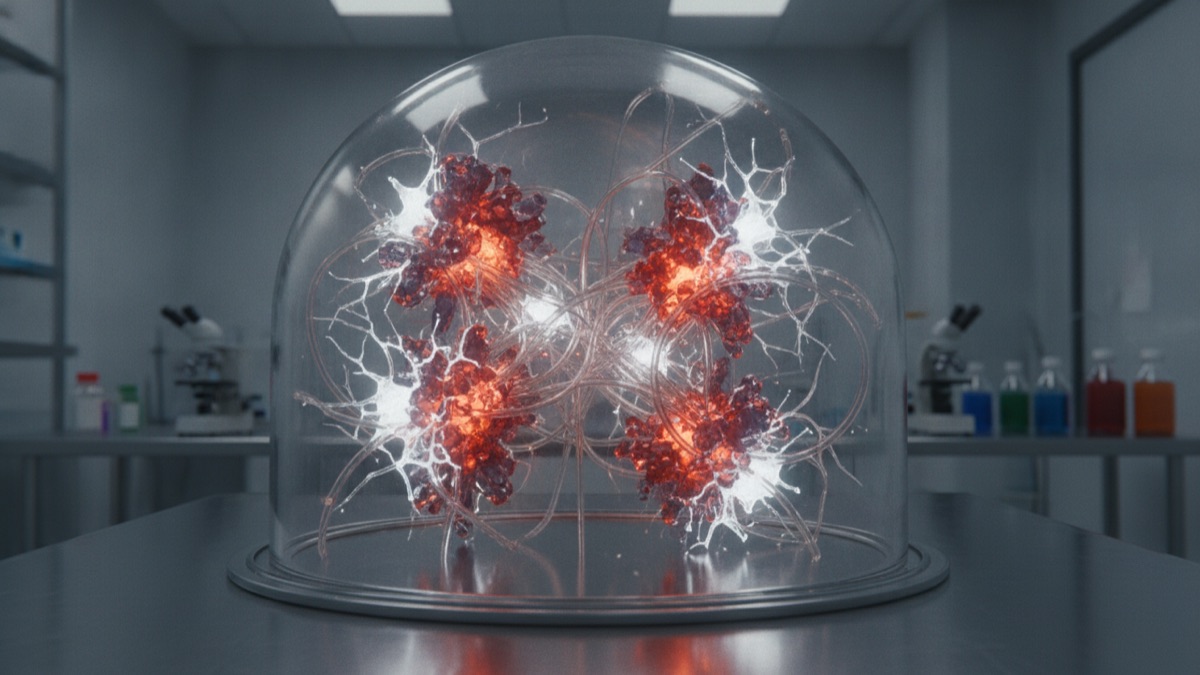
A healthy immune system normally distinguishes the body's own cells from foreign invaders using molecular markers on the cell surface. In an autoimmune disease, that recognition process fails for certain tissue, and the immune system produces autoantibodies that attack cells it should be protecting.
More than 80 distinct autoimmune diseases have been identified, including type 1 diabetes, rheumatoid arthritis, lupus, multiple sclerosis, Hashimoto's thyroiditis, and celiac disease, each targeting a different tissue or organ system depending on which self-markers get misidentified.
When the Immune System Attacks the Body It's Meant to Protect
Why Autoimmune Disease Skews So Heavily Female
Most researchers believe onset requires a combination of genetic predisposition and an environmental trigger, often a viral infection or significant physical stress, rather than either factor alone. That's part of why autoimmune diseases can run in families without every carrier of the risk genes actually developing the condition.
Roughly 78 to 80% of people with autoimmune disease are women. Leading theories point to immune-related genes carried on the X chromosome, hormonal influence from estrogen on immune activity, and fetal microchimerism, small numbers of fetal cells that persist in a mother's body long after pregnancy and may occasionally trigger immune reactions. Treatment generally focuses on managing the immune response with immunosuppressants or newer biologic drugs rather than curing the underlying cause, since the precise trigger often remains unclear.
Sources
- National Institutes of Health — autoimmune disease overview
- Mayo Clinic — symptoms and causes of autoimmune diseases
- American Autoimmune Related Diseases Association — why autoimmune disease affects women more
FAQ
How many autoimmune diseases are there?
Researchers have identified more than 80 distinct autoimmune diseases, ranging from common conditions like Hashimoto's thyroiditis to rarer ones, each affecting different tissue.
Why do autoimmune diseases affect women so much more often than men?
Leading theories include immune-related genes on the X chromosome, the influence of estrogen on immune activity, and fetal microchimerism from past pregnancies, though researchers haven't settled on one single explanation.
Can autoimmune diseases be cured?
Most current treatments manage the immune response with immunosuppressants or biologic drugs rather than curing the underlying condition, since the precise combination of triggers usually remains unclear.
About the Author
We reference National Institutes of Health, Mayo Clinic, American Autoimmune Related Diseases Association to explain the background and current understanding of this topic.
Loved This Article?
Share it on WhatsApp → Share it on WhatsApp
Get more guides in your inbox — Subscribe to our newsletter for weekly surprising stories from Egypt, Saudi Arabia, Dubai, and beyond.