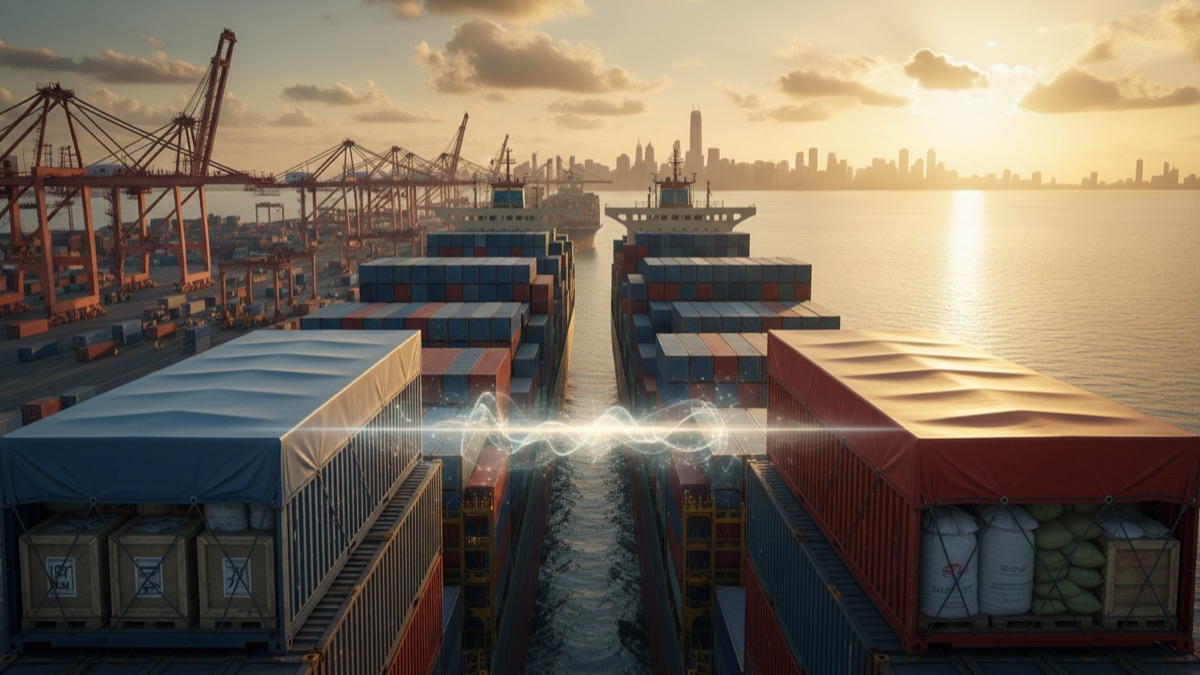
Reducing Barriers Between Countries
A free trade agreement, often abbreviated FTA, is a formal agreement between two or more countries that reduces or removes tariffs, quotas, and other barriers on trade between them, making cross-border commerce cheaper and simpler.
These agreements can be bilateral, between just two countries, or multilateral, involving several countries or an entire economic bloc, and their scope can range from covering only certain goods to broad agreements including services and investment rules.
Why Countries Sign Them
Governments typically pursue free trade agreements to expand market access for domestic exporters, attract foreign investment, and lower costs for consumers by reducing the tariffs that would otherwise raise the price of imported goods.
Supporters argue that FTAs boost economic growth and efficiency by allowing countries to specialize in producing what they do best, while critics point to risks such as job losses in industries that struggle to compete with cheaper imports.
Beyond Just Tariffs
Modern free trade agreements often go well beyond simply cutting tariffs, including provisions on intellectual property protection, labor standards, environmental rules, and dispute resolution mechanisms between the signing countries.
Because of this broader scope, negotiating a free trade agreement can take years, and agreements are often revisited or renegotiated as economic conditions and political priorities shift between the involved countries.
Sources
- World Trade Organization — background on trade agreements and tariff policy
- International Monetary Fund — economic background on trade liberalization
- Reuters — financial reporting on free trade negotiations
FAQ
What does a free trade agreement typically do?
It reduces or removes tariffs, quotas, and other barriers on trade between the signing countries.
Can a free trade agreement involve more than two countries?
Yes, agreements can be bilateral between two countries or multilateral, involving several countries or an economic bloc.
Do modern trade agreements cover more than tariffs?
Often yes, including provisions on intellectual property, labor standards, environmental rules, and dispute resolution.
About the Author
We reference the WTO, the IMF, Reuters to explain the background and current understanding of this topic.
Loved This Article?
Share it on WhatsApp → Share it on WhatsApp
Get more guides in your inbox — Subscribe to our newsletter for weekly surprising stories from Egypt, Saudi Arabia, Dubai, and beyond.