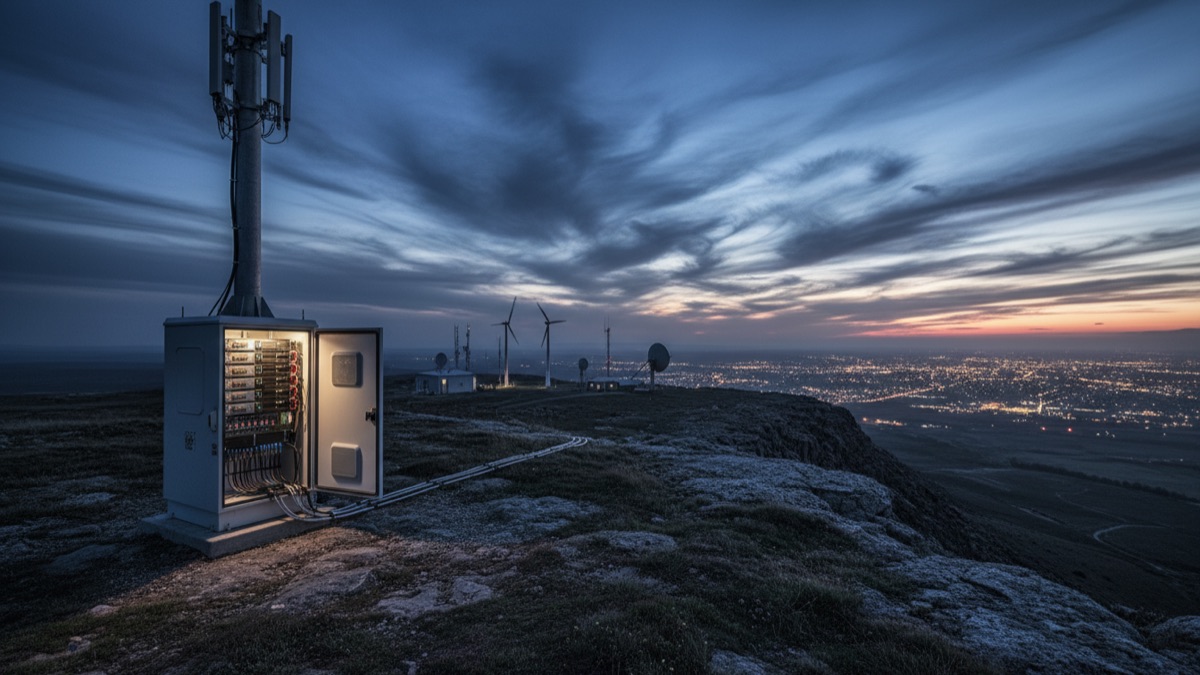
Moving Computing Closer to the Data
Edge computing is an approach to processing data near where it is generated, such as at a factory, in a vehicle, or on a local network device, rather than transmitting all of it to a centralized cloud data center for processing.
This contrasts with traditional cloud computing, where data typically travels from a device to a distant server, is processed there, and then sends results back, which can introduce noticeable delay depending on network conditions.
Why Reducing Delay Matters
For applications where even small delays matter, such as autonomous vehicles reacting to obstacles or industrial equipment responding to sensor readings in real time, processing data locally at the "edge" can be significantly faster than a round trip to a distant cloud server.
Edge computing can also reduce the amount of raw data that needs to be transmitted over a network, since some processing or filtering happens locally before only the necessary results are sent onward.
Common Use Cases
Edge computing is widely used in areas like industrial automation, smart city infrastructure, retail analytics, and connected vehicles, where quick local processing improves responsiveness or reduces dependence on constant network connectivity.
It is generally described as complementary to, rather than a replacement for, cloud computing, since less time-sensitive tasks like long-term data storage and large-scale analysis are still often handled centrally in the cloud.
Sources
- IBM — a technical overview of edge computing architecture
- Microsoft — background on edge computing use cases
- The Verge — technology reporting on edge computing applications
FAQ
How does edge computing differ from cloud computing?
Edge computing processes data locally, near its source, while traditional cloud computing sends data to a distant centralized server.
Why does edge computing help reduce delay?
Processing data locally avoids the round trip to a distant server, which matters for time-sensitive applications like autonomous vehicles.
Does edge computing replace the cloud?
No, it is generally used alongside cloud computing, with less time-sensitive tasks still handled centrally.
About the Author
We reference IBM, Microsoft, The Verge to explain the background and current understanding of this topic.
Loved This Article?
Share it on WhatsApp → Share it on WhatsApp
Get more guides in your inbox — Subscribe to our newsletter for weekly surprising stories from Egypt, Saudi Arabia, Dubai, and beyond.