Introduction
Egypt's currency is the Egyptian pound (EGP, sometimes written as LE from the French 'livre égyptienne'), which has experienced significant value fluctuations against major foreign currencies in recent years following periods of currency flotation policy by the Central Bank of Egypt. Because of this history, checking a current, reliable exchange rate close to your travel dates is more important in Egypt than in many other destinations, rather than relying on rates from months earlier.
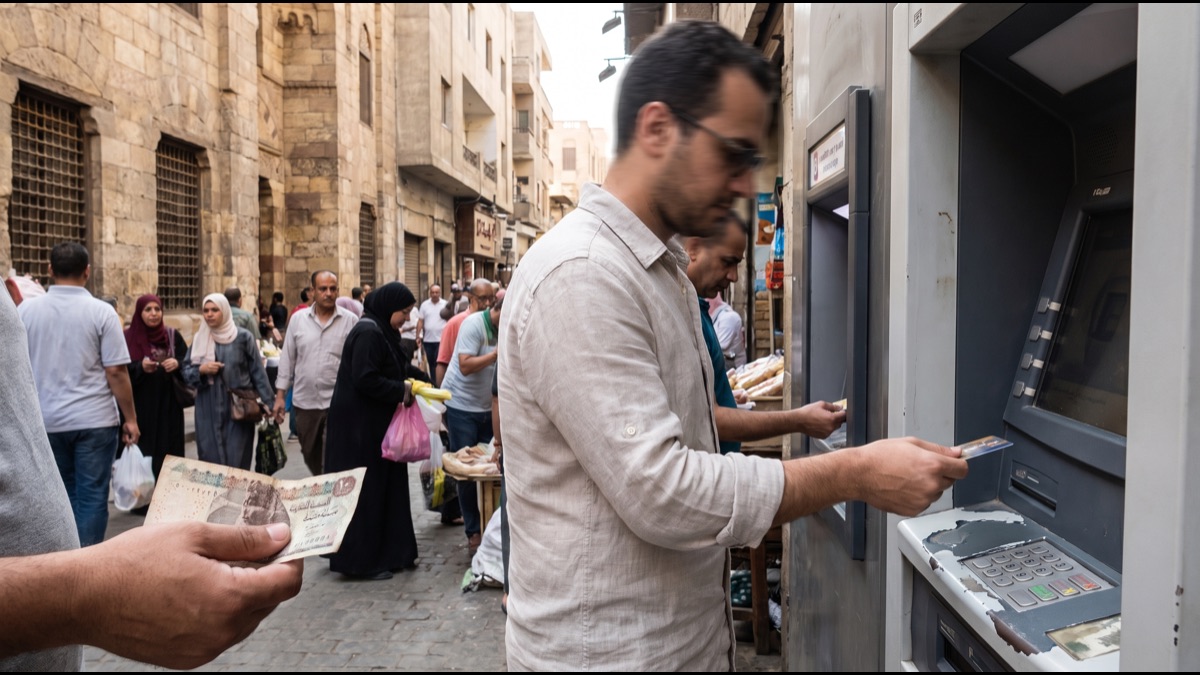
Egypt remains largely a cash-based economy outside major hotels, upscale restaurants, and international retail chains, making a mix of cash and card access the practical approach for most visitors.
Cash vs. Card: What to Expect
Major hotels, larger restaurants in tourist areas, and international chain stores generally accept international credit and debit cards, but many smaller restaurants, local shops, taxis, and market vendors operate cash-only. Carrying a reasonable amount of Egyptian pounds in small denominations is essential for daily expenses like tipping, small purchases, and transport, since vendors in these settings frequently cannot break large notes.
Notifying your bank of travel plans before departure is a sensible precaution to avoid unexpected card blocks, and carrying a backup card from a different network is worth considering given occasional card-reader issues at smaller establishments.
Using ATMs in Egypt
ATMs are widely available in Cairo, Alexandria, Luxor, Aswan, and Red Sea resort towns, generally the most practical way to obtain Egyptian pounds at a reasonable exchange rate compared to airport currency exchange counters. International bank cards on major networks like Visa and Mastercard are generally accepted, though withdrawal limits per transaction can be relatively low, sometimes requiring multiple withdrawals for larger cash needs.
As in most countries, using ATMs located inside banks or well-lit, populated areas rather than standalone street machines is a sensible safety practice, and checking your card issuer's foreign transaction and ATM fees before travel helps avoid unexpected costs.
Currency Exchange
Currency exchange offices and bank branches throughout major cities offer official exchange rates, generally more favorable than airport kiosks, which tend to charge a premium for the convenience of exchanging immediately upon arrival. Exchanging a modest amount at the airport to cover initial transport and small expenses, then using ATMs or city exchange offices for larger amounts, is a common practical approach.
Egyptian pounds obtained through official channels can generally be exchanged back at the airport before departure, though converting large leftover amounts can sometimes be inconvenient, so estimating cash needs reasonably in advance helps avoid excess local currency at the end of a trip.
Practical Budgeting Tips
Small denomination notes are valuable for tipping (baksheesh), a widespread practice in Egyptian service culture, so requesting some small bills specifically when exchanging or withdrawing money is a practical habit. Prices at tourist sites, souvenir markets, and informal transport are often subject to negotiation, particularly for goods and services outside fixed-price establishments, which affects realistic day-to-day budgeting more than official published prices alone.
Mobile payment apps and digital wallets have grown in use among younger urban Egyptians, but they remain far less universal than cash for tourist-facing transactions, so travelers should not expect to rely on them as a primary payment method during a typical visit. Keeping a rough daily budget in mind, adjusted for whether you plan to eat mostly at street stalls versus formal restaurants, helps translate the exchange rate into a realistic sense of costs while traveling.
Sources
- Central Bank of Egypt — Official currency and exchange rate information
- Egyptian Ministry of Tourism and Antiquities — General practical travel and money information for visitors
- IATA Travel Centre — Independent currency and customs regulation lookup by country
- Encyclopaedia Britannica — Egyptian economy and currency reference entry
FAQ
What is the currency in Egypt?
Egypt's currency is the Egyptian pound (EGP, sometimes written LE). Its exchange rate against major foreign currencies has fluctuated significantly in recent years, so checking a current rate close to your travel dates is important rather than relying on older figures.
Are credit cards widely accepted in Egypt?
Major hotels, larger restaurants in tourist areas, and international chain stores generally accept cards, but many smaller restaurants, taxis, and market vendors operate cash-only, making a mix of cash and card access the practical approach.
Where should I withdraw cash in Egypt?
ATMs are widely available in major cities and resort towns and generally offer a more reasonable exchange rate than airport currency exchange counters, though per-transaction withdrawal limits can be relatively low.
Should I exchange money at the airport in Egypt?
Exchanging a modest amount at the airport for initial transport and small expenses is common, but city currency exchange offices and bank branches generally offer more favorable rates than airport kiosks for larger amounts.
Why should I carry small denomination notes in Egypt?
Small bills are valuable for tipping (baksheesh), a widespread practice in Egyptian service culture, and for small purchases and transport where vendors frequently cannot break large notes.
About the Author
doyouknow.app Editorial Team — We track official Central Bank of Egypt guidance and practical payment realities on the ground to keep our money and currency advice current and useful.
Loved This Article?
Share it on WhatsApp → Share on WhatsApp
Get more guides in your inbox — Subscribe to our newsletter for weekly surprising stories from Egypt, Saudi Arabia, Dubai, and beyond.