Introduction
Foreign residents living or working in Egypt for an extended period generally benefit from opening a local bank account, both for receiving local salary payments and for avoiding repeated foreign transaction fees on everyday purchases. This guide is aimed at residents and long-term visitors rather than short-term tourists, since a local account generally requires proof of residency status rather than simply holding a tourist visa.
Egypt's banking sector includes both large state-owned banks and a range of private and international banks operating locally, giving foreign residents a genuine choice depending on their priorities around service language, digital banking features, and branch accessibility.
Required Documents
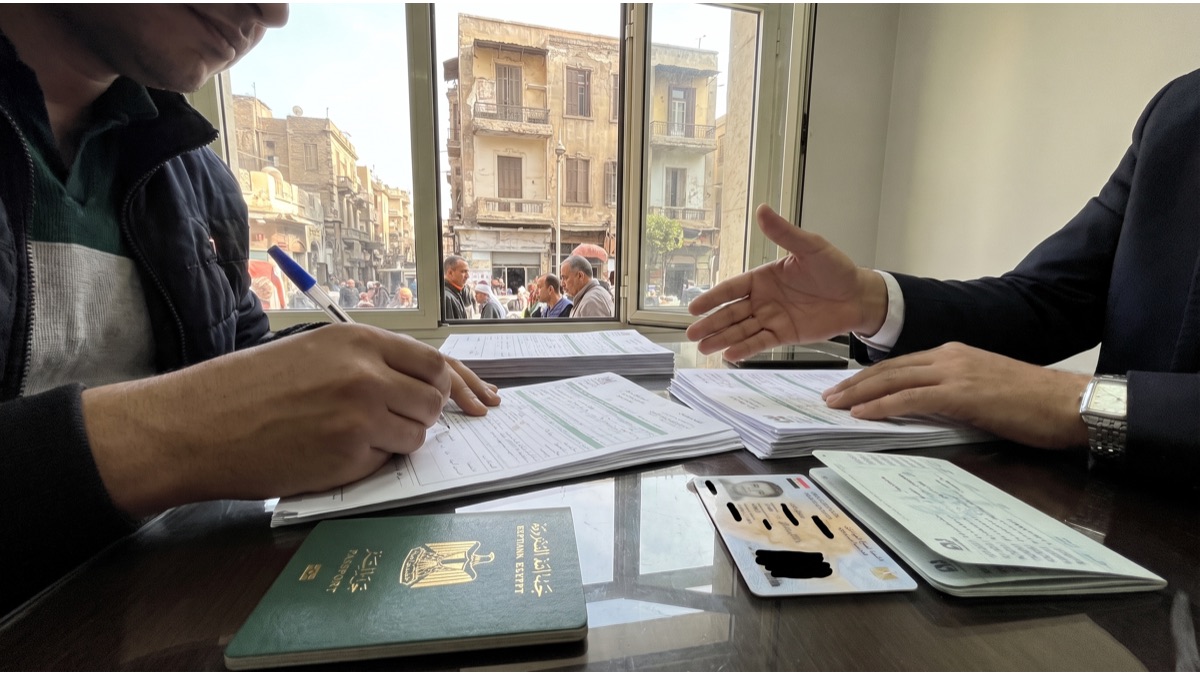
Standard requirements generally include a valid passport, a residency permit or valid visa demonstrating your legal status in Egypt, proof of address such as a utility bill or signed lease agreement, and sometimes a letter from an employer confirming your position and salary if opening the account for salary deposit purposes. Specific document requirements can vary between banks, so confirming the current checklist directly with your chosen bank before visiting a branch saves an unnecessary return trip.
Some banks may also request a minimum opening deposit, which varies by account type and institution, so asking about this upfront during your initial inquiry is worthwhile.
Choosing a Bank
Egypt's major banks include state-owned institutions like the National Bank of Egypt and Banque Misr, alongside private and international banks such as CIB (Commercial International Bank) and various regional and international banking groups with a presence in Cairo and other major cities. International banks or those with strong English-language digital banking platforms are often preferred by expats less comfortable navigating Arabic-language banking systems, though larger state banks generally offer a wider branch and ATM network.
Comparing account fees, minimum balance requirements, and international transfer capabilities across a few banks before committing is worthwhile, since terms can vary meaningfully even among comparable account types.
Account Types and Currency Options
Most banks offer both Egyptian pound accounts and, for eligible foreign residents, foreign currency accounts (commonly US dollar or euro), which can be useful for residents receiving income from abroad or wanting to hold savings outside the Egyptian pound given its currency history. Regulations around foreign currency accounts and transfers can change, so confirming current rules with your bank rather than relying on outdated general information is important given Egypt's periodic currency policy adjustments.
Basic checking and savings account structures are broadly similar to international norms, though specific features like debit card issuance timelines and online banking setup processes vary by institution.
Practical Tips
Visiting a branch in person for your initial account opening is generally required rather than doing so entirely online, so allowing time for an in-person appointment, potentially with an English-speaking staff member if needed, is worth planning for. Once opened, most major Egyptian banks offer functional mobile banking apps for everyday account management, transfers, and bill payments, reducing the need for repeated branch visits after the initial setup.
International money transfer services and fintech apps are increasingly used alongside traditional bank accounts by foreign residents in Egypt for receiving payments from abroad, sometimes offering more favorable exchange rates than a standard bank transfer, though they typically work best as a complement to, rather than a replacement for, a local account for day-to-day transactions.
Sources
- Central Bank of Egypt — Official banking regulation and currency policy information
- National Bank of Egypt — Official account types and requirements for one of Egypt's major state banks
- CIB (Commercial International Bank) — Private bank account information relevant to expat and foreign resident banking
- Egyptian Ministry of Tourism and Antiquities — General residency and practical information for foreign visitors and residents
FAQ
Can tourists open a bank account in Egypt?
Generally, no. This process is aimed at residents and long-term visitors, since opening a local account typically requires proof of residency status, such as a residency permit or valid long-term visa, rather than simply holding a tourist visa.
What documents do I need to open a bank account in Egypt?
Standard requirements generally include a valid passport, a residency permit or valid visa, proof of address such as a utility bill or lease agreement, and sometimes an employer letter confirming your position and salary, though specific requirements vary by bank.
Which bank is best for foreign residents in Egypt?
International banks or those with strong English-language digital banking, such as CIB, are often preferred by expats less comfortable with Arabic-language systems, though larger state banks like the National Bank of Egypt generally offer a wider branch and ATM network.
Can I open a foreign currency account in Egypt?
Most banks offer foreign currency accounts, commonly in US dollars or euros, for eligible foreign residents, though regulations around these accounts can change, so confirming current rules directly with your bank is important.
Do Egyptian banks offer mobile banking apps?
Yes. Most major Egyptian banks offer functional mobile banking apps for everyday account management, transfers, and bill payments once your account is opened, reducing the need for repeated branch visits afterward.
About the Author
doyouknow.app Editorial Team — We track official banking regulations and compare requirements across major Egyptian banks to keep our guidance for foreign residents accurate and practical.
Loved This Article?
Share it on WhatsApp → Share on WhatsApp
Get more guides in your inbox — Subscribe to our newsletter for weekly surprising stories from Egypt, Saudi Arabia, Dubai, and beyond.