Introduction
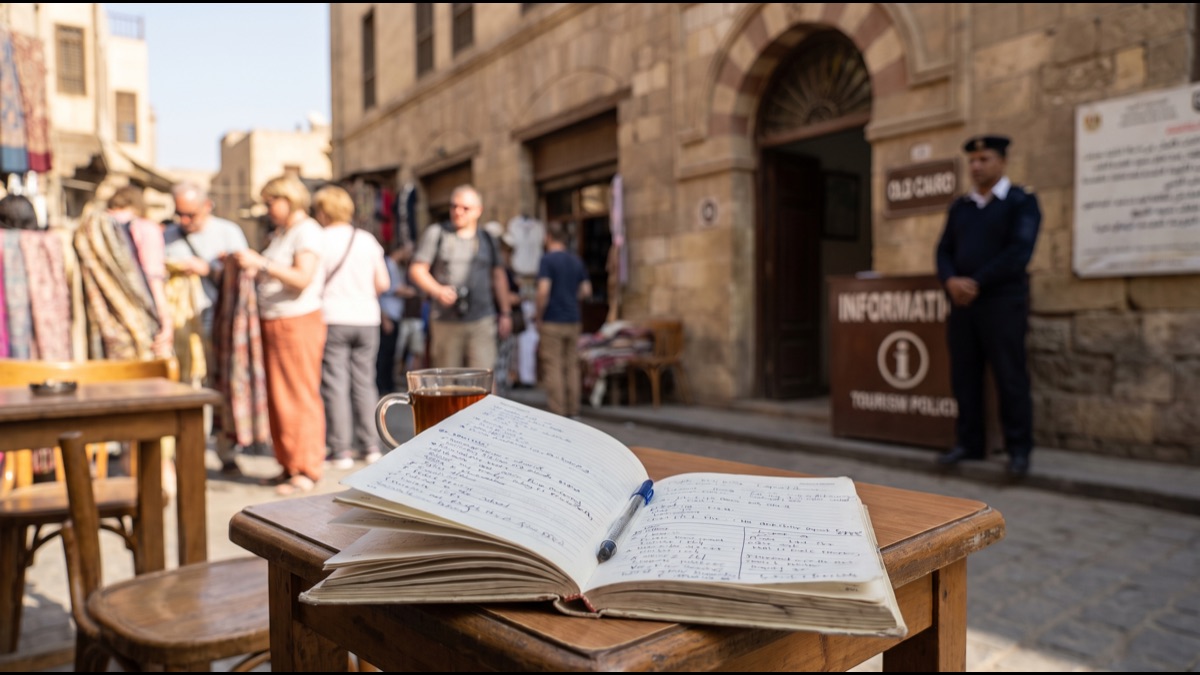
Millions of tourists visit Egypt each year without incident, and the country's major tourist areas, including the Giza Plateau, Luxor, Aswan, and the main Red Sea resorts, maintain a visible tourism police presence specifically focused on visitor safety. As with any international destination, sensible precautions rather than particular alarm are the right approach, and staying informed through official government travel advisories closer to your travel dates is more useful than relying on outdated general impressions.
This guide covers the most practically relevant safety topics for typical tourist itineraries rather than attempting to summarize every possible risk category.
General Safety and Petty Crime
Violent crime targeting tourists is rare in Egypt's main visitor areas, but petty theft and pickpocketing can occur in crowded markets, transport hubs, and tourist sites, making standard precautions like keeping valuables secure and being alert in dense crowds sensible rather than excessive. Solo female travelers may encounter more frequent unwanted attention or catcalling than in some other destinations, and dressing modestly, particularly away from resort areas and beaches, generally reduces this.
Checking your home country's current official travel advisory for Egypt before departure is the most reliable way to stay informed about any region-specific guidance, since conditions and recommendations can change and official sources are updated more reliably than general online impressions.
Road Safety
Road traffic accidents represent one of the more statistically significant safety risks for visitors to Egypt, given generally assertive local driving styles, inconsistent lane discipline, and limited pedestrian infrastructure in many areas, particularly in central Cairo. Using licensed taxis, ride-hailing apps, or hotel-arranged transport rather than self-driving is a common practical choice for visitors unfamiliar with local road conditions, and crossing streets carefully, following the lead of local pedestrians where safe to do so, is genuinely useful practical advice in dense urban areas.
Night driving on intercity roads, particularly in the desert regions between cities, carries additional risk due to limited lighting and occasional livestock or debris on roadways, making daytime travel generally preferable for longer road journeys.
Common Tourist Scams
Overcharging for camel or horse rides near the Giza Plateau, unsolicited 'free' guide services at major sites that end with an aggressive demand for payment, and inflated prices for unmetered taxis are among the most commonly reported minor scams affecting tourists. Agreeing on a price clearly and in advance for any service — transport, camel rides, informal guiding — before accepting it is the single most effective way to avoid disputes.
Shop staff at some souvenir markets may use high-pressure sales tactics; politely but firmly declining and walking away remains effective, and bargaining is a normal, expected part of shopping in most tourist markets rather than something to feel uncomfortable about.
Health Precautions
Drinking bottled or properly filtered water rather than tap water is standard practice for visitors to reduce the risk of stomach upset, and this precaution extends to ice in drinks at less established establishments. Sun exposure and heat-related illness are a more realistic daily risk than most infectious disease concerns for typical tourist itineraries, particularly during peak summer months in the Nile Valley, making hydration, sun protection, and pacing outdoor activity around the coolest parts of the day genuinely important precautions.
Consulting a travel health provider or clinic before departure for any recommended vaccinations or health precautions specific to your itinerary and personal health history remains sound general travel advice for Egypt as for any international destination.
Sources
- Egyptian Ministry of Tourism and Antiquities — Official tourism safety information and tourism police contact details
- U.S. Department of State Travel Advisories — Independent government travel advisory for Egypt, updated regularly
- UK Foreign, Commonwealth & Development Office — UK government travel advisory for Egypt
- World Health Organization — General international travel health guidance and precautions
FAQ
Is Egypt safe for tourists in 2026?
Millions of tourists visit Egypt each year without incident, and major tourist areas maintain a visible tourism police presence. Standard travel precautions rather than particular alarm are the appropriate approach, and checking your home country's current official travel advisory before departure is recommended.
What are the most common scams targeting tourists in Egypt?
Overcharging for camel or horse rides, unsolicited 'free' guide services that end with a demand for payment, and inflated unmetered taxi prices are among the most commonly reported issues. Agreeing on a price clearly in advance for any service is the most effective way to avoid disputes.
Is it safe to drink tap water in Egypt?
Drinking bottled or properly filtered water rather than tap water is standard practice for visitors to reduce the risk of stomach upset, and this precaution extends to ice in drinks at less established establishments.
Is driving in Egypt dangerous for tourists?
Road traffic represents one of the more statistically significant safety risks, given assertive local driving styles and inconsistent lane discipline. Most visitors use licensed taxis, ride-hailing apps, or hotel-arranged transport rather than self-driving, particularly in central Cairo.
Is Egypt safe for solo female travelers?
Many solo female travelers visit Egypt without serious incident, though unwanted attention or catcalling can occur more frequently than in some other destinations. Dressing modestly, particularly away from resort areas, generally reduces this.
About the Author
doyouknow.app Editorial Team — We cross-reference official government travel advisories with practical, on-the-ground guidance to keep our Egypt safety information balanced and genuinely useful.
Loved This Article?
Share it on WhatsApp → Share on WhatsApp
Get more guides in your inbox — Subscribe to our newsletter for weekly surprising stories from Egypt, Saudi Arabia, Dubai, and beyond.