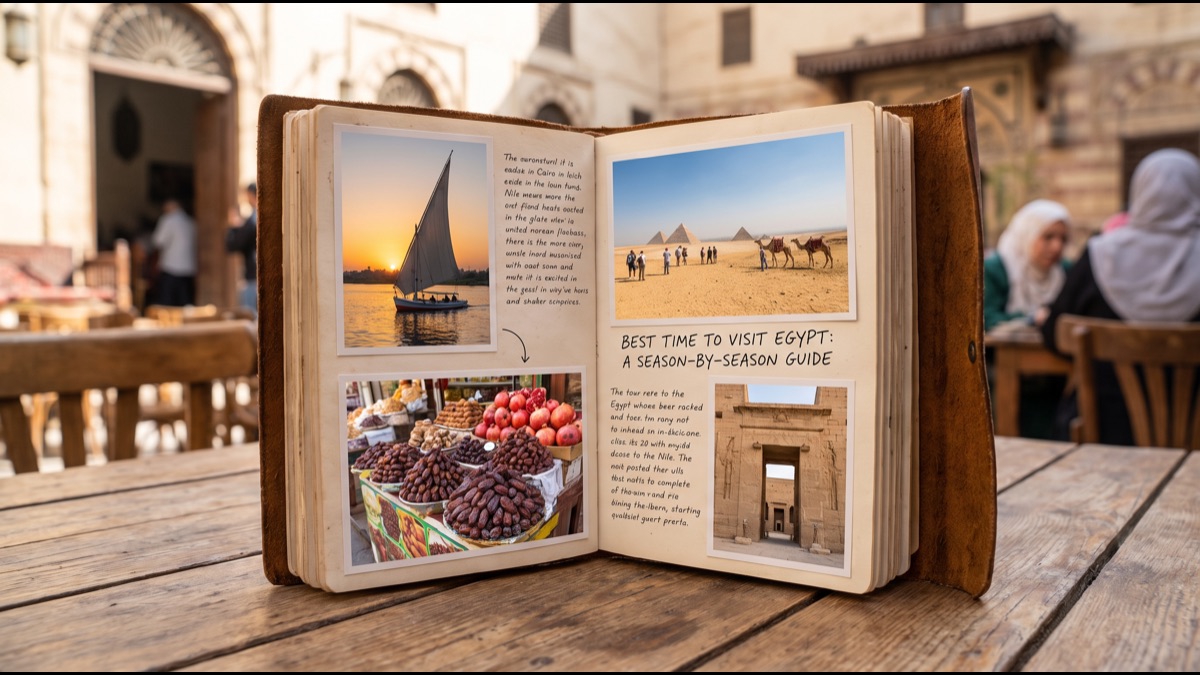
Introduction
Egypt's climate varies significantly by region, meaning the 'best' time to visit genuinely depends on which parts of the country are on your itinerary. The Nile Valley and desert interior experience an intense, largely dry heat, while the Red Sea coast stays warm enough for swimming nearly year-round, and Alexandria on the Mediterranean has a noticeably milder, sometimes rainy winter unlike anywhere else in the country.
For most first-time visitors combining Cairo, Luxor, and Aswan, timing centers on avoiding the harshest summer heat in the Nile Valley rather than worrying about rain, since much of Egypt receives very little rainfall throughout the year.
Winter (November–February)
Winter is widely considered peak season for Nile Valley and Cairo sightseeing, with comfortable daytime temperatures generally in the high teens to mid-20s°C, ideal for walking around outdoor temple sites with minimal shade. Nights, particularly in the desert and Upper Egypt, can be notably cool, so packing layers remains important even during the most comfortable months.
Because winter draws the largest crowds and highest hotel rates at major sites like the Pyramids and Luxor's temples, booking accommodation and any premium tomb tickets well in advance is advisable during this period.
Spring (March–April)
Spring offers a reasonable compromise between winter's cooler comfort and summer's heat, with generally pleasant daytime temperatures through most of March before conditions start warming noticeably by late April. One factor specific to this season is the khamsin, a hot, dry wind that can bring sudden sandstorms and reduced visibility, typically occurring in short bursts during March and April rather than as a sustained condition.
Spring generally sees smaller crowds than peak winter months while retaining much of winter's comfortable sightseeing weather, making it a solid alternative for travelers wanting to avoid the most crowded period.
Summer (May–September)
Summer brings intense heat to the Nile Valley and desert regions, with Luxor and Aswan regularly exceeding 40°C during the day, making outdoor sightseeing at temple sites genuinely demanding without careful planning around early morning hours and air-conditioned transport. The Red Sea coast remains more manageable, with sea breezes moderating the heat somewhat compared to the enclosed Nile Valley, making beach-focused itineraries a reasonable summer option even when Nile Valley touring is not.
Summer does offer meaningfully lower hotel prices and smaller crowds at major sites, which some experienced or budget-focused travelers deliberately choose despite the heat, provided they plan sightseeing around the coolest parts of the day.
Autumn (October)
October marks the transition back toward more comfortable conditions, with temperatures gradually cooling through the month and crowds still noticeably lighter than the winter peak, making it one of the better-value windows for combining decent weather with lower prices. By late October, conditions across most of the country closely resemble the more popular winter season without yet reaching peak-season pricing or crowd levels.
Choosing Timing by Itinerary
Travelers focused primarily on Cairo and the Nile Valley (Luxor, Aswan) should prioritize October through April for comfortable sightseeing at largely shade-free outdoor sites. Those focused mainly on Red Sea diving and beach destinations like Sharm El Sheikh, Hurghada, or Dahab have far more flexibility, since water temperatures remain swimmable and diveable throughout the year, making these destinations genuinely viable in any season, including peak summer.
Sources
- Egyptian Ministry of Tourism and Antiquities — Official seasonal travel guidance for Egypt
- Encyclopaedia Britannica — Egypt climate reference entry
- World Meteorological Organization — Regional climate context for North Africa and the Nile Valley
- EgyptAir — Seasonal flight and travel demand information
FAQ
What is the best month to visit Egypt?
December through February generally offers the most comfortable temperatures for Nile Valley and Cairo sightseeing, though this is also peak season with the largest crowds and highest prices at major sites like the Pyramids and Luxor's temples.
Is Egypt too hot to visit in summer?
The Nile Valley and desert regions, including Luxor and Aswan, become genuinely very hot in summer, often exceeding 40°C. The Red Sea coast remains more manageable due to sea breezes, making beach-focused summer trips a reasonable option even when Nile Valley touring is less comfortable.
When are Red Sea resorts like Sharm El Sheikh good to visit?
Nearly year-round. Water temperatures remain swimmable and diveable throughout the year along the Red Sea coast, though October through April offers more comfortable land temperatures for activities outside the water.
What is the khamsin?
The khamsin is a hot, dry wind that can bring sudden sandstorms and reduced visibility, typically occurring in short bursts during March and April rather than as a sustained seasonal condition.
Is October a good time to visit Egypt?
Yes. October offers gradually cooling temperatures and noticeably lighter crowds than the winter peak, making it one of the better-value windows for combining comfortable weather with lower prices.
About the Author
doyouknow.app Editorial Team — We combine official climate data with seasonal tourism patterns to give travelers a realistic picture of what to expect at different times of year in Egypt.
Loved This Article?
Share it on WhatsApp → Share on WhatsApp
Get more guides in your inbox — Subscribe to our newsletter for weekly surprising stories from Egypt, Saudi Arabia, Dubai, and beyond.