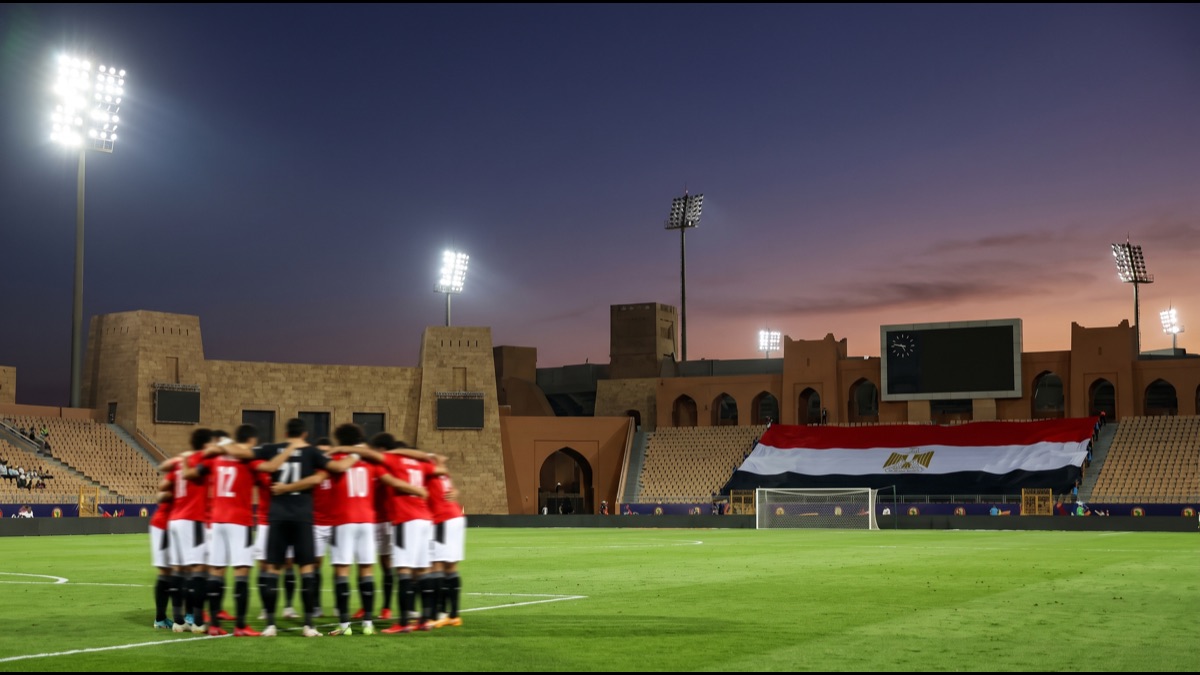
Egypt arrive at World Cup 2026 with one of the strongest football identities in the Arab world: immense support, historical weight, and a habit of carrying national expectations into every match. The Pharaohs are rarely ignored, even when the tactical reality is more complicated than the emotional story. As the most successful nation in Africa Cup of Nations history with seven titles, Egypt's pedigree is unmatched on the continent, yet their World Cup record remains modest by comparison.
Their challenge is clear. Egypt must turn moments of individual brilliance into sustained tournament control. That means better tempo management, better chance creation, and a structure that supports stars rather than asking them to solve everything alone. The current generation, led by one of the greatest African players of all time, has the talent to make a deep run but must overcome the historical pattern of underperformance on the global stage.
Key Takeaways
- Egypt remain one of the Arab world's most closely watched teams.
- Their performances often depend on how well the system supports key attackers.
- Defensive discipline and midfield control are essential for consistency.
- Emotional intensity is an asset, but only when paired with patience.
- Egypt's campaign is about more than results; it is about restoring global authority.
- The 2026 squad blends experienced veterans with an emerging generation of talent.
Context and Overview of Egypt's 2026 Outlook
Egypt's football culture creates huge expectations. That passion can lift the team, but it can also distort analysis. In World Cup football, the most successful teams usually control rhythm, avoid chaos, and protect space intelligently. Egypt's domestic league, historically the strongest in Africa, has produced generations of technically gifted players, but the transition to international tournament football requires different qualities.
For Egypt, success depends on creating a platform where the attack receives quality service and the defense is not repeatedly exposed in transition. The Pharaohs have struggled in recent World Cup appearances to convert their continental dominance into global impact. Their qualification campaigns have often been nervy affairs, and the team has sometimes looked better on paper than on the pitch.
The 2026 cycle has brought renewed focus on tactical structure. Under current management, Egypt have experimented with different formations to find the optimal balance between attacking threat and defensive solidity. The key question is whether they can maintain that balance for the duration of a tournament, where the pressure mounts with each match and the margins for error shrink dramatically.
Historical Context: Egypt's World Cup Legacy
Egypt hold the distinction of being the first African nation to participate in a World Cup, competing in Italy 1934. That early promise was followed by a 56-year absence, with Egypt not returning to the global stage until 1990. Since then, their World Cup appearances have been sporadic: 1990, 2018, and now 2026. The 2018 campaign in Russia, featuring Mohamed Salah's first World Cup, ended in disappointment with three defeats despite high expectations.
The contrast between Egypt's continental record and global performance is stark. Seven Africa Cup of Nations titles, including three consecutive victories between 2006 and 2010, demonstrate a capacity for sustained excellence. Yet the World Cup has exposed recurring weaknesses: difficulty in breaking down organized defenses, vulnerability to quick transitions, and a tendency to rely too heavily on individual brilliance.
The 2026 qualification path was smoother than previous cycles, suggesting improved consistency. Egypt topped their African qualifying group with a blend of experienced performers and emerging talents. The challenge now is to translate that qualifying form into tournament success, something that has eluded Egyptian football for generations.
Breakdown of Egypt's Strengths and Challenges
Star Power
Egypt often carry game-changing talent in advanced positions. But star power only works consistently when the midfield can feed it. The Pharaohs have historically produced some of Africa's most talented forwards, from Mahmoud El-Khatib to Mohamed Aboutrika to the current generation. The question is whether the supporting structure can match the quality of the headline players.
Tournament Discipline
The Pharaohs are at their best when they remain compact and avoid emotional overcommitting. Egypt's most successful continental campaigns have been built on defensive organization first, with attacking flair added once the foundation is secure. Replicating that approach at World Cup level is essential.
Fan Energy
The emotional force around Egypt is real. It adds pressure, but it also creates belief. Egyptian supporters are among the most passionate in world football, and their presence in stadiums can create an atmosphere that lifts the team. The challenge is ensuring that energy fuels performance rather than creating paralysis.
Creativity Under Pressure
One of the biggest questions is whether Egypt can unlock disciplined defenses without becoming predictable. Against teams that sit deep, Egypt need alternative attacking routes beyond their primary playmaker. The development of secondary creative outlets has been a priority in recent months.
Tactical Analysis: Formation and Approach
Egypt typically set up in a 4-2-3-1 formation that provides defensive cover while allowing attacking freedom. The double pivot in midfield is crucial, offering protection to the back four while attempting to supply the advanced playmaker and forwards. In possession, Egypt look to work the ball through central areas, utilizing the technical quality of their midfielders to break lines.
Defensively, Egypt have worked on maintaining a compact mid-block that reduces space between the lines. This approach acknowledges that Egypt may not dominate possession against stronger opponents and must be comfortable defending for periods before springing counter-attacks. The full-backs are generally conservative, tucking in to form a back five when the team is under sustained pressure.
Set pieces represent a significant opportunity. Egypt possess several players with excellent delivery, and their aerial threat from corners and free-kicks is substantial. In tight matches, these situations could prove decisive, particularly against teams that organize well in open play. The coaching staff have reportedly dedicated significant training time to set-piece routines.
The transition from defense to attack is where Egypt's greatest potential lies. With Salah's pace and movement, a well-timed through ball can turn a defensive situation into a scoring opportunity in seconds. The key is ensuring that these moments are not dependent solely on one player, but can be generated through collective movement and intelligent passing.
Key Players to Watch
Mohamed Salah (Liverpool): Egypt's greatest player and one of the finest African footballers of all time. Salah's goal-scoring record, pace, and ability to perform in high-pressure moments make him the team's irreplaceable talisman. His fitness and form will largely determine Egypt's attacking potential. In 2026, Salah brings a decade of elite European experience that no other Arab player can match.
Mohamed Elneny (Retired/Coaching): While Elneny has moved into a coaching role, his influence on the squad remains significant. The current midfield relies on players who have learned from his example of discipline and positional intelligence. The new generation must replicate his ability to shield the defense while maintaining passing accuracy.
Omar Marmoush (Manchester City): The emerging forward represents Egypt's next generation. His versatility across the front line, technical ability, and eye for goal provide Egypt with options beyond Salah. Marmoush's development in European football has been rapid, and his partnership with Salah could define Egypt's attacking approach.
Trézéguet (Trabzonspor): The winger provides width and direct running that complements Salah's more central tendencies. His ability to stretch defenses and deliver crosses gives Egypt an alternative attacking route when central areas are congested.
Mohamed Abou Gabal (Zamalek): The goalkeeper's penalty-saving heroics in the 2021 AFCON final established him as a reliable presence between the posts. His shot-stopping and command of the area provide defensive stability that Egypt will need in high-pressure moments.
Pros & Cons of Egypt's World Cup Path
Pros
- Massive tournament mentality built on continental success
- High-level individual quality, particularly in forward positions
- Strong national belief and support from a football-mad population
- Ability to stay dangerous in tight matches through set pieces
- Experienced coaching staff with international exposure
- Proven ability to perform under African qualifying pressure
Cons
- Can become over-reliant on a few players, particularly Salah
- Midfield control may disappear in fast games against elite opponents
- If chasing matches, the structure can open up too quickly
- Expectations can create impatience and rushed decision-making
- Historical World Cup record shows vulnerability to European teams
- Squad depth in defense is a concern if injuries occur
How To Evaluate Egypt Match by Match
Study Service Into the Final Third
If Egypt's forwards receive the ball in strong areas, their entire outlook improves. Monitor whether the midfielders are finding the front players in space or asking them to create their own opportunities.
Monitor Defensive Distances
Compact spacing between defense and midfield is a major indicator of stability. When these lines stretch, Egypt become vulnerable to the quick transitions that have historically undone them.
Don't Overreact to Possession Totals
Egypt can stay competitive without dominating the ball. Efficiency matters more. Against stronger teams, 40-45% possession with clear counter-attacking threat is often more valuable than sterile dominance.
Watch Emotional Swings
The best Egypt performances usually include visible passion with controlled decision-making. If the team appears frantic or rushed, the result is usually poor. Emotional regulation is key to tournament success.
Track Bench Contributions
Egypt's starting eleven is strong, but tournament depth often decides outcomes. The ability to change a match with substitutes, particularly in the attacking third, will be crucial in the latter stages of the tournament.
FAQs
Why are Egypt always such a major story?
Because of their history, fan base, iconic players, and the symbolic status they hold across Arab football. Seven AFCON titles and the presence of global superstars like Mohamed Salah ensure Egypt are never ignored on the world stage.
What is the key to Egypt going far?
Balanced midfield play, efficient finishing, and a structure that keeps stars connected to the game. If Salah receives quality service in dangerous areas, Egypt can beat any opponent.
Are Egypt better in open games or tight games?
Usually tight games, provided they stay organized and avoid rushed decisions. Egypt's defensive structure is more reliable when not stretched by counter-attacking opportunities.
What would count as a successful World Cup?
A campaign that shows tactical maturity and not just isolated moments of quality. Reaching the knockout stage and performing competitively would mark genuine progress.
Who are Egypt's most influential players in 2026?
Mohamed Salah remains the talisman, while the midfield provides stability and Omar Marmoush offers a new generation of attacking threat. The goalkeeper's presence also contributes significantly to defensive confidence.
Related Resources
- Arab teams to watch at World Cup 2026
- Morocco's tactical identity in major tournaments
- Saudi Arabia's route to World Cup 2026
- Egypt's midfield questions at World Cup 2026
- Arab football's biggest global brands
- What makes tournament football different from qualifiers
Conclusion
Egypt remain essential viewing because they combine history, expectation, and the possibility of brilliance in every match. The difference between a respectable campaign and a memorable one will come from structure: how well they defend transitions, support their stars, and manage difficult phases. If the Pharaohs get that balance right, they can be one of the tournament's most compelling Arab stories. Their legacy demands nothing less than a performance that honors both their continental achievements and their global potential.
Sources
This article was reviewed against current tournament context and official competition resources.