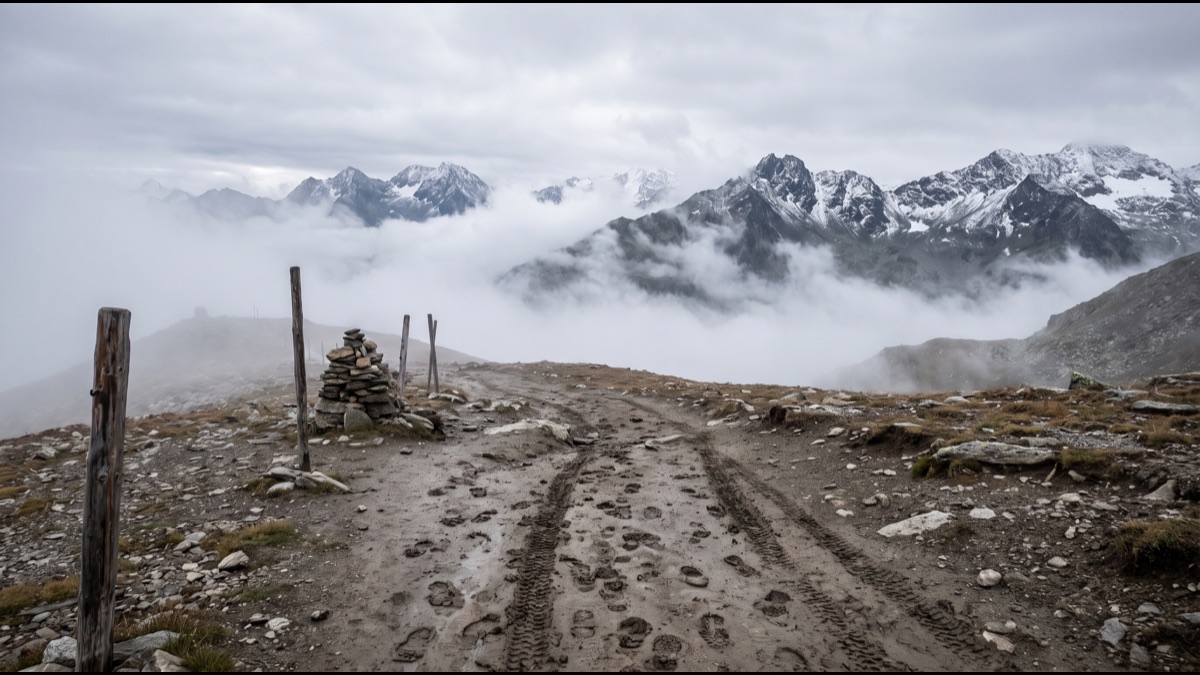
An athlete who trains at 2,400 meters above sea level is not doing anything mystical to their body — they are exploiting a single, measurable physiological trigger: a drop in the partial pressure of oxygen in the air they breathe. That drop sets off a cascade of adaptations that, weeks later, can leave a runner or cyclist with more oxygen-carrying capacity than a genetically identical twin who trained at sea level the entire time. Altitude training has been part of endurance sport since the 1968 Mexico City Olympics forced coaches to confront how thin air at 2,240 meters reshaped race times, and in the decades since, exercise physiologists have turned a folk observation into a fairly precise science.
The appeal is obvious: more oxygen-carrying red blood cells means more oxygen delivered to working muscle per heartbeat, which means a higher sustainable pace before the body switches to less efficient anaerobic metabolism. But the mechanism is neither instant nor free. It takes weeks to build, it fades within weeks of returning to sea level, and the same thin air that triggers the adaptation also makes it markedly harder to train at the intensities that build fitness in the first place — which is precisely the tension that has shaped how modern programs are actually structured.
Altitude training also carries a reputational shadow it has never fully shaken: it produces, through entirely legal means, some of the same physiological outcomes that athletes have been banned for chasing artificially with injected erythropoietin. Understanding how the legitimate version actually works, physiologically and logistically, explains both why elite endurance programs build entire training calendars around it and why it does almost nothing for a sprinter or a powerlifter.
The Core Trigger: Lower Oxygen Partial Pressure
Air at altitude is not "thinner" in the sense of having a different ratio of gases — it is still roughly 21 percent oxygen at any elevation on Earth. What changes is atmospheric pressure itself, and with it the partial pressure of oxygen, the specific measure that determines how forcefully oxygen molecules diffuse across the thin membrane separating lung tissue from blood. At sea level that pressure gradient is steep enough to fully saturate hemoglobin with oxygen on nearly every breath; at 2,000 to 2,500 meters, the gradient flattens enough that saturation drops measurably, even in a resting, healthy adult.
The body registers this drop within minutes through specialized chemoreceptors in the carotid arteries and aortic arch, structures whose entire job is to monitor blood oxygen content and trigger corrective reflexes. The immediate response is an increase in breathing rate and depth, a stopgap that helps but cannot fully compensate for reduced partial pressure. It is the body's slower, longer-term response — reshaping the blood itself — that produces the effect athletes actually want.
This is why altitude training only works within a specific elevation band. Below roughly 1,500 meters, the oxygen deficit is often too mild to reliably trigger meaningful adaptation. Above about 3,000 to 3,500 meters, the deficit becomes severe enough that it starts actively degrading training quality and can trigger altitude sickness, undermining the very fitness gains the athlete is chasing. Most altitude camps therefore cluster deliberately in the 1,800 to 2,500 meter range.
How the Body Actually Builds More Red Blood Cells
The kidneys are the body's oxygen sensors for this particular pathway. When they detect sustained low blood oxygen, specialized cells respond by ramping up production of erythropoietin, commonly abbreviated EPO, a hormone that travels to bone marrow and signals it to accelerate the production of new red blood cells. This is the exact same hormone, produced through the exact same biological pathway, that some athletes have been caught injecting synthetically to cheat — altitude training simply triggers the body to make more of its own.
EPO levels rise within the first 24 to 48 hours of altitude exposure, but the red blood cells themselves take considerably longer to appear in meaningful numbers, since new red blood cells require roughly a week to mature in bone marrow before entering circulation, and it takes several weeks of sustained production before total red cell mass rises enough to matter for performance. This lag is why altitude camps are rarely shorter than two to three weeks and why serious programs often run four or more.
Alongside the rise in red blood cell count, the body increases plasma volume and total blood volume, improves the muscle's own capillary density over time, and boosts concentrations of 2,3-BPG, a molecule inside red blood cells that helps them release oxygen more readily to tissue that needs it. None of these adaptations happen in isolation; they compound, which is part of why well-executed altitude blocks can produce performance gains that a sea-level training block of equivalent duration and intensity simply cannot replicate.
Why "Live High, Train Low" Became the Dominant Strategy
Exercise physiologist Benjamin Levine and colleagues formalized what is now the sport's default altitude protocol in the 1990s after noticing a specific problem: athletes who lived and trained continuously at altitude gained the blood adaptations but simultaneously lost training quality, because muscles simply cannot generate the same power output or sustain the same intensity when starved of oxygen. Their solution, "live high, train low," has athletes sleep and rest at elevation, typically 2,000 to 2,500 meters, while descending to near sea level for their hardest, highest-intensity training sessions.
The logic is elegantly simple once stated: the erythropoietin-driven blood adaptations are triggered by cumulative hours of exposure to reduced oxygen, which sleeping at altitude provides in abundance since a full night is eight hours of continuous exposure, while the actual muscular and cardiovascular training stimulus that builds race-specific fitness is best delivered at an intensity only achievable with full sea-level oxygen availability. Athletes essentially get the hematological upside of altitude without paying its full training-quality cost.
Research comparing live-high-train-low against living and training entirely at altitude has consistently favored the split approach for competitive performance outcomes, and it is now the standard model used by national governing bodies from USA Track & Field to British Cycling. Facilities purpose-built around this principle, like the US Olympic and Paralympic Training Center in Colorado Springs and various camps in Kenya's Rift Valley region, are typically sited specifically because they offer easy access to both a high-elevation base and lower-elevation training roads or tracks nearby.
How Long Adaptation Actually Takes to Build
A commonly cited rule among coaches holds that meaningful hematological adaptation requires a minimum of roughly two weeks at altitude, with three to four weeks producing more reliable and pronounced gains, and camps beyond about six weeks generally showing diminishing additional returns relative to the accumulated training-quality cost and logistical burden of staying away from home and sea-level racing conditions for that long.
Individual response varies substantially and is one of altitude training's most frustrating practical realities for coaches: some athletes are strong "responders" who show robust EPO and red-cell increases within days, while others are comparatively weak responders who see only modest hematological change even after a full camp, for reasons researchers still do not fully understand but suspect relate to genetic variation in hypoxia-sensing pathways. This is part of why elite programs increasingly test athletes' individual altitude response before committing scarce training-camp resources to them.
The first several days at altitude are typically the hardest and least productive from a training standpoint, since the body has not yet meaningfully adapted and athletes often feel disproportionately fatigued, short of breath during ordinary efforts, and prone to disrupted sleep — a period often called acclimatization, during which coaches typically program deliberately reduced training loads before ramping back up as the body catches up.
Why the Benefits Fade Fast After Returning to Sea Level
The same reversibility that makes the body responsive to altitude in the first place also works against athletes once they return to sea level: with abundant oxygen available again, the physiological pressure that sustained elevated EPO production disappears almost immediately, and the kidneys quickly scale hormone output back down toward baseline.
Red blood cells themselves have a natural lifespan of roughly 120 days, so the elevated red-cell mass built at altitude does not vanish overnight, but the net advantage over an untrained sea-level baseline typically peaks somewhere between about one and three weeks after descent and then gradually erodes over the following weeks as the body's overall blood chemistry equilibrates back toward its normal sea-level set point.
This creates a genuinely tricky scheduling problem for coaches: descend and race too soon after an altitude camp and the athlete may still be dealing with post-camp fatigue and incomplete readaptation to full-oxygen training intensity; wait too long and much of the hematological advantage has already faded. Most elite programs now target a specific window, often roughly 10 to 14 days post-descent, calibrated individually based on an athlete's history, to time peak competitive performance against this fade curve.
Why Training Intensity Is So Hard to Maintain at Altitude
Reduced oxygen availability directly caps how much power muscles can generate during high-intensity efforts, since maximal aerobic output depends on how much oxygen the cardiovascular system can actually deliver per minute, a ceiling that drops measurably at altitude even in athletes who are otherwise perfectly fit and well-adapted to elevation generally.
This is the central practical constraint that made "live high, train low" necessary in the first place: an athlete attempting to hold sea-level interval paces at 2,200 meters will typically find their heart rate spiking far earlier relative to output, their perceived effort rising disproportionately, and their ability to sustain race-pace efforts genuinely compromised, meaning training purely at altitude risks actually eroding the specific high-end fitness that makes an athlete fast on race day.
Coaches manage this by carefully separating training types: easier aerobic base work and recovery sessions are generally well-suited to being done at altitude itself, since the reduced intensity of that work is less affected by lower oxygen availability, while anaerobic threshold work, VO2 max intervals, and race-pace sessions are deliberately scheduled at lower elevation whenever the live-high-train-low model is logistically available.
Altitude Tents and Hypoxic Chambers as an Alternative
Not every athlete can relocate to a mountain training base for weeks at a time, which is why simulated-altitude technology has become widespread: altitude tents enclose a normal bed in a controlled low-oxygen environment using a generator that reduces the oxygen percentage of the air pumped inside, letting an athlete sleep at a simulated elevation of 2,000 to 3,000 meters while living an otherwise completely normal life at true sea level.
Hypoxic chambers work on the same underlying principle at a larger scale, sometimes encompassing entire rooms or specialized altitude gyms, and are increasingly used by professional teams and national federations specifically because they decouple the "live high" component from the logistical and financial burden of an actual mountain training camp, allowing athletes to train at their normal sea-level facility during the day while still sleeping at simulated altitude.
Research on simulated altitude generally finds it produces real, measurable hematological adaptation, though many studies suggest the effect is somewhat more modest on average than genuine terrestrial altitude exposure, possibly because compliance and total nightly exposure hours are harder to sustain consistently with equipment than with simply living somewhere naturally elevated, and because natural altitude exposure is continuous rather than limited to sleeping hours.
Real-World Use by Elite Endurance Athletes
East African distance runners, particularly from Kenya's Rift Valley and Ethiopia's highlands, have long trained and lived at natural elevations of 2,000 to 2,500 meters as an ordinary part of daily life rather than as a discrete training intervention, a circumstance frequently cited, alongside genetics, culture, and running-focused youth development, as one contributing factor in the region's disproportionate dominance of world distance running.
Elite programs across essentially every endurance discipline now build altitude blocks into the competitive calendar with real intentionality: marathon runners frequently base entire training cycles in Ethiopia, Kenya, or the US mountain West; competitive cyclists in Grand Tours regularly train at altitude in the weeks before major races; and cross-country skiers, biathletes, and triathletes have similarly institutionalized altitude camps as a standard, expected part of preparing for major championships.
Team logistics have grown correspondingly sophisticated, with national federations now employing dedicated altitude coordinators who track individual athletes' hematological response through regular blood testing, adjust camp length and timing to each athlete's competition calendar, and coordinate the specific post-descent taper window to align peak red-cell mass with an athlete's most important race of a given season.
The Doping-Adjacent Controversy
Altitude training occupies an uncomfortable position in endurance sport precisely because it legally produces some of the same physiological end state — elevated red blood cell mass and EPO activity — that athletes have been suspended and stripped of results for pursuing illegally through synthetic EPO injections, blood transfusions, or other blood-doping methods banned by the World Anti-Doping Agency.
Anti-doping authorities have consistently drawn a bright line distinguishing the two on the basis of method rather than outcome: altitude training stimulates the body's own natural hormonal pathways through an entirely legal environmental exposure, while doping introduces exogenous substances or manipulated blood products from outside the body, a distinction regulators consider legally and ethically decisive even though a well-executed altitude camp and a course of banned synthetic EPO can, in principle, move an athlete's red-cell mass in a broadly similar direction and magnitude.
This overlap has occasionally fueled public skepticism and even some athlete complaints that access to elite altitude facilities functions as a kind of quasi-legal advantage available disproportionately to well-funded national programs, though the scientific and regulatory consensus remains firm that natural physiological adaptation to a real environmental stimulus is categorically different from artificially manipulating blood chemistry with substances the body did not produce itself.
Who Altitude Training Doesn't Actually Help
Power and sprint athletes generally see little to no meaningful benefit from altitude training, because their performance depends overwhelmingly on anaerobic energy systems, fast-twitch muscle fiber recruitment, and neuromuscular power output rather than on the aerobic, oxygen-delivery-limited capacity that altitude adaptation specifically improves, meaning the primary physiological lever altitude pulls is largely irrelevant to their event.
Strength and power athletes who do train at altitude may actually see performance decrements rather than gains, since reduced oxygen availability can measurably impair the very high-intensity training quality and recovery capacity that strength and power development depends on, without offering any compensating aerobic benefit relevant to their specific competitive demands.
Team-sport athletes occupy a genuinely mixed middle ground: soccer, basketball, and similar sports blend aerobic and anaerobic demands, so athletes in these disciplines sometimes use altitude training for general aerobic conditioning during off-season blocks, though it remains a considerably less central and less universally adopted practice than it is in endurance-dominant sports like distance running, cycling, cross-country skiing, and triathlon.
Measuring Whether Altitude Training Actually Worked
Coaches and sports scientists typically track hemoglobin concentration and hematocrit, the percentage of blood volume occupied by red blood cells, through regular blood draws before, during, and after an altitude camp, alongside more specialized markers like total hemoglobin mass measured through carbon monoxide rebreathing tests, considered a more precise indicator than simple hematocrit percentage since hematocrit can be misleadingly affected by short-term changes in plasma volume alone.
Performance testing, including standardized time trials and lactate threshold assessments conducted both before departure and after the post-descent taper window, helps translate the raw hematological data into a genuinely meaningful answer to the only question that ultimately matters competitively: did the camp actually make the athlete faster, and by how much, relative to the substantial time, expense, and training disruption the camp required.
Individual variability means camp outcomes are rarely uniform even within a single team using an identical protocol; some athletes on the exact same altitude camp show clear, measurable gains while training partners on that same trip show comparatively little change, which is precisely why leading programs increasingly personalize altitude exposure length, elevation, and timing to each athlete's demonstrated individual response pattern rather than applying one fixed protocol uniformly across an entire roster.
Practical Logistics Elite Programs Actually Navigate
Beyond physiology, altitude camps carry substantial logistical weight that programs must plan around carefully: athletes typically need to arrive several days before serious training begins to allow initial acclimatization, accommodation and travel costs for extended stays at remote high-elevation locations run considerably higher than equivalent sea-level training blocks, and nutrition requirements often shift meaningfully at altitude since appetite suppression and increased fluid loss through faster breathing are both common side effects of sustained elevation exposure.
Sleep quality frequently suffers during the first several nights at altitude due to a phenomenon called periodic breathing, in which reduced oxygen availability disrupts the normal breathing rhythm during sleep, and coaches experienced with altitude camps typically build this expected early disruption into training plans by deliberately front-loading lighter sessions during that adjustment window.
Camp selection itself has become a genuinely competitive advantage in its own right, with well-resourced programs scouting specific locations not just for elevation but for terrain suitability, training infrastructure, medical support availability, and reliable proximity to a genuinely lower-elevation option for the live-low half of the live-high-train-low protocol, since not every high-elevation location actually has convenient access to nearby lower ground suitable for serious training.
What Ongoing Research Is Still Refining
Scientists continue actively investigating exactly why individual response to altitude varies so substantially between otherwise similarly fit athletes, with current research increasingly focused on genetic variation in the hypoxia-inducible factor pathway, the specific cellular signaling system through which the body senses and responds to reduced oxygen availability at a molecular level.
Researchers are also refining exactly how much cumulative daily exposure is genuinely necessary to trigger meaningful adaptation, since this question has direct practical implications for how simulated-altitude technology like tents and chambers should realistically be used, and current evidence increasingly suggests a meaningful minimum daily exposure threshold exists below which adaptation is unreliable regardless of total camp duration.
Altitude training's core physiological logic has remained essentially stable for decades even as the specific protocols supporting it have been progressively refined, which is a large part of why it persists as one of the most extensively used, well-studied, and durably trusted legal performance interventions in endurance sport today, even as debate continues around its accessibility, its edge cases, and its uncomfortable proximity to banned blood-doping methods.
Sources
- Wikipedia — overview of altitude training physiology, protocols, and history in endurance sport
- International Olympic Committee — background on altitude training use among Olympic endurance athletes
- World Anti-Doping Agency — regulatory distinction between legal altitude training and banned blood-doping methods
- National Center for Biotechnology Information — peer-reviewed research on erythropoietin response and hematological adaptation to altitude
FAQ
How high do you actually need to train to get a benefit?
Most effective altitude training happens between roughly 1,800 and 2,500 meters; lower elevations rarely trigger meaningful adaptation, while significantly higher elevations can begin degrading training quality and raising the risk of altitude sickness.
How long do altitude adaptations actually last after coming back down?
The advantage typically peaks roughly one to three weeks after returning to sea level and then gradually fades over the following weeks as blood chemistry re-equilibrates toward its normal baseline.
Is altitude training basically legal doping?
No; anti-doping authorities draw a firm distinction based on method, since altitude training stimulates the body's own natural hormonal response to a real environmental stimulus, while doping introduces external substances or manipulated blood products.
Do altitude tents actually work as well as training at real elevation?
They can produce genuine hematological adaptation, though research generally suggests the effect is somewhat more modest on average than true terrestrial altitude exposure, partly due to more limited nightly exposure hours.
Why doesn't altitude training help sprinters or power athletes?
Their performance depends primarily on anaerobic energy systems and fast-twitch muscle power rather than the aerobic, oxygen-delivery capacity that altitude adaptation specifically improves, so the core mechanism is largely irrelevant to their events.
How long does an athlete need to stay at altitude to see results?
Most coaches consider roughly two weeks a minimum, with three to four weeks producing more reliable gains, though individual response to altitude varies considerably between athletes.
About the Author
We reference Wikipedia and other authoritative sources to explain the background and current understanding of this topic.
Loved This Article?
Share it on WhatsApp → Share it on WhatsApp
Get more guides in your inbox — Subscribe to our newsletter for weekly surprising stories from Egypt, Saudi Arabia, Dubai, and beyond.