Introduction
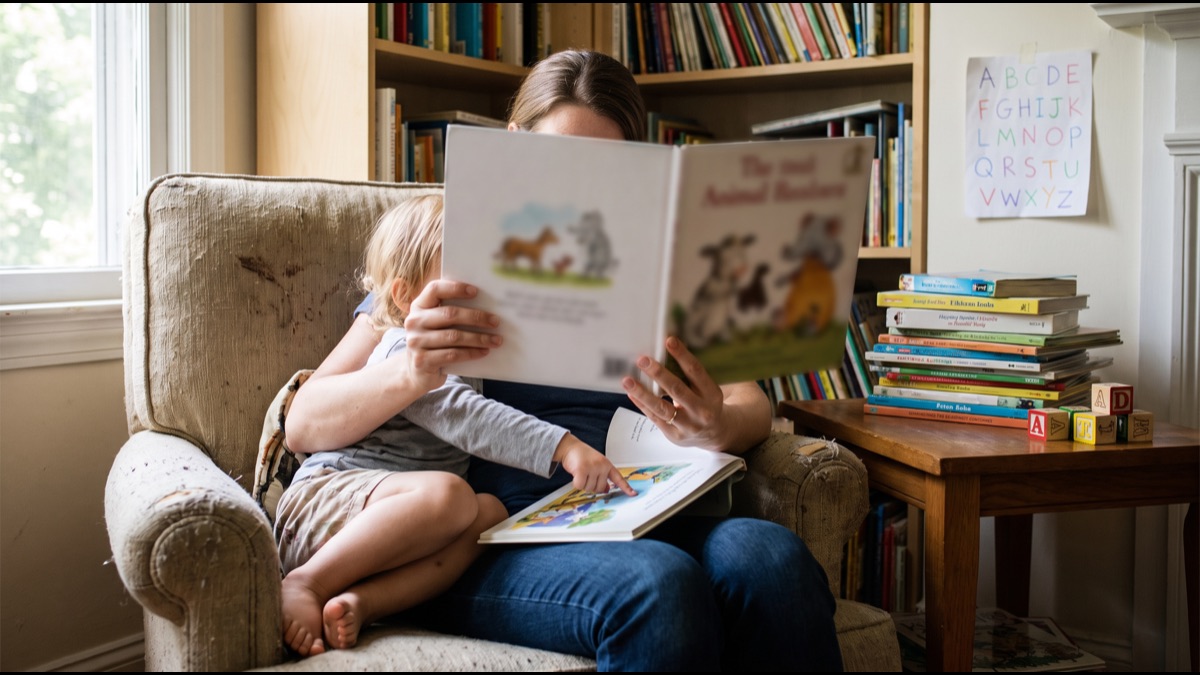
Pediatric and literacy research consistently identifies reading aloud to children, starting in infancy, as one of the single most effective things a caregiver can do to support later language and literacy development.
The American Academy of Pediatrics recommends parents read aloud to children from birth, well before a child can understand words, because the benefits go beyond vocabulary alone.
What Reading Aloud Actually Builds
Children exposed to regular read-aloud sessions hear far more words and more varied sentence structures than in typical spoken conversation, building vocabulary that research links directly to later reading comprehension.
It also builds print awareness — understanding that text carries meaning, that stories have structure, and that reading moves in a particular direction — foundational skills that make formal reading instruction easier later on.
The Word Gap Research
A well-known body of research found stark differences in the sheer number of words children hear by age three depending on how much they are talked and read to, a gap linked to later achievement differences in school.
Beyond vocabulary, shared reading builds the parent-child bond and helps children build attention span and a habit of enjoying books, both of which support motivation to read independently later.
Sources
- American Academy of Pediatrics — pediatric guidance on reading and early literacy
- Reading Rockets — research-based guidance on reading aloud
- Wikipedia — background on reading-aloud practices and research
FAQ
When should parents start reading aloud to children?
Pediatric guidance recommends starting from birth, since infants benefit from hearing language patterns and bonding time even before they understand specific words.
Does reading aloud really affect vocabulary that much?
Yes. Research consistently shows children who are read to regularly hear significantly more words and richer sentence structures than those who are not, with measurable effects on later vocabulary.
How long should a daily read-aloud session be?
There is no strict rule, but even 15 to 20 minutes a day is commonly cited as enough to produce meaningful benefits when done consistently.
About the Author
We reference the American Academy of Pediatrics and Reading Rockets and Wikipedia to explain the background and current understanding of this topic.
Loved This Article?
Share it on WhatsApp → Share on WhatsApp
Get more guides in your inbox — Subscribe to our newsletter for weekly surprising stories from Egypt, Saudi Arabia, Dubai, and beyond.