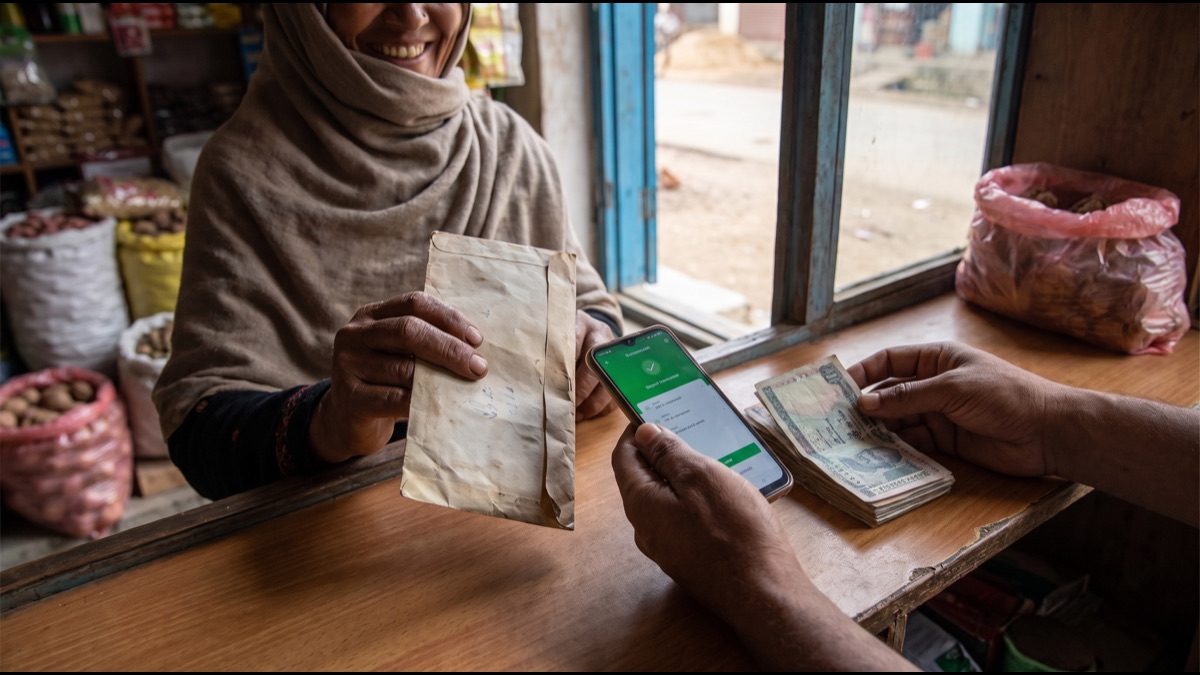
A remittance is money sent by someone working in one country back to family or others in their home country, typically to cover living expenses, education, or savings rather than as a business transaction.
Remittances move through several channels: traditional bank wire transfers, dedicated money transfer operators like Western Union and MoneyGram, and increasingly mobile-money and app-based services that can settle a transfer within minutes instead of days.
Money Sent Home From Abroad
The Channels Remittances Travel Through
According to World Bank data, remittances to low- and middle-income countries have grown into one of the largest sources of external finance for many economies, in several years exceeding both foreign direct investment and official development aid combined.
Egypt is consistently one of the world's largest remittance-receiving countries, with money sent home by Egyptians working in the Gulf and elsewhere forming a significant share of the country's foreign currency inflows.
Sources
FAQ
What is the difference between a remittance and a regular money transfer?
A remittance specifically refers to money sent by someone working abroad to family or others in their home country, usually for living expenses, rather than a commercial payment.
Why are remittances important for some economies?
For several developing countries, remittances are one of the largest sources of foreign currency inflow, in some years exceeding foreign direct investment and official aid combined.
How do people send remittances today?
Common channels include bank transfers, dedicated operators like Western Union and MoneyGram, and mobile-money or app-based services that can complete a transfer within minutes.
About the Author
We reference World Bank, International Monetary Fund, Western Union to explain the background and current understanding of this topic.
Loved This Article?
Share it on WhatsApp → Share it on WhatsApp
Get more guides in your inbox — Subscribe to our newsletter for weekly surprising stories from Egypt, Saudi Arabia, Dubai, and beyond.