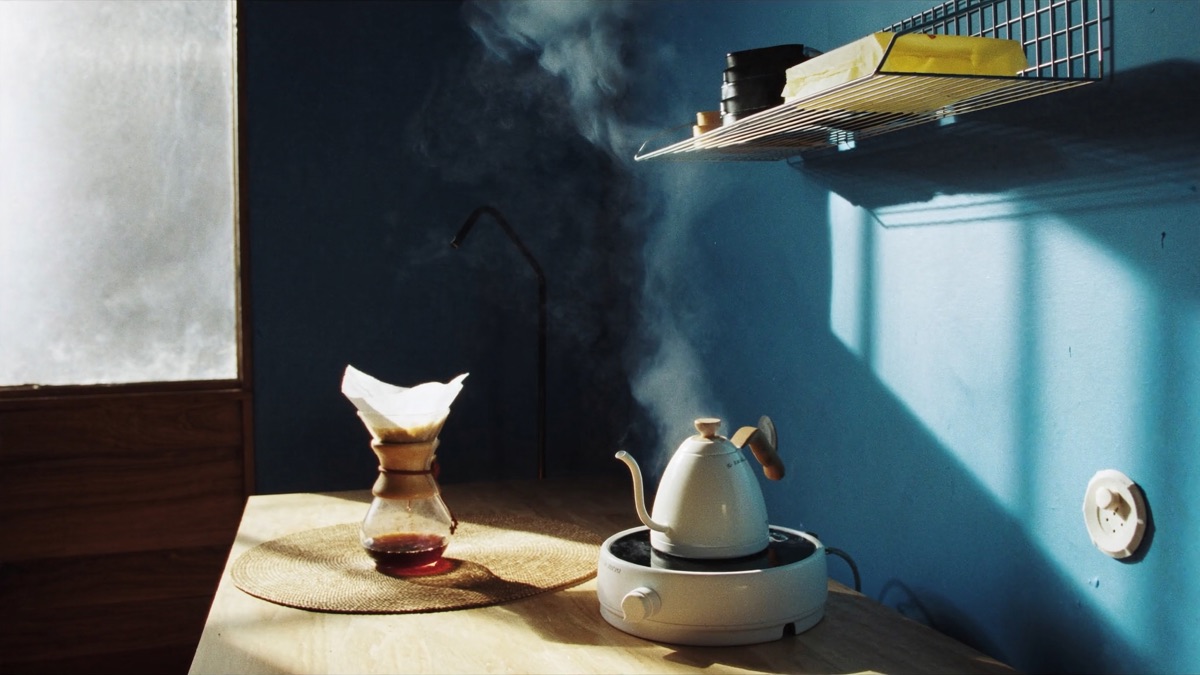
Saudi Arabic coffee, known as qahwa, looks nothing like typical Western coffee in the cup, and that light golden color is a deliberate roasting choice, not an underdone mistake. Beans are roasted far lighter than the dark roasts common in much of the world specifically to preserve delicate volatile compounds and spice pairings, particularly cardamom, that a darker roast's stronger flavors would overpower or destroy entirely.
Understanding why the roast level, spice pairing, and specific serving ritual are all deliberately connected explains why qahwa tastes and looks so different from coffee traditions elsewhere, and why serving it correctly carries genuine social and hospitality significance across Saudi Arabia and the wider Gulf region.
Why the Roast Is Deliberately Light
Qahwa beans are typically roasted to a light or medium-light level, well short of the darker roasts common in much of global coffee culture, specifically because a lighter roast preserves more of the bean's original volatile aromatic compounds rather than converting them into the deeper, more bitter compounds a longer, hotter roast produces.
This preservation matters directly for the final flavor profile: a light roast allows the coffee's naturally fruity and floral undertones to remain prominent, providing a genuinely different flavor base than the heavier, more bitter profile a dark roast produces.
Cardamom: The Defining Spice Pairing
Cardamom is by far the most common and defining spice added to qahwa, either ground and brewed directly with the coffee or added as whole pods during brewing, and its distinctive aromatic, slightly citrusy flavor profile is what most people specifically associate with the taste of Gulf Arabic coffee.
The specific ratio of cardamom to coffee varies meaningfully by region, family tradition, and personal preference, but the underlying reason cardamom pairs so effectively is that a light roast leaves enough of the coffee's own delicate flavor intact to genuinely complement the spice rather than being overwhelmed or masked by it.
Other Traditional Spice Additions
Beyond cardamom, some regional and family recipes incorporate saffron for color and a subtle floral note, cloves for added warmth and depth, or ginger, each spice chosen specifically because it complements rather than competes with the coffee's light-roast flavor profile.
These additional spices are generally used far more sparingly than cardamom and vary considerably by specific family tradition, meaning qahwa's exact flavor profile can differ meaningfully from one household or region to another even while following the same broad preparation principles.
The Dallah: Why the Traditional Pot Design Matters
Qahwa is traditionally brewed and served from a dallah, a distinctively shaped metal pot with a long spout and pointed lid, a design specifically suited to controlled, slow pouring into small serving cups rather than the rapid pouring a typical Western coffee pot is designed for.
The dallah's traditional design, often ornately decorated, has become a genuine cultural symbol representing Gulf Arabian hospitality broadly, appearing in regional art, architecture, and even on some national emblems and currency, reflecting its significance well beyond its purely functional brewing role.
The Finjan Cups and Why They Are Small
Qahwa is served in small, handleless cups called finjan, deliberately sized for small servings rather than a full mug, since the tradition calls for repeated small pourings and refills throughout a visit rather than one large single serving consumed at once.
This small-serving format directly supports the social ritual around qahwa: repeated small refills naturally extend the shared social occasion, giving hosts a natural opportunity for continued hospitality throughout a guest's visit rather than a single beverage served once and finished.
Why Serving Order and Etiquette Carry Real Meaning
Traditional etiquette generally dictates that the most senior or most honored guest is served first, and the host typically serves guests personally rather than having a cup simply set down, reflecting the deep hospitality significance qahwa carries within Gulf Arabian culture broadly.
A guest signals they have had enough by gently shaking or tilting the empty cup slightly when returning it, a specific, widely understood gesture that avoids the potential awkwardness of verbally declining a further refill, since continuing to accept refills is otherwise the polite default.
Why It Is Almost Always Served With Dates
Qahwa is traditionally served alongside dates, and the pairing is functionally deliberate as well as culturally traditional: the dates' natural sweetness genuinely balances qahwa's unsweetened, spice-forward flavor profile, since qahwa itself is conventionally served without added sugar.
This pairing reflects a broader regional food tradition where dates hold deep cultural and historical significance as a staple food, meaning the qahwa-and-dates combination represents a deliberate flavor pairing as much as it does an established hospitality custom.
How Freshness Affects the Final Cup
Because a light roast preserves more volatile aromatic compounds than a dark roast, those same compounds also degrade and dissipate faster once ground, meaning qahwa is traditionally brewed from beans ground shortly before preparation rather than from coffee ground well in advance and stored.
This freshness sensitivity is a direct consequence of the deliberate light-roast choice: the same characteristic that preserves qahwa's distinctive delicate flavor also makes that flavor genuinely more perishable once the beans are ground, which is why traditional preparation places real emphasis on brewing close to serving time.
Regional Variation Across the Gulf
While the core principles, light roast, cardamom, small servings, and hospitality ritual, remain broadly consistent, specific preparation details, spice ratios, and even the dallah's exact shape vary meaningfully across different Gulf countries and even between regions within Saudi Arabia itself.
This regional variation reflects qahwa's deep integration into distinct local cultural traditions rather than a single, rigidly standardized recipe, meaning the specific qahwa served in one Saudi region can taste noticeably different from qahwa served in another region or neighboring Gulf country.
Why UNESCO Recognized Arabic Coffee Culture
Arabic coffee culture, including qahwa's specific preparation and hospitality customs, has been formally recognized by UNESCO as an element of intangible cultural heritage, reflecting its significance as a genuine social and cultural practice rather than simply a beverage preparation method.
This recognition specifically credits qahwa's role as a symbol of generosity and hospitality across Arab culture broadly, acknowledging the serving ritual, etiquette, and social significance surrounding the coffee as inseparable from the coffee itself.
The Cardamom and Saffron Question: Why Spicing Varies by Household
Cardamom is the near-universal spice in Saudi and broader Gulf qahwa, typically ground fresh and added either during the final stage of brewing or ground together with the roasted beans themselves, a choice that meaningfully affects the final flavor since cardamom added directly to hot water releases its aromatic oils differently than cardamom ground into the beans before extraction.
Saffron appears more selectively, often in wealthier households, formal hospitality settings, or specific regional traditions within the Gulf, and its inclusion is generally understood as a marker of a more elaborate, higher-effort preparation rather than a required ingredient, since saffron's cost and delicate flavor make it a deliberate addition rather than a default one.
Other spices, including cloves, ginger, or occasionally rosewater, appear in some family and regional recipes but are considerably less standardized than cardamom, meaning qahwa's spice profile genuinely functions as a marker of family tradition and regional identity rather than following one single fixed national recipe, and asking about a host's specific spice blend is itself a normal, welcomed part of Gulf hospitality conversation.
The Dallah Pot and Why Its Shape Actually Matters
The dallah, the distinctive long-spouted pot used to brew and serve qahwa, is not simply a decorative or traditional vessel choice; its long, narrow spout is specifically engineered to pour a thin, controlled stream that avoids disturbing the fine sediment that settles at the bottom of the pot during brewing, keeping the poured coffee clear rather than gritty.
Traditional dallah pots are typically made from brass or copper, materials chosen for even heat distribution during the multiple heating and cooling cycles qahwa preparation involves, though the pot is generally used for serving rather than for the initial roasting and grinding stages of preparation, which happen separately before the coffee is transferred into the dallah for its final brewing and serving.
The dallah's silhouette has become a recognized cultural and even national symbol across the Gulf, appearing on everything from currency and postage stamps to corporate logos and public monuments, a level of symbolic weight that reflects qahwa's role as a marker of cultural identity rather than simply a beverage vessel.
Why the Right-Hand Pour and Three-Cup Rule Are Not Just Etiquette
Qahwa is traditionally poured and received with the right hand, a convention rooted in broader regional etiquette where the right hand is generally reserved for food, drink, and formal exchanges, meaning this is not an arbitrary serving quirk but part of a consistent, widely understood social code guests are expected to follow.
The small, handleless finjan cup is deliberately filled only about a third full, a portion size that reflects both qahwa's concentrated strength, meant to be sipped rather than gulped, and the practical reality that a host will typically refill the cup multiple times over a visit, making a small serving size a functional choice that supports repeated hospitality rather than a stylistic minimalism.
The custom of drinking a maximum of three cups, then gently shaking the empty cup side to side to signal one has had enough, is a specific, widely recognized social signal across Gulf hospitality culture; failing to give this signal, or a guest's cup simply sitting empty without the shake, is understood as an invitation for the host to refill it again, meaning the gesture itself functions as a genuine piece of nonverbal communication rather than an optional flourish.
How Modern Cafés Have Adapted Qahwa for Commercial Sale
The rise of specialty coffee culture across Gulf cities has produced a new commercial category of café-served qahwa, often prepared with more standardized measurements and consistent spice ratios than the variable, household-specific recipes passed down within families, a shift toward reproducibility that commercial food service generally requires but that departs somewhat from qahwa's traditionally personalized character.
Some cafés have introduced qahwa-inspired drinks that blend the traditional cardamom and saffron flavor profile into espresso-based or cold-brew formats aimed at younger consumers accustomed to international café culture, a hybridization that has generated some debate among traditionalists about whether these adaptations meaningfully honor or dilute the original preparation's cultural significance.
Despite this commercial expansion, qahwa served in a home or majlis setting remains distinct from any café version in one specific way that commercialization has not replicated: the social ritual of a host personally pouring for each guest by hand, a practice that resists full commercial standardization precisely because its value lies as much in the direct social gesture as in the beverage itself.
Qahwa's Role in Major Life Events and Gatherings
At weddings, qahwa serving is typically a formal, structured part of the celebration rather than an incidental refreshment, often accompanied by dates and performed by designated servers moving methodically through rows of seated guests, a level of ceremonial structure that signals the event's importance and the host family's hospitality standing.
At funerals and condolence gatherings, qahwa serving follows a notably more restrained and quiet protocol than at celebratory events, still extended as a hospitality gesture to visitors offering condolences but stripped of the more elaborate ceremonial flourishes appropriate to weddings or celebrations, reflecting qahwa's flexibility as a hospitality custom across genuinely different social contexts and emotional registers.
Business and diplomatic meetings across the Gulf frequently open with qahwa service before substantive discussion begins, a sequencing that is widely understood as more than a beverage break; declining a offered cup, without a clear and polite reason, can be read as a minor social misstep, since accepting the offered coffee is itself a small but genuine gesture of respect and openness to the meeting that follows.
How Bean Origin and Roast Level Shape the Final Cup
Qahwa is traditionally prepared with a light roast, notably lighter than the dark roasts common in espresso-based coffee traditions, a distinction that preserves more of the green bean's original acidity and floral character rather than developing the deep caramelized bitterness a longer, darker roast produces, which is a defining reason qahwa tastes so different from a typical dark-roasted coffee even before any spice is added.
Bean origin also shapes regional preference within the Gulf, with Yemeni and Ethiopian-origin beans particularly prized for their specific flavor characteristics, and some households and specialty roasters treating bean sourcing with the same attentiveness a specialty coffee shop elsewhere in the world might apply, even though qahwa's final flavor is shaped as much by the spice blend and brewing method as by the bean itself, a balance that keeps the beverage recognizably distinct across an enormous range of local sourcing choices.
Sources
- UNESCO — intangible cultural heritage listing for Arabic coffee culture
- Wikipedia — overview of Arabic coffee preparation, spices, and serving traditions
- Saudi Ministry of Culture — background on Saudi coffee culture and hospitality traditions
FAQ
Why does Saudi qahwa look so much lighter than regular coffee?
It is deliberately roasted light to preserve delicate volatile aromatic compounds and complement the cardamom typically added, rather than being underdone or improperly roasted.
Why is cardamom added to qahwa?
Its distinctive, slightly citrusy aroma is what most people associate with Gulf Arabic coffee, and the light roast leaves enough of the coffee's own delicate flavor intact to genuinely complement rather than clash with it.
Why is qahwa served in such small cups?
The tradition calls for repeated small pourings and refills throughout a visit rather than one large serving, extending the shared social occasion and hospitality ritual.
How do you politely decline more qahwa?
A guest gently shakes or tilts the empty cup slightly when returning it, a widely understood gesture, since continuing to accept refills is otherwise the polite default.
Why is qahwa almost always served with dates?
The dates' natural sweetness balances qahwa's unsweetened, spice-forward flavor, since qahwa itself is conventionally served without added sugar.
Is qahwa recognized as cultural heritage?
Yes; Arabic coffee culture, including its preparation and hospitality customs, has been formally recognized by UNESCO as an element of intangible cultural heritage.
About the Author
We reference Wikipedia and other authoritative sources to explain the background and current understanding of this topic.
Loved This Article?
Share it on WhatsApp → Share it on WhatsApp
Get more guides in your inbox — Subscribe to our newsletter for weekly surprising stories from Egypt, Saudi Arabia, Dubai, and beyond.