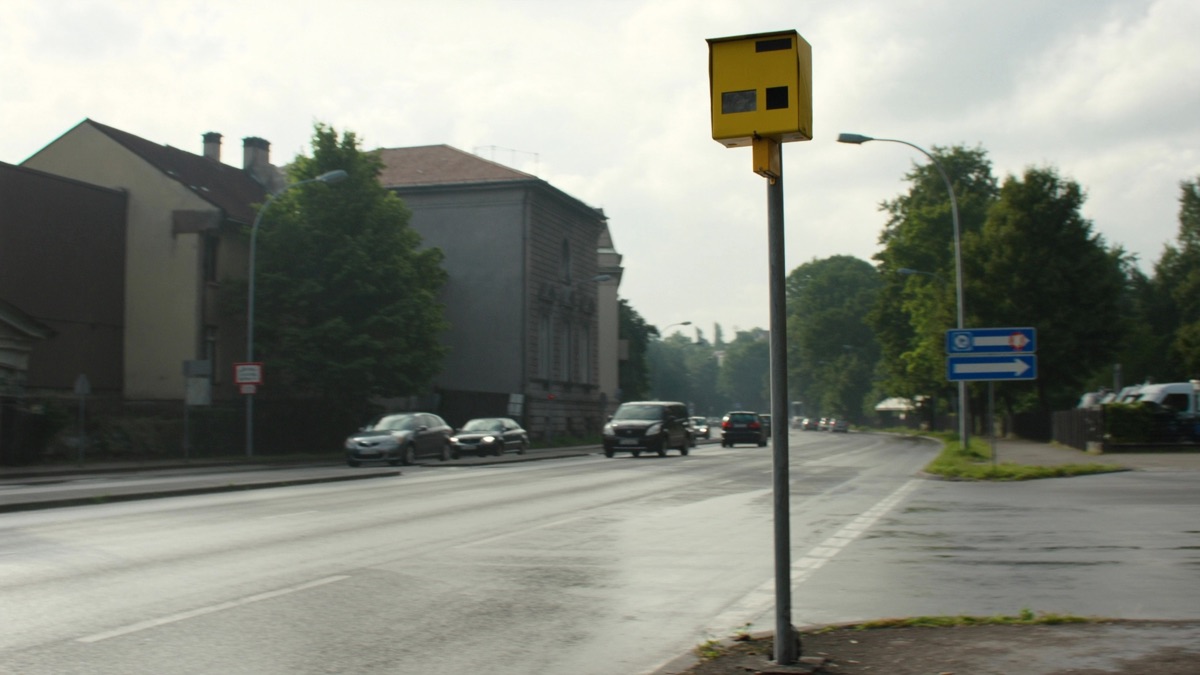
Speed cameras do not read a vehicle's speedometer or receive any data from the car itself; every common type calculates speed independently using its own external measurement, either by timing a vehicle over a known distance or by measuring how radar or laser signals reflect off it. The specific method matters because it determines exactly what a camera can and cannot detect, and why certain systems are placed the way they are along a road.
Three technologies dominate: radar-based cameras, laser (LIDAR) cameras, and average-speed camera systems that measure a vehicle's pace over an entire stretch of road rather than at one single point, and each works on a genuinely different physical principle.
Beyond the pure physics of how a camera measures speed, the broader system around it, calibration schedules, legal challenge procedures, and the specific evidentiary standard a jurisdiction requires, shapes just as much of how effective and how fair automated speed enforcement actually turns out to be in practice, which is why comparing camera technology alone across different countries or states tells only part of the real story.
Radar Cameras and the Doppler Effect
Radar speed cameras emit a continuous radio wave toward approaching traffic and measure the frequency shift in the wave that bounces back, a phenomenon called the Doppler effect, the same basic principle behind the pitch change you hear as an ambulance siren passes.
The faster a vehicle moves toward or away from the radar unit, the larger that frequency shift becomes, and the camera's onboard processor converts the shift directly into a precise speed reading using a well-established physics formula.
Laser (LIDAR) Cameras and Precision Timing
Laser-based speed enforcement, often called LIDAR, fires rapid pulses of infrared light at a specific vehicle and measures the exact time each pulse takes to bounce back, calculating distance at each pulse and then deriving speed from how quickly that distance changes across many pulses per second.
Because a laser beam is extremely narrow compared with a radar beam's wider cone, LIDAR can target one specific vehicle in dense traffic with far greater precision, which is part of why handheld laser speed guns are popular with traffic officers working multi-lane roads.
Average-Speed Cameras: A Completely Different Approach
Average-speed camera systems, increasingly common on highways and through roadwork zones, do not measure instantaneous speed at all; instead, paired cameras at two fixed points read a vehicle's license plate and timestamp, then divide the known distance between them by the time elapsed to calculate an average speed for that entire stretch.
This approach closes a real loophole that single-point cameras have: a driver cannot simply brake sharply right before one camera and then accelerate again afterward, since the system judges the entire journey between the two points rather than one instantaneous moment.
Why the Flash Fires at the Exact Moment It Does
A radar or laser camera's flash is not decorative; it fires at the precise instant the system has already calculated and confirmed a speed reading exceeding the enforced threshold, capturing a photograph specifically timestamped to that violation as legal evidence.
Modern units almost universally use infrared flash rather than a visible white flash specifically so that a photograph can be captured clearly at night without alerting the driver in the way a bright visible flash would.
How Accuracy Is Actually Verified and Certified
Speed enforcement cameras are legally required in most jurisdictions to undergo regular calibration checks against a certified reference standard, and officers or technicians typically test a unit's accuracy before and after each deployment period using a calibrated tuning fork or reference signal generator.
This calibration paperwork is precisely why speeding tickets from automated cameras can be, and sometimes are, successfully challenged in court: a documented lapse in a specific camera's calibration schedule can call the accuracy of every reading it produced during that period into legitimate question.
Why Angle and Positioning Actually Matter for Radar
Radar speed measurement is most accurate when a vehicle travels directly toward or away from the unit; measuring speed at a significant angle introduces a mathematical distortion called cosine error, which for genuine radar physics reasons causes the system to under-read speed rather than over-read it.
This is exactly why radar units are positioned and aimed carefully along a road's direction of travel rather than off to one side at a steep angle, since a poorly aimed unit produces systematically less reliable, not more reliable, readings.
How Traffic-Light Cameras Fit Into the Same System
Red-light cameras, closely related to speed cameras, use in-road sensors or radar to detect a vehicle entering an intersection after the light has already turned red, and many combined systems now measure both a vehicle's speed approaching the intersection and whether it actually ran the red light in one integrated unit.
This combination exists because the two violations, speeding and red-light running, often correlate at the same dangerous intersections, making a single integrated enforcement system more cost-effective than deploying two entirely separate camera types.
Why Radar Detectors Do Not Reliably Beat the System Anymore
Consumer radar detectors work by listening for the same radio frequencies police radar units emit, but modern average-speed camera systems and many laser units either operate on frequencies harder to detect in advance or measure speed in a way, like plate-to-plate average timing, that a radar detector cannot warn against at all.
This is a major reason average-speed cameras have become increasingly popular with road safety authorities specifically: they are largely immune to the countermeasure technology that made single-point radar cameras easier to evade.
The Legal Standard Behind an Automated Ticket
For an automated speed camera citation to hold up legally, the system generally must produce a clear, timestamped photograph showing the vehicle's license plate along with the calculated speed reading and the posted speed limit at that exact location, creating a documented evidentiary chain rather than relying on an officer's testimony alone.
This documentation requirement is exactly why automated tickets typically include a printed photograph and technical readout rather than a simple citation number, since that evidence needs to independently withstand a legal challenge without a human witness present.
Why Some Jurisdictions Restrict or Ban Certain Camera Types
Not every country or state permits every type of speed camera; some jurisdictions restrict fixed cameras to school zones and known accident hotspots specifically, others ban average-speed systems on privacy grounds tied to continuous vehicle tracking across a route, and enforcement policy varies considerably even within a single country.
This patchwork reflects a genuine ongoing policy debate between road-safety benefits, which most traffic-safety research strongly supports, and privacy or civil-liberties concerns about how long plate-read and speed data is retained and who can access it.
What Actually Reduces Speeding Long-Term
Multiple road-safety studies have found that speed cameras measurably reduce both the frequency and severity of crashes at monitored locations, generally attributed to the deterrent effect of drivers slowing down knowing enforcement is a realistic possibility rather than merely a rare, unpredictable police stop.
This deterrent effect tends to fade with distance from a known camera location, which is part of why average-speed systems covering an entire stretch of road, rather than one single fixed point, have shown stronger overall speed-reduction effects across the monitored zone as a whole.
How Speed Camera Placement Decisions Actually Get Made
Traffic engineers generally do not place speed cameras randomly or purely for revenue purposes, as critics sometimes allege, but instead select locations based on documented crash history, pedestrian activity levels, and known speeding complaint patterns, a data-driven siting process most jurisdictions are legally required to document and justify before installing a new fixed camera location.
This documentation requirement exists specifically because speed cameras have faced genuine legal and political challenges in multiple jurisdictions over allegations that camera placement prioritized revenue generation over actual safety benefit, and requiring a documented safety justification for each location gives transportation authorities a defensible evidentiary basis if that placement is ever formally challenged in court or through a public records request.
Independent studies comparing crash rates before and after camera installation at documented high-risk locations have generally found measurable safety improvements specifically at those sites, a finding that has become one of the strongest arguments transportation safety advocates use when defending camera programs against the recurring public perception that they exist mainly to generate fine revenue.
What Happens to the Fine Revenue Speed Cameras Generate
Many jurisdictions legally restrict how speed camera fine revenue can actually be spent, often requiring it be directed specifically toward road safety programs, traffic infrastructure improvements, or other clearly documented public-safety purposes rather than flowing into a jurisdiction's unrestricted general operating budget.
This spending restriction exists specifically in response to the same public skepticism about revenue motives described earlier, since a jurisdiction that visibly profits from camera fines without any legal requirement to reinvest that revenue into safety programs invites exactly the kind of \"speed trap\" criticism that has led some places to ban or restrict camera use entirely.
Transparency requirements around this revenue, including public reporting on how much a specific camera location generates annually and precisely how that money gets spent, have become an increasingly common policy feature specifically intended to maintain public trust in automated enforcement programs over the long term.
How Courts Have Ruled on Automated Enforcement Legal Challenges
Automated speed enforcement has faced numerous legal challenges across different jurisdictions, generally centered on questions of due process, since a camera-issued citation typically identifies the vehicle's owner as legally responsible for the violation regardless of who was actually driving at the time, a legal framework some courts have upheld and others have required jurisdictions to modify.
Courts that have upheld this owner-responsibility framework generally reason that vehicle owners bear a reasonable legal responsibility for who they allow to drive their registered vehicle, similar in principle to a parking ticket, while courts that have struck down or limited it have generally focused on whether that framework adequately protects an individual's right to contest a specific factual claim about who was actually driving.
This legal variation across jurisdictions is a major reason automated enforcement program design, including exactly how a citation can be contested and what evidence a driver can present in their defense, differs meaningfully from one place to another even when the underlying camera technology itself is functionally identical.
The Role of AI in License Plate Reading and Reducing Errors
Modern speed camera systems increasingly rely on automated license plate recognition software to read a violating vehicle's plate and automatically link it to vehicle ownership records, a step that previously required manual staff review of every single photograph, slowing citation processing and introducing human error risk when reading a plate that was unclear or dirty.
Despite generally high accuracy, these systems remain subject to rare but genuine errors, such as misreading a character on a mud-splattered plate or one reflecting strong glare, which is why most jurisdictions maintain a mandatory final human review step before any citation is officially issued rather than relying entirely on the automated software's own decision alone.
Accuracy continues improving as these recognition models train on larger and more diverse datasets of real license plate images, though most manufacturers and regulators generally agree human oversight remains necessary for the foreseeable future specifically because of the real legal and financial consequences attached to each issued citation.
How Speed Cameras Compare With Alternative Enforcement Methods
Road-safety researchers sometimes compare the effectiveness of automated speed cameras against alternatives like direct human traffic checkpoints or engineered traffic-calming methods such as speed bumps and traffic islands, generally finding each approach carries different strengths that make combining them more effective than relying on any single method alone.
Cameras stand out for their ability to operate continuously around the clock without requiring an officer physically present on site, while engineered traffic calming provides an immediate, natural speed reduction that does not depend on a driver even knowing enforcement exists in the first place, a genuinely fundamental difference in mechanism between the two approaches despite sharing the same ultimate goal.
Many modern transportation planners now recommend an integrated approach combining automated enforcement with speed-calming engineering design together at the highest-risk locations, generally concluding that relying on any single tool alone, however technically advanced, rarely achieves the best possible long-term road-safety outcome.
What Drivers Can Actually Do to Verify a Contested Ticket
A driver who genuinely believes a speed camera citation is incorrect generally has the legal right to request the underlying calibration records for that specific camera and time period, along with the raw photographic evidence, and reviewing that documentation is the most concrete way to identify whether a genuine technical or procedural error occurred.
Traffic attorneys who specialize in contesting automated citations generally advise checking the citation's stated speed limit against the officially posted limit at that exact location and date, since temporary construction zones or recently changed limits occasionally create a genuine mismatch between what a camera enforced and what was legally posted at the time.
Sources
- World Health Organization — road safety research on speed enforcement effectiveness
- Wikipedia — overview of radar, laser, and average-speed camera technology
- Insurance Institute for Highway Safety — crash-reduction data linked to automated speed enforcement
FAQ
Do speed cameras read data from a car's own speedometer?
No; every common type measures speed independently using radar, laser timing, or the time taken to travel a known distance between two fixed points, never data from the vehicle itself.
How does an average-speed camera system actually work?
Paired cameras at two fixed points read a license plate and timestamp, then divide the known distance between them by the elapsed time to calculate an average speed over that stretch.
Can a speed camera reading be wrong?
Readings can be challenged if a specific camera's required calibration checks lapsed, or if radar was measured at a steep angle, which causes systematic under-reading rather than over-reading due to cosine error.
Do radar detectors still work against modern speed enforcement?
Less reliably than before; average-speed camera systems and many laser units do not rely on the same detectable radio frequencies as traditional radar, so detectors cannot warn against them.
Why does a speed camera use an infrared flash instead of a visible one?
Infrared flash captures a clear nighttime photograph as legal evidence without a bright visible flash alerting the driver to the violation.
Do speed cameras actually reduce crashes?
Multiple road-safety studies have found measurable reductions in both crash frequency and severity at monitored locations, generally attributed to drivers slowing down given a realistic chance of enforcement.
About the Author
We reference Wikipedia and other authoritative sources to explain the background and current understanding of this topic.
Loved This Article?
Share it on WhatsApp → Share it on WhatsApp
Get more guides in your inbox — Subscribe to our newsletter for weekly surprising stories from Egypt, Saudi Arabia, Dubai, and beyond.