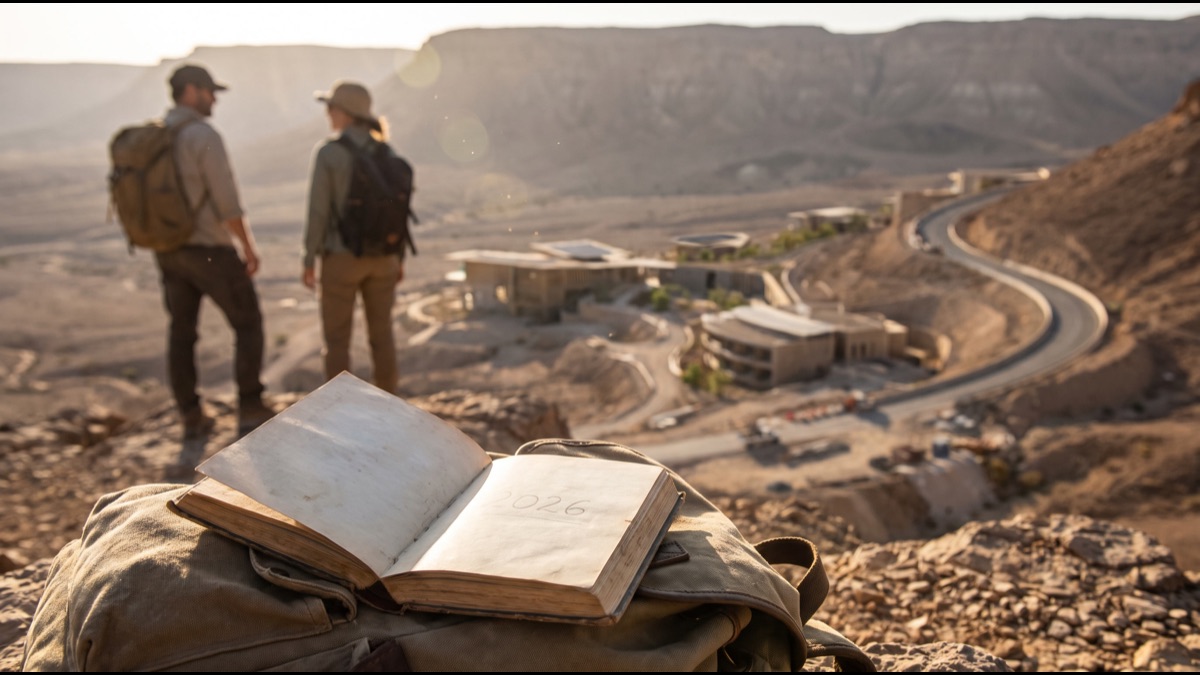
Why Visit Saudi Arabia in 2026?
Saudi Arabia is experiencing one of the most dramatic tourism transformations in modern history. The launch of tourist visas in September 2019 ended decades of near-total isolation for non-religious visitors. What followed was not merely a policy change but a fundamental reimagining of the Kingdom's relationship with the world. Vision 2030, Crown Prince Mohammed bin Salman's ambitious reform program, has positioned tourism as one of the three pillars of the new Saudi economy.
In 2026, Saudi Arabia offers a travel experience unlike any other destination. The world's largest sand desert, the Rub' al Khali, stretches across the southern third of the country. The ancient Nabataean city of AlUla, often compared to Petra but far larger and less visited, has opened to international visitors. The Red Sea coastline features coral reefs that rival the best in Egypt and the Maldives. The mountains of Asir, with their terraced agriculture and traditional villages, present a version of Arabia that contradicts every desert stereotype.
What makes this moment particularly compelling is the combination of accessibility and authenticity. The infrastructure is being built at unprecedented speed, but the cultural core remains intact. You can stay in a five-star hotel in Riyadh and eat the same traditional breakfast that Saudi families have eaten for generations. You can visit a world-class entertainment complex and then drive two hours to a Bedouin camp where hospitality customs predate recorded history. This guide provides everything you need to plan a Saudi Arabia travel experience in 2026.
Visas and Entry Requirements
The Saudi visa system has been dramatically simplified, but it remains more complex than neighboring UAE or Bahrain.
Tourist E-Visa — Available to citizens of 49 countries, including the United States, United Kingdom, Canada, Australia, and most of Europe. The visa is valid for one year, allows multiple entries, and permits stays of up to 90 days per visit. The application is completed online through the Saudi e-Visa portal and typically approved within minutes. The cost is approximately 535 SAR, which includes mandatory travel insurance. This is the easiest option for eligible nationalities.
Visa on Arrival — Citizens of the same 49 countries can obtain a visa on arrival at major international airports, including King Khalid International (Riyadh), King Abdulaziz International (Jeddah), and King Fahd International (Dammam). The process is straightforward but can involve queues during peak pilgrimage periods. The cost and validity are identical to the e-visa.
GCC Residents — Residents of the UAE, Qatar, Bahrain, Kuwait, and Oman can obtain an e-visa or visa on arrival regardless of nationality, provided their residency permit is valid for at least three months. This has made Saudi Arabia an accessible weekend destination for millions of Gulf residents.
Umrah and Hajj Visas — Religious pilgrimage visas are administered separately through approved travel agents. Umrah can now be performed on a tourist visa, but Hajj requires a dedicated visa obtained through licensed Hajj operators. The Hajj visa is strictly limited by quota and timing.
Passport Requirements — Your passport must be valid for at least six months beyond your intended stay. Some nationalities require additional documentation. Women can now travel independently to Saudi Arabia; the previous requirement for a male guardian's permission has been abolished for tourist visas.
Prohibited Items — Alcohol, pork products, and narcotics are strictly prohibited. Prescription medications should be accompanied by a doctor's note. Religious items unrelated to Islam may be questioned at customs. Photography of government buildings and military installations is prohibited.
Best Time to Visit Saudi Arabia
Saudi Arabia's climate varies dramatically by region, making the best time to visit Saudi Arabia dependent on your itinerary.
October to March — This is the optimal period for most of the country. Daytime temperatures in Riyadh and the central region range from 20°C to 30°C, dropping to cool evenings. The desert becomes accessible and pleasant. Jeddah and the coast remain warm but tolerable. This is peak tourist season, and hotel prices are highest. Major events like Riyadh Season and Jeddah Season occur during this period.
April and May — Shoulder season with rising temperatures. Riyadh can reach 35°C, while the coast becomes humid. The southern mountains of Asir are at their most beautiful, with green terraces and wildflowers. Prices begin to drop, and crowds thin. This is the ideal time for visiting Asir and the southwestern region.
June to September — Summer in Saudi Arabia is extreme. Riyadh temperatures regularly exceed 45°C. Jeddah and the coast are stiflingly humid. The Rub' al Khali and desert regions are essentially inaccessible. However, this is the least expensive period, and indoor attractions are fully operational. The mountain regions of Asir and Taif offer cooler retreats, with temperatures 10-15°C lower than the lowlands. If you are primarily visiting malls, museums, and indoor entertainment, summer can be viable.
Ramadan — The Islamic month of fasting shifts according to the lunar calendar. In 2026, it is expected to fall in February-March. During Ramadan, restaurants are closed during daylight hours, and the pace of business slows. However, the evening iftar meals and nighttime celebrations are culturally extraordinary. Non-Muslim visitors can participate in iftar, and many hotels offer exceptional Ramadan dining experiences. The end of Ramadan, Eid al-Fitr, is a major holiday period with festivities across the country.
Hajj Season — The Hajj pilgrimage occurs in the last month of the Islamic calendar. In 2026, it is expected in November. Mecca and Medina are inaccessible to non-Muslims year-round, but during Hajj, the entire region becomes extremely crowded. Accommodation prices skyrocket. If your itinerary does not include religious pilgrimage, avoid the Hajj period entirely.
Central Region: Riyadh and Diriyah
The capital region is the political, economic, and increasingly cultural center of Saudi Arabia.
Riyadh — The capital city has transformed from a conservative administrative center into a dynamic metropolis. Key attractions include the Kingdom Centre Tower with its iconic sky bridge, the National Museum, the historic Al-Masmak Fortress, and the burgeoning JAX District for arts and culture. The King Abdullah Financial District represents the modern face of Saudi economic ambition. Riyadh Season, running from October to March, brings world-class entertainment to Boulevard Riyadh City.
Diriyah — The birthplace of the Saudi state, located on the northwestern edge of Riyadh. The At-Turaif district, a UNESCO World Heritage site, features restored mud-brick architecture that demonstrates pre-modern Najdi construction techniques. The adjacent Bujairi Terrace offers upscale dining with views of the historic district. Diriyah is being developed as a major cultural tourism destination, with plans for museums, hotels, and entertainment venues.
Edge of the World — Technically in the Riyadh region, this dramatic cliff formation in the Tuwaiq Escarpment offers one of the most spectacular natural views in the country. The cliffs drop 300 meters to the desert floor below. Organized tours operate regularly from Riyadh, but a four-wheel-drive vehicle is essential for the final approach.
Ushaiqer — A traditional Najdi village that has been preserved and restored. It offers an authentic glimpse into pre-oil Saudi life, with narrow alleyways, traditional houses, and a small museum. The village is actively maintained by local residents, creating a living heritage experience rather than a static museum.
Western Region: Jeddah, Mecca, and Medina
The Hijaz region, facing the Red Sea, has been the gateway to Arabia for centuries of pilgrims and traders.
Jeddah — Saudi Arabia's commercial capital and the most cosmopolitan city in the Kingdom. The historic Al-Balad district, a UNESCO World Heritage site, features coral-stone houses with distinctive wooden balconies (rawasheen). The Jeddah Corniche stretches along the Red Sea, featuring the King Fahd Fountain, the world's tallest. The city's art scene is the most developed in the country, with galleries, street art, and the annual Jeddah Season. The Red Sea coral reefs are accessible from Jeddah for diving enthusiasts.
Mecca and Medina — Islam's two holiest cities are accessible only to Muslims. Non-Muslims are prohibited from entering the boundaries of both cities. For Muslim visitors, the Umrah pilgrimage can be performed on a tourist visa, and the experience is spiritually and culturally profound. The Grand Mosque in Mecca and the Prophet's Mosque in Medina are among the most significant religious sites in the world. If you are planning religious pilgrimage, coordinate with a licensed Umrah operator.
The Red Sea Project — This massive tourism development along the Red Sea coast aims to create a sustainable luxury destination rivaling the Maldives. The first phase has opened, featuring eco-friendly resorts on pristine islands. The development emphasizes environmental conservation, with strict limits on construction density and marine protection. For luxury travelers, this represents the future of Saudi tourism.
Taif — Located in the mountains above Mecca, Taif is known as the City of Roses. Its cooler climate made it the traditional summer retreat for Saudi royalty. The rose farms produce Taif rose oil, which is used in the world's finest perfumes. The mountain scenery, traditional markets, and historic architecture make Taif a worthwhile detour from Jeddah.
Eastern Region: Dammam, Khobar, and Al-Ahsa
The Eastern Province is Saudi Arabia's industrial heartland and contains some of its most surprising natural attractions.
Dammam and Khobar — The main cities of the Eastern Province are connected by a continuous urban corridor. The King Fahd Causeway links Khobar to Bahrain, making cross-border trips possible. The Corniche in Dammam offers Red Sea-facing beaches and parks, while Khobar's Half Moon Bay is a popular weekend destination. The region's dining scene is heavily influenced by nearby Bahrain and the wider Gulf.
Al-Ahsa Oasis — The world's largest oasis, recognized as a UNESCO World Heritage site. Over 2.5 million date palms produce some of the finest dates in the world. The historic district of Al-Hofuf features traditional markets, ancient mosques, and the Jawatha Mosque, one of the oldest in the region. The Al-Qarah Mountain offers cave exploration and stunning views over the oasis.
The Empty Quarter — From the Eastern Province, organized expeditions depart into the Rub' al Khali, the world's largest sand desert. The sheer scale of the dunes, some reaching 250 meters, defies description. Multiple-day camping trips with experienced guides are the standard approach. The desert's silence and darkness are profound, and the night sky displays stars invisible from populated areas.
Taraban Island — A small island off the coast near Jubail, known for its birdwatching and marine life. The island is accessible by boat and offers a peaceful contrast to the industrial cities of the mainland. It is particularly rewarding for visitors interested in the natural environment of the Arabian Gulf.
Northern Region: AlUla and Tabuk
The north contains Saudi Arabia's most significant archaeological and natural attractions.
AlUla — The crown jewel of Saudi tourism. The ancient city of Hegra (Mada'in Salih) contains 131 Nabataean tombs carved into sandstone cliffs, comparable to Petra but larger and far less crowded. The entire AlUla valley is being developed as a cultural tourism destination, with the Maraya concert hall, a mirrored building that reflects the desert landscape, serving as its cultural centerpiece. The Old Town of AlUla, the Dadan archaeological site, and the Jabal Ikmah inscriptions add layers of history spanning 7,000 years. Winter at Tantora, the cultural festival running from December to March, brings world-class concerts, art installations, and heritage experiences.
Tabuk — The regional capital is the gateway to the northern desert and coastal attractions. The Tabuk Castle, an Ottoman-era fortress, has been restored and houses a museum. The surrounding region contains numerous archaeological sites from the Nabataean and Islamic periods.
The Red Sea Coast (North) — The northern Red Sea coast features pristine coral reefs and beaches that have been almost entirely undeveloped. The NEOM project, including the linear city of The Line, is being constructed in this region. While The Line is not yet open to tourists, the surrounding coastline offers diving and beach camping that feels genuinely untouched.
Disah Valley — Located in the Tabuk region, this dramatic valley features red sandstone formations similar to those in Jordan's Wadi Rum. The valley is accessible by four-wheel-drive and offers camping and hiking opportunities. It is one of the most photogenic landscapes in the Kingdom and remains relatively unknown compared to AlUla.
Southern Region: Asir and Jazan
The south is the most geographically and culturally distinct region of Saudi Arabia.
Abha and the Asir Mountains — The mountain city of Abha sits at 2,200 meters, offering temperatures 15°C cooler than the lowlands. The surrounding region features terraced agriculture, traditional villages with distinctive stone architecture, and the Jabal Sawda, Saudi Arabia's highest peak at 3,000 meters. The Asir National Park protects juniper forests and unique highland ecosystems. The traditional market in Abha and the nearby village of Rijal Almaa, with its multi-story stone houses, offer authentic cultural experiences. The region's honey is considered the finest in Saudi Arabia.
Jazan — The southernmost province borders Yemen and features the Farasan Islands, an archipelago in the Red Sea known for pristine coral reefs and bird migration. The islands are accessible by ferry from Jazan city and offer diving, snorkeling, and beach camping. The mainland area contains traditional coffee farms and the unique Tihama coastal plain culture.
Najran — Located near the Yemeni border, Najran features distinctive mud-brick architecture and a unique cultural blend of Saudi and Yemeni influences. The Emarah Palace, a traditional mud fortress, and the nearby Al-Ukhdood archaeological site, mentioned in the Quran, are significant attractions. The region's history of trade and cross-border interaction creates a distinct cultural atmosphere.
Getting Around: Transport Options
Saudi Arabia's transportation infrastructure is developing rapidly but remains unevenly distributed.
Domestic Flights — The most efficient way to cover long distances. Saudi Arabia is vast, and the driving distance from Riyadh to Jeddah is over 900 kilometers. Saudia and Flynas operate frequent domestic routes between major cities. Prices are reasonable, and booking in advance yields significant savings. New airports are being built in AlUla and the Red Sea Project.
Riyadh Metro — Under construction for years, the Riyadh Metro is expected to transform urban mobility when fully operational. As of 2026, partial lines may be open, but the network is not yet complete. Check current status before planning metro-dependent itineraries.
Car Rental — Essential for exploring beyond the major cities. International rental agencies operate at all major airports. Driving is on the right side, and road conditions are generally excellent on major highways. Women can now drive in Saudi Arabia, and rental agencies are required to serve female customers. Four-wheel-drive vehicles are necessary for desert excursions, mountain roads, and some rural areas. Fuel is extremely inexpensive by international standards.
High-Speed Rail — The Haramain High-Speed Railway connects Mecca, Medina, Jeddah, and King Abdullah Economic City. It is primarily for pilgrims but is available to all passengers. The journey from Jeddah to Mecca takes approximately 21 minutes, and to Medina approximately 2 hours. The service is efficient, comfortable, and recommended for anyone traveling between these cities.
Buses and Coaches — The SAPTCO bus network connects major cities, but services are less frequent and comfortable than flights or private vehicles. Buses are the most economical option for budget travelers. Women traveling alone may prefer other options for comfort and safety, though the bus system is officially open to all.
Ride-Hailing — Uber and Careem operate extensively in Riyadh, Jeddah, Dammam, and other major cities. Prices are generally lower than in Europe or North America. The apps are reliable, and drivers are professional. This is the recommended urban transport option for visitors.
Taxis — Traditional taxis exist but are less reliable than ride-hailing apps. Metered taxis are rare; negotiate the fare before departure. Airport taxis are regulated and generally trustworthy, though more expensive than app-based alternatives.
Accommodation Guide
Saudi Arabia's accommodation options have expanded dramatically since the opening of tourism.
Luxury Hotels — International chains including Four Seasons, Ritz-Carlton, Fairmont, and St. Regis operate in Riyadh, Jeddah, and the Eastern Province. The Riyadh Ritz-Carlton, where the 2017 anti-corruption crackdown occurred, is a historic property with exceptional service. Luxury hotels in Jeddah often feature Red Sea views. Prices are comparable to Dubai or London during peak season.
Boutique Hotels — A growing category, particularly in AlUla and Jeddah. The Dar Tantora in AlUla, built within the Old Town, offers an authentic heritage experience with modern comfort. Jeddah's Al-Balad district is seeing restoration of historic houses as boutique accommodations. These properties offer the most culturally immersive experience.
Mid-Range Hotels — International brands like Marriott, Hilton, and IHG operate numerous properties across the Kingdom. Standards are generally high, and prices are reasonable outside peak season. Business hotels in Riyadh's financial district and Jeddah's commercial areas offer good value.
Budget Options — Budget accommodation is limited but growing. Hostels are emerging in Riyadh and Jeddah, though the concept is still new. Some apartment hotels offer kitchen facilities, which can reduce dining costs. During off-peak summer months, even mid-range hotels drop to budget prices.
Desert Camps — For the Empty Quarter and other desert destinations, organized camping is the standard accommodation. Options range from basic Bedouin-style camps to luxury glamping with air conditioning and private bathrooms. The experience of sleeping in the desert silence is one of the highlights of Saudi travel.
Booking Tips — Book well in advance for Riyadh Season, Jeddah Season, and religious holidays. Prices can triple during peak periods. Many hotels do not list on Western booking platforms; check local Saudi booking sites for better selection. Cancellation policies are generally flexible.
Cultural Tips and Etiquette
Understanding Saudi cultural norms is essential for a respectful and enjoyable visit.
Dress Code — While regulations have relaxed, modest dress remains expected. Men should avoid shorts and sleeveless shirts in public. Women no longer need to wear abayas, though many choose to. Conservative dress covering shoulders and knees is advisable. In more traditional areas and religious sites, stricter standards apply. Beachwear is acceptable only at private resort beaches.
Prayer Times — Islam's five daily prayers structure the rhythm of Saudi life. Shops and restaurants close during prayer times, typically for 15-30 minutes. The schedule changes daily; apps like Muslim Pro or local prayer time apps provide exact timings. Plan shopping and dining around these closures. Some larger malls have adjusted to allow continuous shopping while maintaining prayer facilities.
Photography — Always ask permission before photographing people, particularly women. Photography of government buildings, military installations, and airports is prohibited. Drone usage is heavily restricted and requires permits. The general rule is that if it looks official, do not photograph it without explicit permission.
Ramadan — If visiting during Ramadan, do not eat, drink, or smoke in public during daylight hours. This applies to non-Muslims as well. Evening iftar meals are welcoming and open; accept invitations when offered. Many Saudis consider hosting iftar guests a religious merit, and hospitality is genuine and generous.
Gender Interaction — Social norms around gender mixing have relaxed in urban areas, particularly in Riyadh and Jeddah. However, in traditional settings, men and women may remain separate. When meeting Saudi women, wait for them to extend their hand before offering a handshake. Many prefer not to shake hands with unrelated men. Do not take offense; simply nod and greet verbally.
Language — Arabic is the official language. English is widely spoken in business, tourism, and hospitality contexts, particularly in Riyadh and Jeddah. Road signs are bilingual. Learning basic Arabic greetings is appreciated but not essential. In rural areas, English proficiency is less common.
Alcohol — Alcohol is prohibited throughout Saudi Arabia. Do not attempt to import, purchase, or consume alcohol. Penalties are severe. The nightlife is entirely alcohol-free, which creates a distinctive social atmosphere that many visitors find refreshing once they adjust expectations.
Budget and Costs
Saudi Arabia can accommodate a wide range of budgets, but it is not a cheap destination by regional standards.
Luxury Budget — $400-800 per day. Five-star hotels, private guides, domestic flights, fine dining, and desert expeditions. This is the category most luxury travelers will inhabit, and the quality of luxury offerings is world-class.
Mid-Range Budget — $150-300 per day. Business hotels, rental cars, casual dining, and some organized tours. This is the most practical budget for most visitors, offering comfort without excessive cost.
Budget Travel — $70-120 per day. Budget hotels, public transport, street food, and self-guided exploration. This is feasible but requires planning. Budget accommodation is limited in AlUla and other emerging destinations.
Money and Payment — The Saudi Riyal (SAR) is pegged to the US dollar at approximately 3.75 SAR per USD. Cashless payment is universal; credit cards and Apple Pay are accepted everywhere. ATMs are widely available. Tipping is not traditionally expected but is increasingly common in high-end restaurants and hotels. A 10% service charge is often added to restaurant bills.
Sources
- Visit Saudi Official Tourism Portal — Official tourism information, visa requirements, and destination guides
- Saudi Airlines — Domestic and international flight information and booking
- Saudi Vision 2030 — Official government strategy and tourism development documentation
- Lonely Planet — Saudi Arabia — Travel guide and practical information for visitors
- UNESCO World Heritage Centre — Official listings for Saudi Arabia's World Heritage sites including AlUla and Al-Ahsa
FAQ
Do I need a visa to visit Saudi Arabia?
Most visitors require a visa. Citizens of 49 countries, including the US, UK, Canada, Australia, and most EU nations, can obtain an e-visa or visa on arrival valid for one year with multiple entries. GCC residents can also obtain visas regardless of nationality. The visa costs approximately 535 SAR and includes travel insurance.
What is the best time to visit Saudi Arabia?
October to March is optimal for most regions, with temperatures of 20-30°C in the central region and warm but tolerable conditions on the coast. April and May are excellent for the southern mountains. June to September is extremely hot, with temperatures exceeding 45°C, but offers lower prices and fewer crowds.
Can women travel alone in Saudi Arabia?
Yes. Women can now travel independently to Saudi Arabia on tourist visas. The previous requirement for a male guardian's permission has been abolished. Women can drive, rent cars, and stay in hotels alone. Modest dress is expected, but abayas are no longer legally required. Cultural norms vary by region, with Riyadh and Jeddah being the most liberal.
Is alcohol available in Saudi Arabia?
No. Alcohol is prohibited throughout Saudi Arabia. Do not attempt to import, purchase, or consume alcohol. The nightlife and social scene operate entirely without alcohol, which creates a distinctive atmosphere. Many visitors find the sober social environment refreshing once they adjust expectations.
How many days do I need in Saudi Arabia?
A minimum of 7-10 days is recommended to cover the major highlights: Riyadh and Diriyah (3 days), Jeddah and the Red Sea coast (3 days), and AlUla (2-3 days). A comprehensive trip covering all regions would require 3-4 weeks. Domestic flights are essential for covering these distances efficiently, as the driving distance from Riyadh to Jeddah alone exceeds 900 kilometers.
About the Author
doyouknow.app AI-assisted Editorial Workflow — This article was prepared with AI-assisted research and editing, using the sources listed on the page. It is not based on firsthand testing, on-the-ground reporting, or a claim of personal experience or professional credentials. Please check official sources for current details.
Loved This Article?
Share it on WhatsApp → Share on WhatsApp
Get more travel guides in your inbox — Subscribe to our newsletter for weekly surprising stories from Saudi Arabia, Dubai, and beyond.