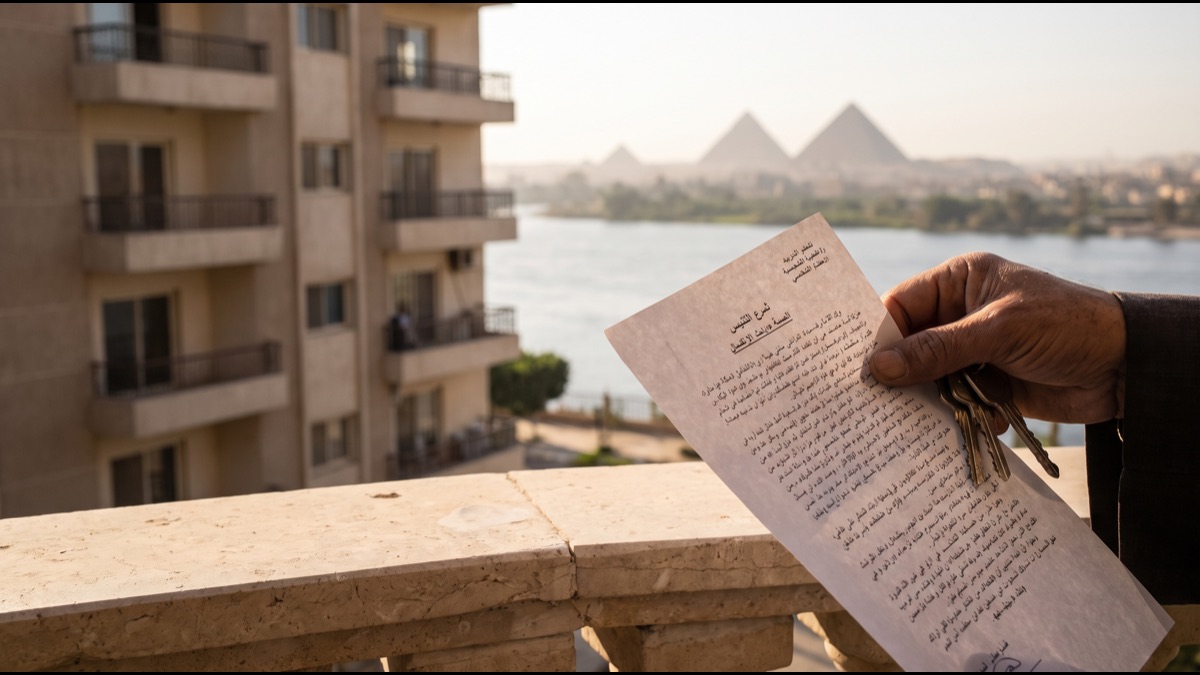
Foreign Ownership Is Legal, With Conditions
Egyptian law allows non-Egyptians to own real estate, a right formalized through legislation passed in the 1990s that opened property ownership to foreign nationals under defined conditions rather than an outright ban.
The rules distinguish between different types of property and locations, meaning the process and restrictions can vary significantly depending on whether the property is a standalone unit, part of a residential compound, or located in a designated tourist zone.
Common Restrictions to Know
Foreign buyers are generally limited to owning a capped number of properties and a maximum total area, and in most cases cannot resell within a set number of years after purchase without special permission.
Ownership near certain sensitive areas, such as border regions or land designated for state security purposes, is typically restricted or requires additional government approval beyond the standard purchase process.
The Practical Purchase Process
Buyers typically need to register the property with Egypt's Real Estate Registration Authority to secure full legal ownership, since an unregistered contract can leave a buyer with weaker legal protection.
Many foreign buyers work with a local lawyer to verify the property's legal status and ensure the seller has clear title before finalizing payment, a step commonly recommended given how ownership disputes can arise from incomplete paperwork.
Sources
- State Information Service, Egypt — the government portal referencing property law
- Arab News — regional coverage of Egypt's foreign property market
- Reuters — financial reporting on Egypt's real estate sector
FAQ
Can foreigners legally own property in Egypt?
Yes, under legislation dating to the 1990s, non-Egyptians can own real estate, though ownership is subject to conditions on location, size, and resale timing.
Are there restrictions on how much property foreigners can buy?
Yes, foreign buyers are generally capped on the number of properties and total area they may own, with additional rules for certain locations.
Why is registering the property important?
Registering with the Real Estate Registration Authority secures full legal ownership; an unregistered contract can leave a buyer with weaker legal protection.
About the Author
We reference Egypt's State Information Service, Arab News, Reuters to explain the background and current understanding of this topic.
Loved This Article?
Share it on WhatsApp → Share it on WhatsApp
Get more guides in your inbox — Subscribe to our newsletter for weekly surprising stories from Egypt, Saudi Arabia, Dubai, and beyond.