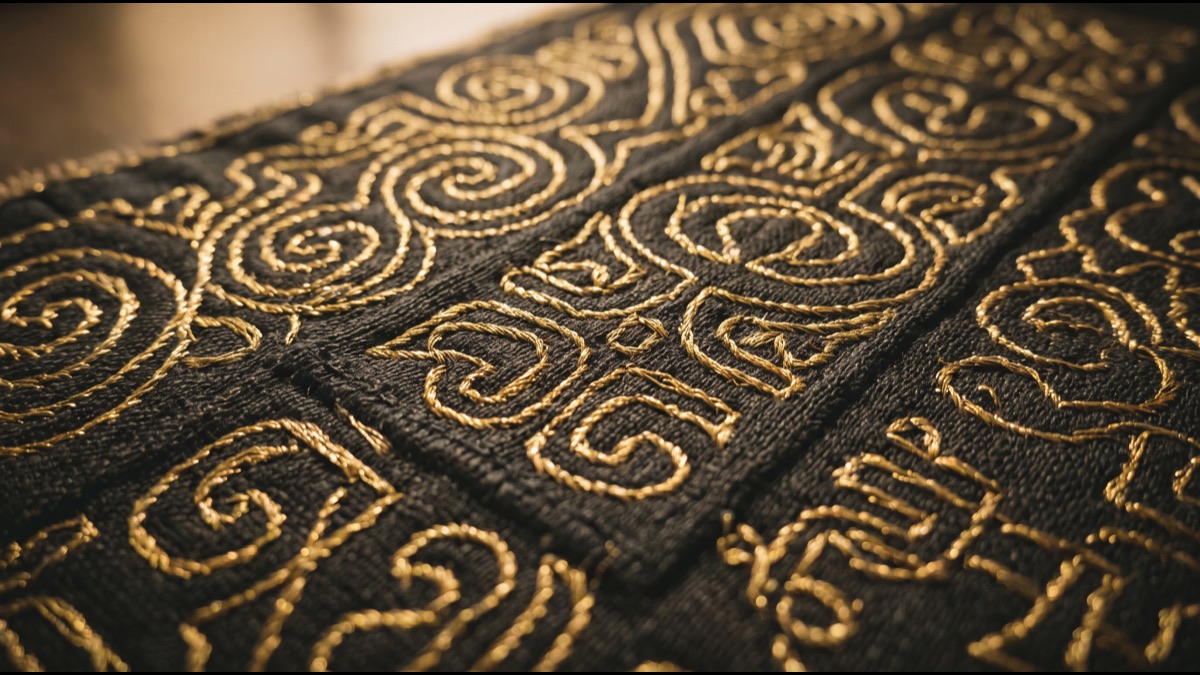
The Kiswah is the black silk cloth embroidered with gold Quranic calligraphy that covers the Kaaba in Mecca, replaced annually in a centuries-old tradition.
Today it is manufactured in a dedicated factory in Mecca under Saudi royal oversight, using roughly 670 kilograms of silk and over 100 kilograms of gold and silver thread.
How the Tradition Began
Covering the Kaaba predates Islam, with pre-Islamic Arabian tribes already draping it in various fabrics.
Historical accounts credit the Prophet Muhammad and, later, various caliphs and dynasties — Abbasid, Fatimid, Ottoman — with formalizing and funding the practice over the centuries, with the cloth's color and design changing under different rulers before black became the standard.
How It's Made and Replaced Today
Since 1927, production has been centralized in Mecca, today at the King Abdulaziz Complex for the Kiswah, where skilled craftsmen weave, dye, and hand-embroider the cloth over roughly eight to twelve months.
It is ceremonially replaced each year on the ninth day of Dhul Hijjah, coinciding with the Day of Arafah during Hajj, and the old Kiswah is traditionally cut into pieces, some gifted to dignitaries and Islamic institutions worldwide.
Sources
- Wikipedia — overview of the Kiswah and its history
- Saudi Press Agency — historical coverage of the Kiswah tradition
- Encyclopaedia Britannica — background on the Kaaba and its coverings
FAQ
What is the Kiswah made of?
Black silk fabric with Quranic verses and Islamic calligraphy embroidered using gold and silver thread, produced using hundreds of kilograms of raw silk and precious metal thread each year.
When is the Kiswah replaced?
Traditionally on the ninth day of Dhul Hijjah, the Day of Arafah, during the annual Hajj pilgrimage.
Who produces the Kiswah today?
It is manufactured at a dedicated complex in Mecca under Saudi Arabian government oversight, a centralized production system in place since 1927.
About the Author
We reference Wikipedia and the Saudi Press Agency and Encyclopaedia Britannica to explain the background and current understanding of this topic.
Loved This Article?
Share it on WhatsApp → Share it on WhatsApp
Get more guides in your inbox — Subscribe to our newsletter for weekly surprising stories from Egypt, Saudi Arabia, Dubai, and beyond.