Introduction
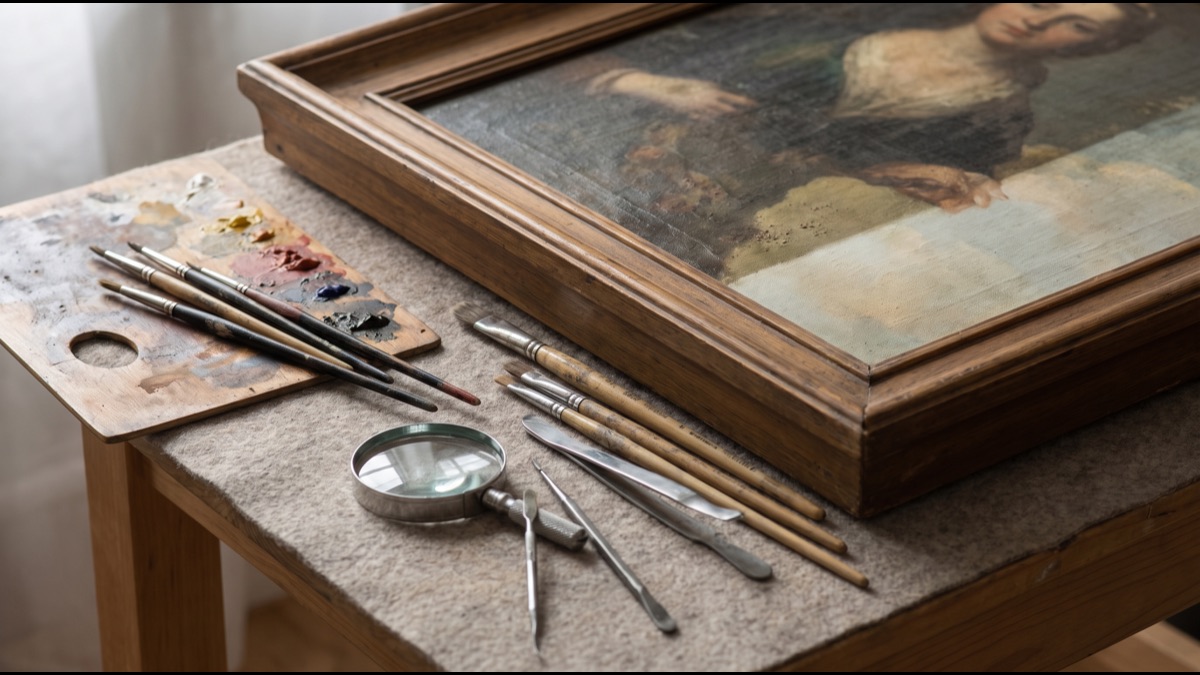
A painting hanging in a museum today has often survived centuries of grime, sunlight, humidity, and previous, sometimes clumsy, repairs. Art restoration is the specialized practice of stabilizing, cleaning, and repairing artworks so they survive for future generations without losing what makes them historically authentic.
The field sits at the intersection of chemistry, art history, and ethics. A conservator must understand pigments and varnish at a molecular level while also making judgment calls about how much of an artwork's history should be visible versus hidden.
Diagnosis Before Treatment
Before touching a single brushstroke, conservators examine a piece using ultraviolet light, infrared reflectography, and X-ray imaging to see beneath the visible surface — revealing earlier compositions the artist painted over, past repairs, and the exact chemical makeup of pigments and varnish layers.
This diagnostic stage can take longer than the physical restoration itself. Leonardo da Vinci's The Last Supper underwent 21 years of technical study and painstaking restoration completed in 1999, largely because centuries of overpainting had to be mapped and separated from Leonardo's original, deteriorating brushwork.
Cleaning, Repair, and Reversibility
Surface grime and yellowed varnish are removed using solvents carefully matched to dissolve only the unwanted layer without touching the original paint beneath — a process requiring extensive testing on small, inconspicuous areas first. Structural damage, such as torn canvas or flaking paint, is stabilized using materials designed to be as chemically inert as possible.
A core ethical principle guides nearly all modern restoration: reversibility. Any material a conservator adds — retouching paint, adhesive, or varnish — should ideally be removable by a future conservator without damaging the original work, since restoration standards and materials keep improving over time.
The Ethics of How Much to Restore
Restoration controversies often center on how much reconstruction is appropriate. Heavily damaged areas are sometimes filled in with neutral, visually distinct tones rather than an invented recreation of the missing original, so viewers can tell what is authentic and what was added centuries or decades later.
High-profile missteps, including botched amateur restorations of church frescoes that went viral for distorting the original imagery, have reinforced why professional conservators follow strict documentation standards, recording every intervention so it can be studied, reversed, or corrected by future experts.
Sources
- Getty Conservation Institute — professional standards and methods in art conservation
- Wikipedia — history and ethical principles of art restoration
- The Metropolitan Museum of Art — conservation and scientific research practices for artworks
FAQ
What is art restoration?
Art restoration is the professional process of cleaning, stabilizing, and repairing artworks damaged by age, environment, or past interventions, aiming to preserve the piece for future generations while respecting its historical authenticity.
How do conservators decide what to fix?
Conservators first diagnose the artwork using imaging techniques like UV light, X-rays, and infrared reflectography to understand its condition and history before deciding on a treatment plan, often prioritizing stabilization over aesthetic perfection.
What does "reversibility" mean in restoration?
Reversibility is the principle that any material added during restoration, such as retouching paint or varnish, should be removable by a future conservator without damaging the original artwork, since techniques and materials continue to improve.
Can restoration accidentally damage an artwork?
Yes. Poorly trained or amateur restoration attempts have permanently altered or damaged artworks, which is why professional conservators follow strict testing, documentation, and reversibility standards before any intervention.
About the Author
We reference Getty Conservation Institute standards and Metropolitan Museum of Art conservation research to explain professional art restoration methods and ethics.
Loved This Article?
Share it on WhatsApp → Share on WhatsApp
Get more guides in your inbox — Subscribe to our newsletter for weekly surprising stories from Egypt, Saudi Arabia, Dubai, and beyond.