Introduction
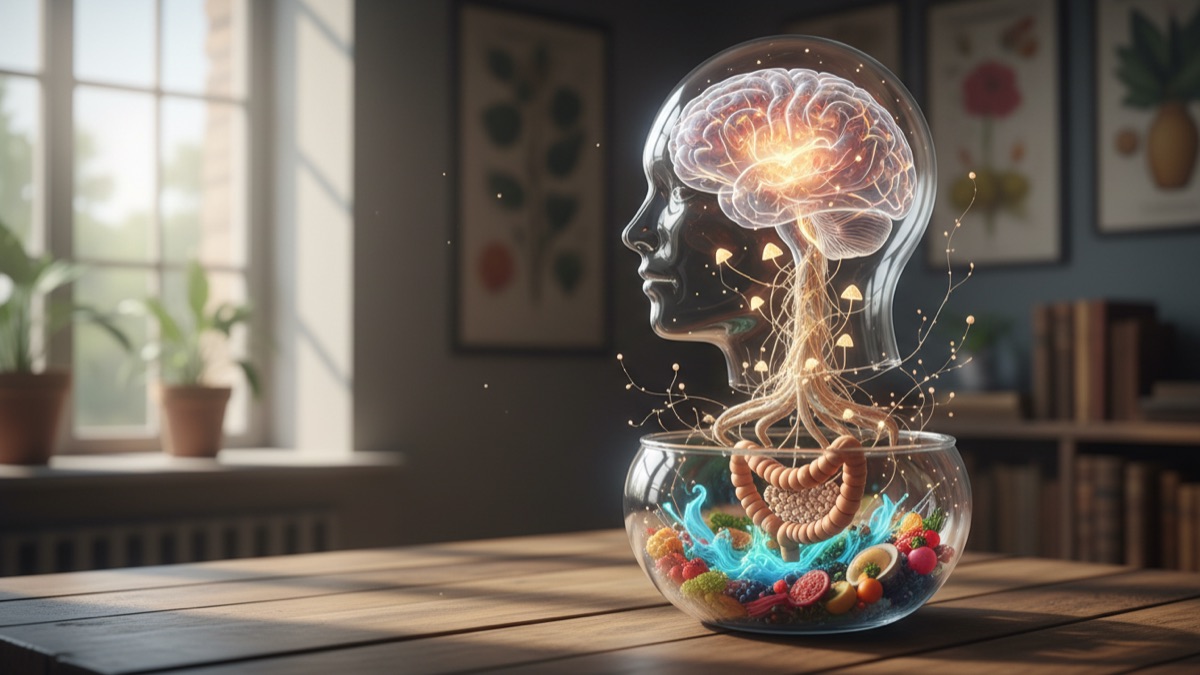
The gut-brain connection, more formally called the gut-brain axis, refers to the extensive, bidirectional communication network linking the gastrointestinal system and the central nervous system, involving direct neural connections, hormonal signaling, immune system pathways, and, increasingly recognized in recent research, the trillions of bacteria and other microorganisms comprising the gut microbiome.
This connection helps explain genuinely common everyday experiences many people intuitively recognize, like feeling 'butterflies' in the stomach during anxiety or nervousness, or experiencing genuine digestive upset during periods of significant stress, phenomena that reflect real, physiologically documented bidirectional communication rather than merely metaphorical or purely psychological description.
The Vagus Nerve: A Direct Physical Connection
The vagus nerve, the body's longest cranial nerve, provides a direct physical communication pathway between the gut and brain, carrying an estimated 80-90% of its nerve fibers' signals from the gut toward the brain, rather than the reverse direction many people initially assume, suggesting the gut sends substantially more information to the brain than the brain sends back to the gut.
This predominantly gut-to-brain signaling direction has led some researchers to describe the gut's extensive, complex network of neurons, sometimes called the enteric nervous system and containing more neurons than the entire spinal cord, as something of a 'second brain,' capable of considerable independent function even when disconnected from the central nervous system, though researchers emphasize this description shouldn't be taken to suggest genuine independent gut consciousness or cognition.
How Gut Bacteria Influence the Brain
Research has increasingly focused on how the trillions of bacteria comprising the gut microbiome specifically influence brain function and behavior, through several proposed mechanisms including microbial production of neurotransmitters and neurotransmitter precursors (notably, an estimated 90-95% of the body's serotonin, a neurotransmitter significantly involved in mood regulation, is actually produced in the gut rather than the brain), and microbial influence on immune system inflammation, which can subsequently affect brain function.
Animal studies, including research using specially bred 'germ-free' mice lacking any gut microbiome, have found that gut bacteria composition can measurably influence anxiety-like behavior, stress response, and even specific brain structure development, though researchers caution that translating these compelling animal findings directly to definitive claims about human psychology and mental health requires considerably more rigorous human clinical research before firm conclusions can be confidently drawn.
What This Means for Digestive and Mental Health
The documented gut-brain connection has genuine clinical relevance for understanding conditions that involve both digestive and psychological symptoms: irritable bowel syndrome (IBS), for example, shows a well-documented, bidirectional relationship with anxiety and depression, where psychological stress can trigger or worsen digestive symptoms, while chronic digestive distress can independently contribute to psychological distress, a genuinely reciprocal relationship rather than symptoms in only one direction.
This bidirectional understanding has directly influenced clinical treatment approaches: gut-directed psychological therapies, including certain forms of cognitive behavioral therapy and gut-directed hypnotherapy specifically targeting the gut-brain connection, have shown clinical effectiveness for managing IBS symptoms in controlled research trials, providing genuine evidence-based treatment options that work specifically through this documented physiological connection rather than addressing digestive or psychological symptoms as entirely separate, unrelated conditions.
Practical Implications and Current Research Limitations
While popular health and wellness media frequently makes strong claims about specific dietary interventions or probiotic supplements dramatically improving mood or mental health through gut microbiome manipulation, researchers generally caution that current human clinical evidence for these specific claims remains considerably more limited and preliminary than the compelling animal research and popular coverage might suggest, an important distinction between promising, genuinely active research directions and definitively established clinical treatment claims.
Current evidence-based recommendations generally focus on established general principles supporting both gut and overall health, including a varied, fiber-rich diet supporting healthy gut bacteria diversity, and managing chronic stress through established, evidence-based approaches, rather than currently well-supported claims about specific probiotic strains or supplements reliably treating diagnosed mental health conditions, an area of genuinely active and promising, but still meaningfully incomplete, ongoing scientific research.
Sources
- US National Institutes of Health — Research reference on the gut-brain axis and enteric nervous system
- Harvard Health Publishing — Clinical reference on the gut-brain connection and IBS treatment approaches
- Nature journal — Peer-reviewed neuroscience and microbiome research on gut-brain communication
FAQ
What is the gut-brain axis?
The gut-brain axis refers to the extensive, bidirectional communication network linking the gastrointestinal system and central nervous system, involving direct neural connections, hormonal signaling, immune pathways, and the gut microbiome.
What is the vagus nerve's role in the gut-brain connection?
The vagus nerve provides a direct physical communication pathway between gut and brain, carrying an estimated 80-90% of its signals from the gut toward the brain, suggesting the gut sends substantially more information to the brain than vice versa.
Where is most of the body's serotonin actually produced?
An estimated 90-95% of the body's serotonin, a neurotransmitter significantly involved in mood regulation, is actually produced in the gut rather than the brain, highlighting the gut's significant role in neurochemical production.
Does gut bacteria composition affect anxiety and mood?
Animal studies have found gut bacteria composition can measurably influence anxiety-like behavior and stress response, though researchers caution translating these findings directly to definitive human claims requires more rigorous clinical research.
Can probiotic supplements reliably treat mental health conditions?
Current human clinical evidence for probiotics dramatically improving mood or treating diagnosed mental health conditions remains considerably more limited and preliminary than popular coverage often suggests, despite promising animal research.
About the Author
doyouknow.app Editorial Team — We reference NIH, Harvard Health, and peer-reviewed neuroscience research to explain the gut-brain connection and its clinical relevance.
Loved This Article?
Share it on WhatsApp → Share on WhatsApp
Get more guides in your inbox — Subscribe to our newsletter for weekly surprising stories from Egypt, Saudi Arabia, Dubai, and beyond.