Introduction
Islamic Cairo refers to the historic medieval core of the city, founded in 969 CE by the Fatimid dynasty and developed over subsequent centuries under the Ayyubids, Mamluks, and Ottomans into one of the most architecturally dense concentrations of mosques, madrasas, and historic markets in the Islamic world. UNESCO recognized the district as a World Heritage Site in 1979, citing its exceptional and largely intact medieval urban fabric.
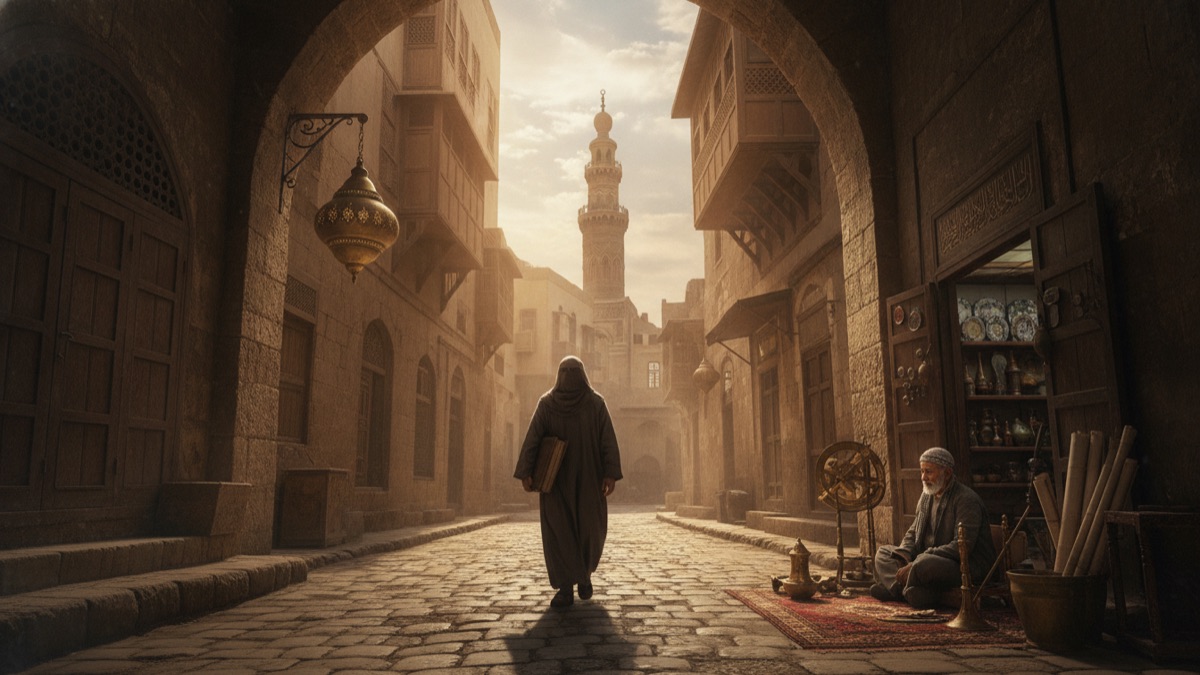
Unlike a single monument visit, exploring Islamic Cairo rewards time spent simply walking its narrow streets, where working mosques, centuries-old commercial buildings, and everyday neighborhood life exist alongside major historic sites rather than being cordoned off as a museum district.
Al-Muizz Street
Al-Muizz Street, the district's central pedestrian thoroughfare, is lined with an extraordinary concentration of historic monuments spanning several centuries within a single walkable route, including mosques, mausoleums, and elaborately decorated Mamluk-era buildings. The street has been substantially restored and pedestrianized in recent decades, making it considerably easier to explore on foot than in past years while retaining its dense historic character.
Walking the full length of al-Muizz Street, ideally in the late afternoon when the light softens and the heat eases, remains one of the most rewarding single activities in Cairo for visitors interested in Islamic architecture.
Key Mosques and Madrasas
The Sultan Hassan Mosque-Madrasa, completed in the 14th century, is widely considered one of the finest examples of Mamluk religious architecture in Egypt, notable for its massive scale and soaring central courtyard. The al-Azhar Mosque, founded alongside the city itself in 970 CE, remains both an active mosque and one of the oldest continuously operating universities in the world, still central to Sunni Islamic scholarship today.
The Ibn Tulun Mosque, dating to the 9th century, is Cairo's oldest mosque to survive in its original form, distinguished by its spiral minaret and vast, austere courtyard that differs noticeably from the more densely decorated later Mamluk-era structures.
Khan el-Khalili Bazaar
Khan el-Khalili, established in the 14th century, is one of the oldest and largest markets in the Middle East, a dense maze of narrow lanes selling everything from spices and jewelry to textiles and souvenirs, alongside long-established coffeehouses including the historic al-Fishawy café, in continuous operation for over 200 years. Bargaining is standard practice throughout the market, and prices for tourist-oriented goods are generally set with an expectation of negotiation.
Beyond shopping, the bazaar's surrounding streets hold numerous small, affordable restaurants and street food stalls, making it a practical place to combine sightseeing, shopping, and a meal in one visit.
Evening visits to Khan el-Khalili offer a noticeably different atmosphere than daytime, with the market's lanes illuminated and local shoppers outnumbering tourists once the heat of the day has passed, giving a more genuine sense of the bazaar as a functioning neighborhood market rather than a purely tourist destination.
The Citadel of Saladin
The Citadel of Saladin, built in the 12th century as a medieval fortress overlooking the city, now houses the 19th-century Muhammad Ali Mosque, built in an Ottoman style noticeably different from the older Mamluk mosques found elsewhere in Islamic Cairo, along with several other mosques and museums within its walls. Its elevated position offers sweeping views across Cairo's rooftops and minarets, making it a natural point to conclude a day of exploring the district on foot.
Sources
- Egyptian Ministry of Tourism and Antiquities — Official visiting information for Islamic Cairo's monuments
- UNESCO World Heritage Centre — Historic Cairo World Heritage listing
- Encyclopaedia Britannica — Cairo reference entry, including Islamic-era history
- Al-Azhar — Official information on al-Azhar Mosque and University
FAQ
What is Islamic Cairo?
Islamic Cairo refers to the historic medieval core of the city, founded in 969 CE by the Fatimid dynasty and developed over subsequent centuries into a dense concentration of mosques, madrasas, and historic markets, recognized as a UNESCO World Heritage Site in 1979.
What is the oldest mosque in Cairo?
The Ibn Tulun Mosque, dating to the 9th century, is Cairo's oldest mosque to survive in its original form, notable for its spiral minaret and large, relatively austere courtyard.
Is Khan el-Khalili a good place to buy souvenirs?
Yes, though bargaining is standard practice and expected for tourist-oriented goods. Established in the 14th century, it remains one of the oldest and largest markets in the Middle East, selling everything from spices and jewelry to textiles.
How long does it take to explore Islamic Cairo?
A focused visit covering al-Muizz Street, a few major mosques, and Khan el-Khalili can be done in a single day, though visitors with more time often find a second day worthwhile to explore at a slower pace and include the Citadel.
Is al-Azhar Mosque still an active place of worship?
Yes. Founded in 970 CE alongside the city itself, al-Azhar remains both an active mosque and one of the oldest continuously operating universities in the world, still central to Sunni Islamic scholarship today.
About the Author
doyouknow.app Editorial Team — We combine UNESCO documentation and architectural history sources to present Islamic Cairo's monuments and living urban character accurately.
Loved This Article?
Share it on WhatsApp → Share on WhatsApp
Get more guides in your inbox — Subscribe to our newsletter for weekly surprising stories from Egypt, Saudi Arabia, Dubai, and beyond.