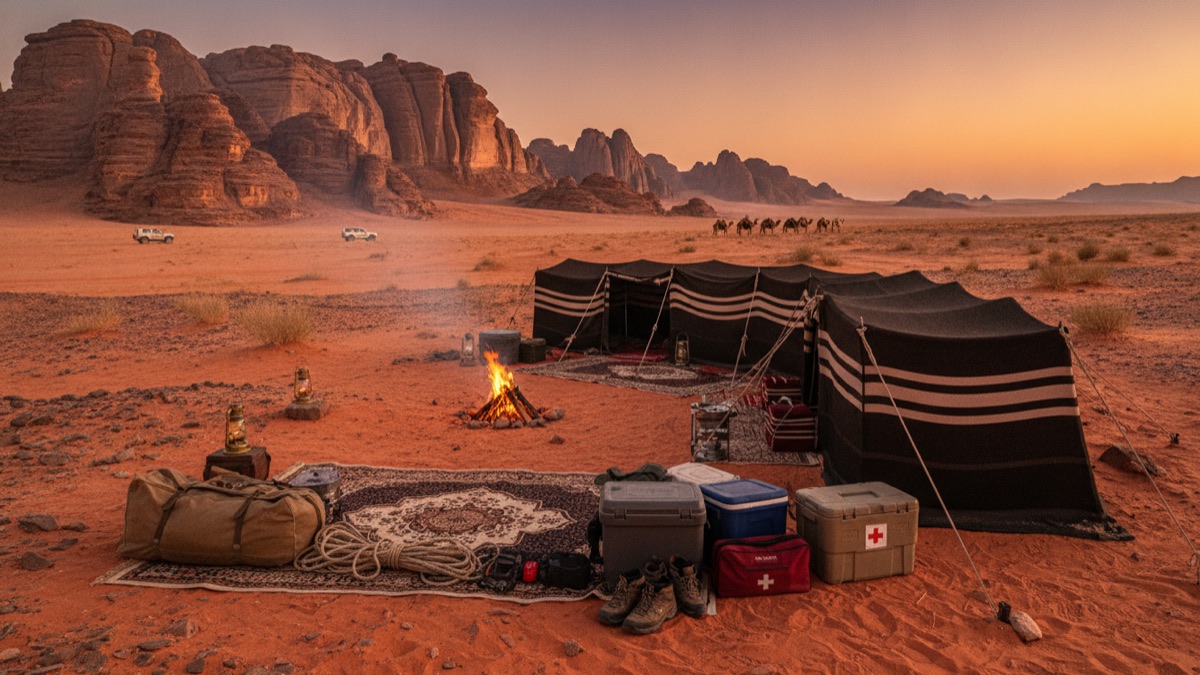
Why Camp in the Saudi Desert?
Saudi Arabia is home to some of the most spectacular desert landscapes on Earth. From the endless dunes of the Rub' al Khali to the dramatic cliffs of the Tuwaiq Escarpment, the Kingdom offers desert camping experiences that rival any destination worldwide. What makes Saudi desert camping truly special is the combination of pristine wilderness, deep cultural roots, and rapidly improving accessibility.
The desert has shaped Saudi identity for millennia. Bedouin tribes roamed these sands for generations, developing sophisticated navigation techniques, survival skills, and hospitality traditions that continue to influence Saudi culture today. Camping in the Saudi desert is not merely an outdoor activity; it is an immersion into the heart of Arabian heritage.
Since the launch of tourist visas in 2019 and the expansion of domestic tourism under Vision 2030, desert camping has exploded in popularity among both locals and international visitors. Organized camps, rental equipment services, and guided expeditions have made the experience safer and more comfortable than ever before. Whether you seek the solitude of the Empty Quarter or the accessible beauty of Thumamah, this guide covers everything you need to know.
Best Desert Camping Locations
Saudi Arabia's diverse geography means that "desert camping" encompasses a wide range of environments. Here are the top destinations for every type of camper.
The Empty Quarter (Rub' al Khali) — The world's largest continuous sand desert, stretching across the southern third of Saudi Arabia and into Oman, the UAE, and Yemen. The dunes here reach heights of 250 meters, creating an otherworldly landscape of undulating orange and red sand. Multi-day expeditions with experienced guides are essential; solo travel in the Empty Quarter is extremely dangerous. The silence and scale of this desert are profound. At night, the absence of light pollution reveals stars invisible from populated areas. Several tour operators based in Riyadh and the Eastern Province offer organized camping trips ranging from overnight excursions to week-long adventures.
Thumamah National Park — Located approximately 100 kilometers north of Riyadh, Thumamah offers the most accessible desert camping experience in the Kingdom. The park features a mix of red sand dunes, acacia groves, and rocky outcrops. It is particularly popular among Riyadh residents for weekend camping. The area requires a 4x4 vehicle for the best spots but is navigable without extreme off-road experience. Thumamah is ideal for families and first-time desert campers who want an authentic experience without the logistical complexity of remote expeditions.
Edge of the World (Jebel Fihrayn) — Technically part of the Tuwaiq Escarpment, this dramatic cliff formation offers one of Saudi Arabia's most iconic views. The cliffs drop 300 meters to the valley floor below, creating a panorama that justifies the name. While many visitors come for day trips, camping overnight at the Edge of the World provides an unforgettable sunrise experience. The cooler temperatures at elevation make it more comfortable than lowland desert camping during transitional seasons. A four-wheel-drive vehicle is essential for the final approach.
AlUla Desert — The desert surrounding AlUla combines dramatic sandstone formations with archaeological significance. Camping near the ancient Nabataean tombs of Hegra, under a canopy of stars, is a spiritual experience. The AlUla region has developed luxury glamping options, but independent camping is also possible in designated areas. The unique rock formations, including the famous Elephant Rock, create natural landmarks that make navigation straightforward.
The Red Sand Dunes Near Riyadh — Also known as the "Red Sand" or "Dahna Desert," this area offers accessible dune camping within two hours of the capital. The distinctive red color of the sand creates spectacular photo opportunities, particularly at sunrise and sunset. This area is popular with quad biking and dune bashing enthusiasts, so it can be noisy on weekends. For a quieter experience, visit on weekdays or venture further from the main access points.
Best Seasons for Desert Camping
Timing is everything when planning a desert camping trip in Saudi Arabia. The climate varies dramatically by season and location.
October to March — This is the optimal period for desert camping across most of Saudi Arabia. Daytime temperatures range from 20°C to 30°C in the central and northern regions, dropping to 5-15°C at night. The Empty Quarter is at its most accessible during this period, though nights can be surprisingly cold. Bring warm sleeping gear. The winter months also bring occasional rainfall, which can transform desert landscapes with temporary vegetation and wildflowers.
April and May — Shoulder season with rising temperatures. Daytime highs can reach 35°C, and the interior desert regions become increasingly uncomfortable. Early mornings and evenings remain pleasant. This is the last viable window for camping in lowland desert areas before summer heat makes it dangerous.
June to September — Summer camping in the Saudi desert is not recommended for inexperienced campers. Temperatures regularly exceed 45°C, and the sand surface can reach 70°C. Heatstroke is a serious risk. However, the mountainous regions of Asir and Taif offer cooler alternatives, with temperatures 10-15°C lower than the lowlands. High-altitude desert camping in these areas is viable year-round.
Ramadan Considerations — During the holy month of Ramadan, which shifts according to the lunar calendar, the rhythm of daily life changes. If camping during Ramadan, be respectful of fasting customs and avoid eating or drinking in public during daylight hours in populated areas. Evening iftar meals in desert camps can be culturally enriching experiences.
Essential Camping Equipment
Proper equipment can make the difference between a memorable adventure and a miserable experience. Here is what you need for Saudi desert camping.
Shelter — A high-quality four-season tent is essential. Desert winds can be fierce, and sand gets everywhere. Look for tents with robust guy-out points, full mesh inner tents for ventilation, and durable footprints. Groundsheets are crucial; the sand may look soft, but rocky patches and thorny vegetation can damage tent floors. Many experienced campers prefer rooftop tents mounted on 4x4 vehicles for convenience and security.
Sleeping Gear — Desert nights can be surprisingly cold, even when days are hot. Bring sleeping bags rated for at least 5°C comfort temperature. Insulated sleeping pads provide essential ground insulation. In summer, lightweight sleeping bags or even sleeping under the stars with a mosquito net may be preferable.
Water and Hydration — This is the most critical consideration. Plan for at least 5-6 liters of water per person per day in moderate temperatures, and up to 10 liters in summer. Water is heavy, so plan your vehicle capacity accordingly. Portable water containers, hydration bladders, and electrolyte supplements are essential. Never rely on finding water in the desert.
Navigation and Communication — GPS devices, satellite phones or communicators (like Garmin inReach), and physical maps are essential for remote areas. Mobile phone coverage is non-existent in large parts of the Empty Quarter and other remote deserts. Always inform someone of your planned route and expected return time.
Food and Cooking — Portable camping stoves, lightweight cookware, and non-perishable food items. Fresh food should be consumed in the first day or kept in a quality cooler. Freeze-dried meals are popular for multi-day trips. Remember that cooking in the desert requires more fuel than at sea level due to wind and altitude.
Sun Protection — Wide-brimmed hats, UV-protective clothing, high-SPF sunscreen, and quality sunglasses are non-negotiable. The desert sun is unforgiving, and sunburn can occur rapidly. Lip balm with SPF protection is often overlooked but essential.
Recovery Equipment — For vehicle-based camping, bring sand tracks, a shovel, a tire deflator, an air compressor, tow straps, and a jack. Getting stuck in soft sand is common, even for experienced drivers. A satellite phone or emergency beacon is essential for remote areas.
Safety Guidelines
Desert environments demand respect and preparation. These safety guidelines could save your life.
Never Travel Alone in Remote Areas — The Empty Quarter and other remote deserts should only be attempted with experienced guides or in organized groups. Mechanical breakdowns, medical emergencies, and navigation errors can become life-threatening when you are hundreds of kilometers from help.
Hydration Protocol — Drink water regularly, even if you do not feel thirsty. By the time thirst sets in, dehydration has already begun. Avoid alcohol and excessive caffeine, which accelerate fluid loss. Monitor urine color as a hydration indicator; it should be pale yellow.
Heat Illness Recognition — Learn the symptoms of heat exhaustion (heavy sweating, weakness, nausea, headache) and heatstroke (high body temperature, confusion, loss of consciousness). Heatstroke is a medical emergency requiring immediate cooling and evacuation.
Vehicle Preparation — Ensure your vehicle is in excellent mechanical condition. Carry spare tires, extra fuel, coolant, and engine oil. Four-wheel-drive with high ground clearance is mandatory for dune camping. Inform yourself about local driving conditions and terrain.
Wildlife Awareness — While large predators are rare, snakes, scorpions, and spiders inhabit Saudi deserts. Shake out shoes and bedding before use. Wear closed-toe shoes at all times. Learn to identify venomous species and carry a first aid kit with antivenom if traveling to remote areas.
Permits and Regulations
Understanding the regulatory framework for desert camping in Saudi Arabia ensures a hassle-free experience.
Thumamah National Park — Entry permits are required and can be obtained through the Saudi National Parks website or at the park entrance. Fees are minimal. Camping is permitted only in designated areas. Fires may be restricted during dry periods. Follow all posted regulations regarding waste disposal and wildlife protection.
Empty Quarter Expeditions — Organized tours handle permits and logistics. Independent travel in the Rub' al Khali requires coordination with local authorities and may involve military clearance in border regions. Contact the Saudi Wildlife Authority for current requirements.
AlUla Region — The AlUla area is managed by the Royal Commission for AlUla. Camping in archaeological zones is strictly prohibited. Designated camping areas are available, and luxury camps operate under concession agreements. Check current regulations before visiting, as the area is undergoing rapid development.
General Principles — Always carry identification and vehicle registration. Respect private property and tribal lands. Do not camp near military installations, oil facilities, or border zones. Drones require permits from the General Authority of Civil Aviation.
Stargazing in the Desert
One of the most magical aspects of Saudi desert camping is the night sky. Away from urban light pollution, the desert reveals a celestial display that few modern travelers have experienced.
The Empty Quarter and remote areas of the Northern Borders Province offer Bortle Class 1 skies — the darkest possible rating. Under these conditions, the Milky Way appears as a bright river of light arching overhead. The Andromeda Galaxy is visible to the naked eye, and meteor showers become spectacular events.
The winter months offer the clearest skies and most comfortable nighttime temperatures. Orion dominates the winter sky, while summer brings the galactic center into view. Bring binoculars or a portable telescope for enhanced viewing. Photography enthusiasts should bring tripods and cameras capable of long exposures.
Several tour operators now offer specialized astronomy camping experiences, combining Bedouin-style accommodation with guided stargazing sessions. The AlUla region has invested in dark sky preservation, making it one of the best stargazing destinations in the Middle East.
Bedouin Culture and Hospitality
Desert camping in Saudi Arabia offers a unique opportunity to connect with Bedouin culture, the nomadic heritage that shaped Arabian civilization.
Traditional Bedouin camps feature low seating around a central fire, Arabic coffee (qahwa) served in small cups, and dates offered as a gesture of welcome. The coffee is deliberately lightly roasted and flavored with cardamom, traditionally prepared in a dallah (long-spouted pot). Accepting at least one cup is considered polite; three cups is the traditional maximum.
The concept of "diyafa" (hospitality) is sacred in Bedouin culture. A guest is treated with the highest respect, and turning away a traveler in need is considered shameful. This tradition persists in modern Saudi society, where hospitality remains a defining cultural trait.
Many organized camping experiences include cultural elements: traditional meals prepared in underground ovens, storytelling sessions, falconry demonstrations, and camel rides. These activities provide context and depth that transform camping from a simple outdoor activity into a cultural immersion.
When visiting Bedouin communities or camps, dress modestly and ask permission before photographing people. Women travelers should be aware that gender norms in traditional communities may differ from urban Saudi Arabia. A respectful and open attitude is always appreciated.
Glamping Options
For those who want the desert experience without sacrificing comfort, Saudi Arabia's glamping scene is rapidly expanding.
AlUla Luxury Camps — The AlUla region leads Saudi glamping with several high-end options. Tents feature air conditioning, en-suite bathrooms, king-sized beds, and private decks. The Habus AlUla and Sahary AlUla resorts offer five-star desert experiences with gourmet dining and spa services. Prices are comparable to luxury hotels in Riyadh or Jeddah.
The Red Sea Project — This massive tourism development includes eco-friendly island resorts that blend luxury with environmental conservation. While not traditional desert camping, the coastal desert environment offers a unique alternative. The project emphasizes sustainability, with strict limits on construction density.
Riyadh Desert Resorts — Within two hours of the capital, several operators offer luxury tent accommodations with modern amenities. These are popular for weekend getaways and corporate retreats. The combination of desert scenery and comfortable facilities appeals to families and international visitors.
NEOM — The futuristic city project in northwestern Saudi Arabia includes plans for sustainable tourism experiences. While full development is ongoing, early-phase glamping and adventure tourism options are beginning to emerge in the region.
Sources
- Visit Saudi Official Tourism Portal — Official tourism information and destination guides
- Saudi Ministry of Environment, Water and Agriculture — National park regulations and permits
- Royal Commission for AlUla — AlUla tourism and conservation information
- Saudi Vision 2030 — Tourism development and infrastructure plans
- Experience AlUla — Official destination guide for AlUla tourism
FAQ
Is desert camping safe in Saudi Arabia?
Desert camping is safe when properly planned. Stick to accessible areas like Thumamah for first trips, use experienced guides for remote locations like the Empty Quarter, carry adequate water and navigation equipment, and never travel alone in remote desert areas.
Do I need permits for desert camping?
Permits are required for national parks like Thumamah and for certain protected areas. Organized tours typically handle permits. For independent camping in remote areas, check with local authorities. Always carry identification and vehicle registration.
What is the best time for desert camping in Saudi Arabia?
October to March offers the best conditions, with daytime temperatures of 20-30°C and cool nights. Avoid June to September when temperatures exceed 45°C. Mountain regions like Asir are exceptions and can be camped year-round.
How much water should I bring?
Plan for 5-6 liters per person per day in moderate temperatures, and up to 10 liters in summer. This includes water for drinking, cooking, and basic hygiene. Never rely on finding water in the desert.
Can women go desert camping in Saudi Arabia?
Yes. Women can camp independently or in groups. Mixed-gender camping is acceptable in most public camping areas. In more traditional regions, modest dress is appreciated. Organized tours are a good option for women traveling alone.
What vehicle do I need?
A four-wheel-drive with high ground clearance is essential for dune camping and remote areas. For accessible spots like Thumamah, a standard SUV may suffice. Always carry recovery equipment including sand tracks, a shovel, and tow straps.
Where is the best stargazing?
The Empty Quarter and Northern Borders Province offer the darkest skies. AlUla is investing in dark sky preservation and offers guided astronomy experiences. Winter months provide the clearest conditions and most comfortable nighttime temperatures.
How much does glamping cost?
Luxury glamping in AlUla ranges from 1,500 to 5,000 SAR per night depending on the season and amenities. Mid-range desert camps near Riyadh start from 500 SAR per night. Budget independent camping costs only equipment and fuel.
About the Author
doyouknow.app AI-assisted Editorial Workflow — This article was prepared with AI-assisted research and editing, using the sources listed on the page. It is not based on firsthand testing, on-the-ground reporting, or a claim of personal experience or professional credentials. Please check official sources for current details.
Loved This Article?
Share it on WhatsApp → Share on WhatsApp
Get more travel guides in your inbox — Subscribe to our newsletter for weekly surprising stories from Saudi Arabia, Dubai, and beyond.